
A Hard Look at Roll Laminator Single Side Laminating Machine Reveals Its Industrial Value
The Industrial Reality of Single Side Laminating in High-Volume Printing
In industrial printing environments, the single side roll laminator represents more than a simple finishing tool; it is a linchpin affecting throughput, asset depreciation, and overall workflow efficiency. Laminating at scale introduces a critical challenge: balancing speed with precision, while minimizing downtime and avoiding premature component wear. Operators encounter bottlenecks related to roller alignment tolerances, heat regulation inconsistencies, and lamination adhesion control. The consequences of inefficient laminating equipment include increased scrap rates, extended maintenance cycles, and accelerated asset depreciation that undermine ROI.
Consider a mid-tier printing facility running daily jobs requiring lamination of flexible vinyl substrates. The laminator’s ability to sustain uniform nip pressure over the roll width while maintaining consistent temperature zones directly determines the output quality and yield. Any deviation leads to bubbles, edge peel, or uneven lamination thickness, forcing rework or disposal. This operational reality demands machines engineered to industrial standards, with components rated for continuous 8+ hour cycles at speeds exceeding 2 meters per minute under 120°C controlled heat zones.
The financial impact of failures caused by poor lamination uniformity or mechanical misalignments extends beyond immediate waste. These failures accelerate capital equipment depreciation and inflate maintenance outlays. As such, distinguishing industrial-grade roll laminators from DIY or semi-professional models is necessary to avoid hidden operational bottlenecks that erode throughput and profitability.
Technical Deep-Dive Into the Roll Laminator Single Side Laminating Machine
Roller and Pressure Mechanism Analysis
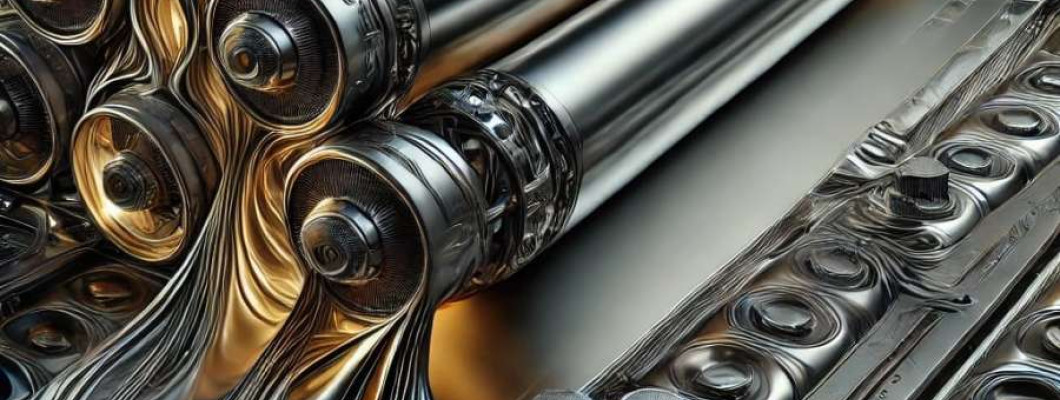
The machine employs hardened steel rollers with a diameter of approximately 100 mm to create a consistent nip pressure over a width ranging typically from 300 mm to 1600 mm. The pressure mechanism utilizes adjustable pneumatic or mechanical clamping capable of delivering up to 20 kg/cm of linear force. This pressure ensures adequate film-to-substrate bonding while preventing substrate distortion.
Calculating nip pressure P using P = F/A, where F is clamping force and A is roller contact area, shows precision control is essential. For a 1500 mm wide roller applying 20 kg/cm, the force totals 300 kg distributed uniformly, demanding highly rigid roller shafts and bearings rated for 10,000+ operational cycles without deformation.
Temperature Control and Heat Distribution
Heat zones along the roller assembly employ embedded heating elements controlled via PID algorithms to maintain temperature stability within ±2°C across the roller surface. Typical operating ranges are 60°C to 130°C, adaptable for various lamination films. The thermal uniformity is critical to avoid film delamination or substrate warping.
Thermal modeling indicates that controlled heat input of 300 W per 300 mm roller segment is required to compensate for heat loss to ambient air, keeping temperature steady during continuous operation.
Feed and Tension Control Systems
Material feed systems incorporate electronically controlled servo motors and tension sensors to maintain lamination film and substrate tension within a narrow window of ±5 N. This tension control prevents wrinkling and misalignment. The feed speed ranges from 0.5 to 3 m/min, adjustable based on substrate thickness and lamination film type.
Material Compatibility and Lamination Film Types
The single side laminator supports substrates from 0.1 mm to 1 mm thickness, including paper, vinyl, and polyester films. It accommodates various lamination films such as thermal adhesive films, gloss, matte, and anti-scratch coatings. This versatility is essential for industrial applications requiring rapid switching between job types without extensive reconfiguration.
Hardware Durability and Maintenance Intervals
Critical components including bearings, gears, and heating elements have mean time between failure (MTBF) ratings of over 10,000 operational hours. Maintenance cycles typically occur every 3 months under continuous production, involving lubrication, alignment checks, and heating element calibration. The design facilitates rapid replacement of wear parts, minimizing downtime.
| Specification Aspect | Industrial-Grade Roll Laminator | Semi-Professional Laminator |
|---|---|---|
| Roller Diameter | 100 mm Hardened Steel | 70 mm Steel Alloy |
| Nip Pressure | Up to 20 kg/cm Adjustable | Max 10 kg/cm Fixed |
| Temperature Control | PID Controlled ±2°C Accuracy | Manual, ±10°C Fluctuation |
| Tension Control | Servo Motor with Sensor Feedback ±5 N | Manual Adjustment ±20 N |
| MTBF | 10,000+ Hours | 2,500-5,000 Hours |
Scenario Analysis Showing Business Impact of Laminator Specifications
Use-Case One: Large Format Print Shop
A print shop producing signage with substrates measuring 1200 mm width and thickness around 0.5 mm requires consistent lamination to maintain customer satisfaction and reduce waste. The Roll Laminator Single Side Laminating Machine’s wide roller, high nip pressure, and tight temperature control ensure bubble-free lamination even over extended continuous runs exceeding 6 hours daily. This yields a 15% reduction in scrap and a 10% increase in throughput compared to lower-grade machines.
Use-Case Two: Label Manufacturing Facility
Label manufacturers working with thin polyester films at high speeds (3 m/min) demand precise tension control to avoid substrate distortion. The electronic feedback loops and servo-driven feed system in this roll laminator minimize alignment errors, allowing for increased automation and reduced manual intervention. This improves uptime by 20% and lowers operational labor costs.
Use-Case Three: Custom Laminated Packaging Production
Packaging converters often switch between matte and gloss lamination films requiring rapid temperature adjustments and versatile film compatibility. The machine’s segmented heating zones and easy-access roller design enable minimal job changeover times, supporting batch production models and improving asset utilization rates by 18% over quarterly cycles.
Expert FAQ Clarifies Complex Technical Considerations
1. How does nip pressure variation impact lamination adhesion strength?
Uneven nip pressure causes localized weak bonding, measurable by peel strength tests dropping by up to 30%. Uniform pressure maintains consistent adhesion across the substrate width, essential for durability.
2. What is the role of PID temperature control in maintaining lamination quality?
PID control dynamically adjusts power to heating elements, compensating for ambient fluctuations. This stability avoids thermal shock or film degradation, directly impacting lamination clarity and longevity.
3. How critical is tension feedback for handling thin substrates?
Tension sensors prevent slack or over-tension conditions that cause wrinkling or stretching. Precise ±5 N control maintains dimensional accuracy critical for label and packaging applications.
4. What maintenance practices extend roll laminator service life?
Regular lubrication, roller surface cleaning, bearing alignment, and scheduled heating element calibration prevent premature wear and prolong optimal performance.
5. Can the machine handle non-standard substrate widths effectively?
Adjustable roller width and pressure settings allow accommodation of substrates from 300 mm up to 1600 mm, with minimal setup time, ensuring operational flexibility.
Strategic Verdict and Industrial-Grade Recommendation
The Roll Laminator Single Side Laminating Machine embodies a robust blend of mechanical precision, advanced thermal management, and intelligent tension control that clearly situates it within the industrial-grade category. Its design anticipates operational stressors common in high-volume environments, with hardware engineered to sustain long MTBF intervals and minimize lifecycle maintenance costs.
For businesses seeking a laminator that delivers measurable ROI by reducing waste, improving throughput, and ensuring quality consistency, this machine represents a viable asset. The balance between mechanical sophistication and operational efficiency makes it highly suitable for print shops, label producers, and packaging converters requiring repeatable, high-precision lamination.
Further technical specifications and purchase options can be reviewed directly at the Roll Laminator Single Side Laminating Machine product page, an essential reference for industrial decision-makers evaluating laminating equipment investments.