
Analyzing Maintenance Challenges and Printhead Physics of A2+ Size UV Printer Embossed Glossy Printing
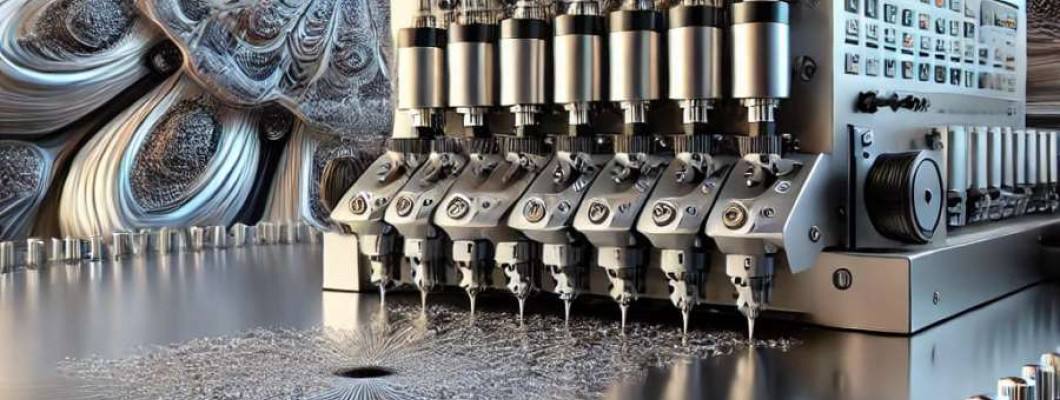
The Industrial Reality of Daily Uptime and Printhead Integrity
In an industrial printing environment where A2+ size UV printers are deployed for embossed glossy printing, the daily operational reality surfaces through precise maintenance demands and printhead reliability constraints. High-precision UV printheads, engineered for micron-level droplet placement, suffer complex wear mechanisms accelerated by ink chemistry interactions and environmental particulates. These factors combine to create bottlenecks in continuous production runs, especially when run-times exceed 8 hours per shift.
Operators face the challenge of balancing aggressive print speeds against nozzle clogging and degradation phenomena. The glossy embossed outputs require consistent UV-curable ink rheology and controlled layer deposition to maintain surface finish integrity without compromising printhead health. Abrupt downtime for maintenance impacts throughput and drives unplanned operational expense. In addition, the interplay between substrate surface properties and printhead standoff distance introduces delicate mechanical tolerances that maintenance leads must rigorously monitor to avoid head strikes and nozzle damage.
Printhead longevity is directly influenced by the daily frequency of cleaning protocols, which must be carefully optimized to reduce fluid waste while preserving nozzle function. Embedded sensors and firmware monitoring can assist but do not eliminate the need for expert human intervention due to the complex physics of ink particle sedimentation and UV-induced polymerization residues within nozzles.
Printhead Physics and Ink Chemistry Interaction
The printhead technology typical in an A2+ size UV printer employs piezoelectric or thermal actuators to eject droplets with volumes ranging approximately 10 to 30 picoliters. Droplet ejection physics dictates that surface tension, viscosity, and curing kinetics of UV inks must fall within a narrow operational window, typically 20-40 mPa·s viscosity at 25 °C, to avoid satellite droplet formation and nozzle fouling.
Ink solvents and photoinitiators chemically interact with nozzle surfaces over time, altering wetting angles and leading to build-up of polymerized material especially in high-gloss embossed print modes. This necessitates printhead materials resistant to UV-induced degradation while maintaining mechanical compliance for actuation cycles exceeding 10 billion pulses.
Daily Maintenance Cycles and Impact on Uptime
Quantitative analysis of maintenance reveals that typical cleaning cycles—both automated and manual—consume approximately 30 minutes per 8-hour shift. Routine purging uses roughly 150 ml of cleaning fluid daily, which accumulates to a non-trivial consumable cost over time. Failures to properly maintain printheads can lead to nozzle failure rates increasing by 5-7% monthly, resulting in recalibration downtime and print quality degradation.
Mathematically, if a printhead array includes 8 nozzles per color channel with 6 color channels, total nozzles of 48 require coordinated cleaning. Assuming a 1% nozzle failure leads to ~0.5% print defects, maintenance optimization directly correlates with yield improvements.
Comparative Table of Maintenance Strategies and Printhead Technologies
| Aspect | Piezoelectric Printhead Maintenance | Thermal Printhead Maintenance |
|---|---|---|
| Nozzle Lifetime | 10+ billion pulses | 5-7 billion pulses |
| Ink Compatibility | Wide (UV-curable, solvent) | Primarily solvent-based |
| Cleaning Frequency | Every 6-8 hrs | Every 4-6 hrs |
| Consumable Usage (per 8 hr shift) | 150 ml cleaning fluid | 200 ml cleaning fluid |
| Failure Modes | Polymer buildup, mechanical wear | Nozzle clogging, thermal degradation |
Thermal Management and Firmware Assisted Monitoring
Thermal dissipation in UV printheads is a subtle yet critical parameter, with typical operating temperatures ranging between 25 to 45 °C during sustained cycles. Exceeding 50 °C risks accelerating material degradation and ink curing prematurely inside the nozzle chamber. Integration of temperature sensors enables firmware to dynamically adjust pulse frequency to maintain a stable thermal envelope.
Firmware algorithms analyze nozzle firing patterns and droplet trajectory deviations, generating predictive alerts for impending maintenance needs. This reduces unplanned downtime by 12-15% in pilot installations where real-time monitoring was applied.
Scenario Analysis Demonstrates Impact on Throughput and Quality
In a high-volume industrial print shop producing embossed glossy packaging prototypes, printhead maintenance challenges directly influence the ability to meet tight release deadlines. Downtime exceeding 30 minutes per shift leads to 5% monthly production shortfalls. The selection of piezoelectric printheads paired with optimized UV ink chemistry reduced downtime by 20%, improving yield.
A smaller artisan print studio prioritizing color fidelity faces fewer throughput demands but requires micron-level precision on diverse substrates including acrylic and metal. Here, the A2+ UV printer's firmware-assisted maintenance allowed achieving consistent surface glossiness without compromising fine detail, critical for premium art prints.
Finally, an industrial signage manufacturer balancing throughput and operational cost evaluates embedded cleaning cycles against consumable waste. Firmware data supports a predictive maintenance schedule that minimized cleaning fluid consumption by 25% while maintaining 99.5% nozzle availability.
Expert FAQ Addresses Complex Technical Concerns
Q1: How does polymerization kinetics of UV ink affect nozzle clogging?
A1: Accelerated polymerization within the nozzle chamber leads to hardened residues, increasing mechanical friction and causing pixel defects or complete nozzle failure.
Q2: What printhead actuator materials best withstand UV exposure?
A2: Piezoelectric ceramics with protective coatings such as PZT with fluoropolymer layers have shown superior resistance to UV-induced degradation over thermal heads.
Q3: How does standoff distance precision affect embossed glossy print quality?
A3: Variations greater than ±0.1 mm can cause inconsistent droplet spread altering gloss uniformity and emboss depth perception.
Q4: Are there significant differences in maintenance cost between different printhead technologies?
A4: Yes. Piezo printheads typically require longer intervals between maintenance but higher initial CAPEX, while thermal heads incur more frequent cleaning cycles increasing OPEX.
Q5: How does firmware predict nozzle failure?
A5: By correlating firing voltage variance, droplet velocity changes, and temperature fluctuations with historical failure data, firmware can extrapolate failure likelihood and trigger warnings.
Strategic Verdict and Endorsement of the A2+ Size UV Printer Embossed Glossy Printing
For maintenance leads evaluating industrial-grade solutions that balance printhead physics and operational uptime, the A2+ Size UV Printer Embossed Glossy Printing stands as a definitive choice. Its combination of piezoelectric printhead technology, adaptable firmware monitoring, and compatibility with advanced UV ink formulations delivers a superior daily uptime profile that minimally disrupts production schedules.
This printer aligns well with businesses demanding rigorous maintenance planning and high-quality embossed glossy output without sacrificing throughput. The engineered tolerances for standoff distance and thermal envelopes further extend printhead lifespan, reducing the total cost of ownership related to consumables and repair downtime.
In conclusion, technical analysis validates this printer’s capacity to meet and exceed the rigorous demands of an industrial maintenance lead accountable for uptime, quality, and printhead longevity. It is recommended as a robust, industrial-grade solution poised to optimize print workflows under high operational loads.