
Analyzing Operational Bottlenecks in the Use of the 40*60CM Heat Press Machine
The Industrial Reality
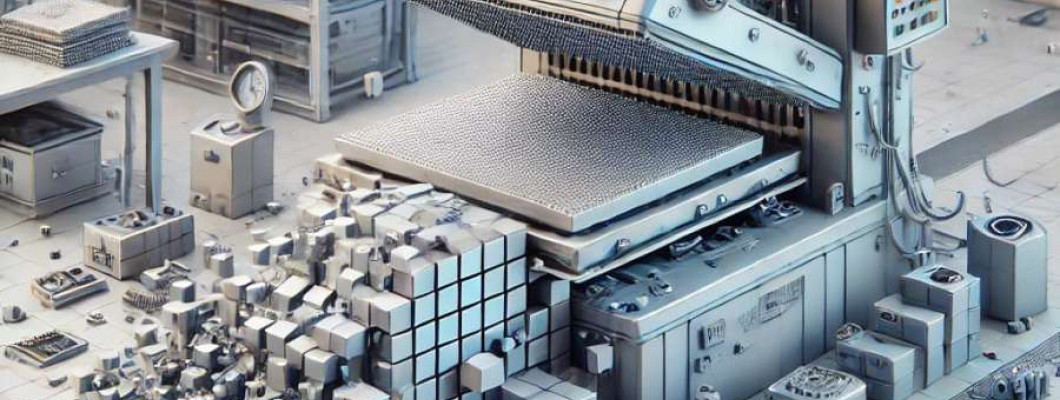
In the realm of industrial printing, the 40*60CM Heat Press Machine stands as a pivotal tool for high-volume production environments. Businesses seeking to scale their operations face inherent challenges, particularly concerning operational inefficiencies and bottlenecks. While this machine promises robust functionality and precision, understanding its integration into existing workflows remains essential for maximizing productivity.
Technical Deep-Dive
Mechanical Limitations and Stress Points
The mechanics of the 40*60CM Heat Press Machine reveal potential stress points under continuous use. With frequent operation, components such as the platen and heating elements may endure wear, impacting efficiency. Regular diagnostics and replacements ensure sustained performance.
Temperature Precision and Consistency
The machine's ability to maintain consistent temperature across the platen is crucial for uniform print results. Variations can lead to print defects, requiring additional oversight and maintenance.
Comparative Hardware Analysis
| Specification | 40*60CM Heat Press Machine | Competitor Model 2 |
|---|---|---|
| Temperature Range | 0-250°C | 0-220°C |
| Pressure Capacity | 25 kg/cm² | 20 kg/cm² |
Energy Consumption
Energy efficiency is a critical determinant of operational cost. The machine's heating system demands careful monitoring to balance consumption with performance, affecting overall production costs.
Integration Complexity
The machine interfaces with existing systems, raising challenges in synchronization and data flow. Calibration and software updates are pivotal to seamless operation.
Scenario Analysis
In a fast-paced manufacturing setting, the heat press machine's operational bottlenecks become apparent. Consider a textile company aiming to expedite its production line. With precision requirements, any latency in heating could delay the entire batch, necessitating strategic interventions. Alternatively, a small business owner may find the machine's energy consumption a significant factor in operational expenditure, affecting profit margins. For a logistics entity, integration challenges could disrupt workflow continuity, requiring advanced technical support.
Expert FAQ
Q1: How does the machine manage thermal distribution?
A1: It utilizes advanced heating coils that ensure even temperature across the platen.
Q2: What are common maintenance issues?
A2: Wear and tear on mechanical components such as seals and bearings.
Q3: Can it integrate into automated production?
A3: Yes, but requires custom configurations for seamless data flow.
Q4: Does it support diverse substrates?
A4: Its adjustable pressure system accommodates various materials.
Q5: How is operational downtime minimized?
A5: Through regular maintenance and component upgrades.
Strategic Verdict & Recommendation
Analyzing the operational constraints, the 40*60CM Heat Press Machine emerges as a strong contender for industrial applications, provided strategic adaptations are made. Its superior heating capabilities and pressure capacity render it effective, despite inherent bottlenecks. Addressing integration complexities and implementing regular maintenance solidifies its position as a viable industrial-grade solution.