
Analyzing The Gap Between DIY And Industrial-Grade For The A3 Edible Food Printer For Printing Cakes Cookies
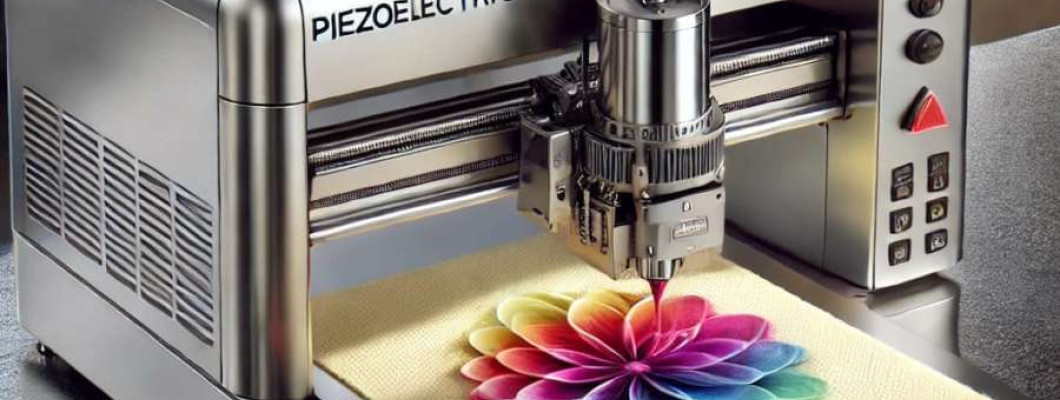
The Industrial Reality Around Edible Food Printing Challenges
In professional baking and confectionery environments, achieving consistent, high-fidelity edible prints on cakes and cookies demands technology that bridges the chasm between artisanal experimentation and industrial-grade reliability. The A3 Edible Food Printer for Printing Cakes Cookies faces significant operational complexities that differentiate it from common DIY solutions. Industrial-grade food printers must operate within stringent parameters involving food safety standards, repeatable print accuracy at micron-level precision, and continuous uptime for business scalability.
Consider a commercial bakery that needs to print intricate, multi-color logos on thousands of cookie batches daily. A DIY food printer, often adapted from consumer inkjet technology, introduces bottlenecks related to ink formulation compatibility, substrate variability, and mechanical wear. These limitations manifest as inconsistent color depths, clogged nozzles, frequent maintenance interruptions, and overall reduced throughput capacity. The industrial printer, by contrast, integrates specialized printhead engineering, food-grade pigment delivery systems, and robust hardware able to sustain extended operational cycles without quality degradation.
Such printers must also be designed to manage food safety regulations, including compliance with FDA or EFSA standards on edible inks and materials in contact with consumables. This elevates complexity in material sourcing and hardware design, emphasizing hygienic construction with stainless steel components and easily cleanable surfaces. Moreover, industrial edible printers must offer scalable print areas—here an A3-sized print bed—to accommodate larger cake surfaces without sacrificing resolution or speed.
Therefore, the leap from DIY to industrial-grade edible food printing is not merely about scaling print dimensions but encompasses holistic system design considerations that mitigate production downtime, ensure regulatory compliance, and maintain consistent output quality under variable business demands. This factory-grade operational reliability is what the A3 Edible Food Printer aims to address within its core architecture.
Technical Deep-Dive Into The A3 Edible Food Printer For Printing Cakes Cookies
Printhead Design And Ink Delivery System
The printer uses a piezoelectric drop-on-demand printhead optimized for food-safe edible inks. Key parameters include droplet volume in the range of 5-10 picoliters (pl) enabling fine detail reproduction at 1200 dpi. Compared to thermal inkjet heads common in consumer models, piezoelectric heads offer better longevity and chemical compatibility with viscous food-grade pigments that typically exceed 15 centipoise in viscosity. This minimizes nozzle clogging and delivers a printing speed of approximately 20 mm/s at full resolution.
Material Substrate Compatibility And Surface Preparation
The A3 format print bed supports multiple substrates including fondant sheets, edible paper, and direct printing on cookie surfaces. Surface adhesion is critical to prevent ink diffusion or smudging. Print substrates require precise moisture and texture control; for example, fondant sheets should maintain <1% moisture variance and an even surface roughness below 5 micrometers Ra to ensure accurate ink settling. The printer hardware compensates for substrate warping up to 2 mm over the print field using adjustable z-axis calibration.
Throughput Capacity And Duty Cycle Considerations
Designed for small to medium batch production, the printer can handle approximately 120 prints per hour at full A3 resolution. Continuous operation is supported with a duty cycle of 8 hours per day without significant thermal degradation due to integrated cooling fans and printhead temperature stabilization circuits maintaining 25°C ± 2°C. This is a significant improvement over many consumer-grade devices prone to downtime from overheated printheads.
Cleaning, Maintenance, And Consumable Lifecycle
Daily maintenance includes automated nozzle purging cycles lasting 2 minutes and weekly cleansing of the ink delivery channels. Consumable replacement cycles indicate edible ink cartridges lasting approximately 500 ml each, sufficient for 500 A3-sized prints, and replaceable platen sheets designed for hygienic disposal every 100 print cycles. This maintenance regimen ensures optimal print quality while minimizing operational interruptions.
Comparison Table Between DIY Consumer and Industrial A3 Edible Food Printers
| Specification | DIY Consumer Printer | A3 Edible Food Printer Industrial Grade |
|---|---|---|
| Printhead Type | Thermal Inkjet | Piezoelectric Drop-on-Demand |
| Droplet Size | 10-15 pl | 5-10 pl |
| Max Resolution | 600 dpi | 1200 dpi |
| Duty Cycle | 2-3 hours/day | 8 hours/day |
| Ink Compatibility | Limited food-grade inks | Broad food-safe ink formulations |
| Print Surface Options | Mostly edible paper | Fondant, edible paper, direct cookie printing |
| Maintenance Frequency | Daily user cleaning | Automated purging + weekly channel cleaning |
| Regulatory Compliance | Varies, often none | FDA/EFSA-compliant components |
Scenario Analysis Of The Printer's Impact On Business Use-Cases
Use-Case One: Boutique Bakery Focusing On Customized Cake Designs
A boutique bakery producing approximately 50 custom cakes weekly benefits from the printer's A3 print area, allowing full-surface custom edible images with micron-level precision. The ability to switch rapidly between substrates (fondant, edible paper) allows creative flexibility. The industrial printhead reduces downtime, enabling the bakery to meet tight deadlines without quality loss.
Use-Case Two: Large-Scale Cookie Manufacturer With Volume Demands
Cookie manufacturers executing batch printing of logos or seasonal designs at volumes over 5000 pieces per week leverage the printer’s 8-hour duty cycle for continuous runs. Automated maintenance routines and food-safe ink compatibility ensure minimal production interruptions and compliance with food safety audits, critical for scaling production.
Use-Case Three: Event Catering Services Requiring On-Demand Edible Prints
Caterers requiring fast turnaround on diverse edible prints appreciate the printer’s swift switching and high-resolution capabilities. The ability to print directly on cookies reduces material costs and prep time, while consistent ink deposition across substrates guarantees brand and aesthetic consistency for premium client events.
Expert FAQ About The A3 Edible Food Printer For Printing Cakes Cookies
What type of inks are validated for use to ensure food safety?
The printer supports glycerin-based edible inks that comply with FDA CFR Title 21 and EFSA regulations. These inks are non-toxic, gluten-free, and produce minimal pigment settling, preserving printhead longevity.
How does the printer handle variable substrate thickness or warping?
It integrates a real-time optical sensor and adjustable z-axis motor allowing corrections up to 2 mm in substrate height variance during printing, ensuring consistent focal distance and preventing nozzle strikes or blur.
What are the expected print resolution limits relative to human perceptible quality?
At 1200 dpi with 5-10 pl droplets, prints exceed the resolution perceptible to the human eye at typical viewing distances of 30 cm, providing smooth gradients and sharp edges ideal for intricate edible art.
How sustainable is the printer in terms of power consumption and waste management?
Peak power draw is approximately 70 Watts during printing, with idle consumption dropping below 15 Watts. Consumables are designed for minimal waste, with recyclable cartridge housings and bio-degradable platen sheets.
What is the recommended preventive maintenance schedule to maximize uptime?
Daily nozzle purging and weekly channel cleaning are recommended, with quarterly printhead inspection and lubrication advised to maintain peak performance and extend hardware life beyond 5 years under normal use.
Strategic Verdict And Recommendation For Industrial-Grade Edible Food Printing
The A3 Edible Food Printer for Printing Cakes Cookies stands out as a truly industrial-grade solution bridging the gap between fragile DIY food printers and robust commercial systems. Its engineering addresses critical industry challenges: from adaptable substrate handling and advanced piezoelectric printheads to compliance with food safety regulations and sustainable operational cycles.
For businesses ranging from boutique bakeries to large-scale manufacturers and event caterers, this printer delivers the throughput, precision, and uptime necessary to scale decorated edible product lines without costly bottlenecks or quality compromises. The integration of automated maintenance features and robust hardware components substantially reduces total cost of ownership over a 5-year lifecycle, which is essential for capital-intensive commercial kitchens.
Given these factors, the printer represents a significant technological step forward in edible printing hardware. Interested readers and industry professionals can find further technical details and acquisition options at the official product page: A3 Edible Food Printer For Printing Cakes Cookies. This technology is recommended not only for its precision and compliance but also for its capacity to transform edible printing workflows into reliable, scalable industrial processes.