
Assessing Operational Challenges and Technical Depth of the Headstone Photo Printer Tomb Photos Printer for Maintenance Leadership
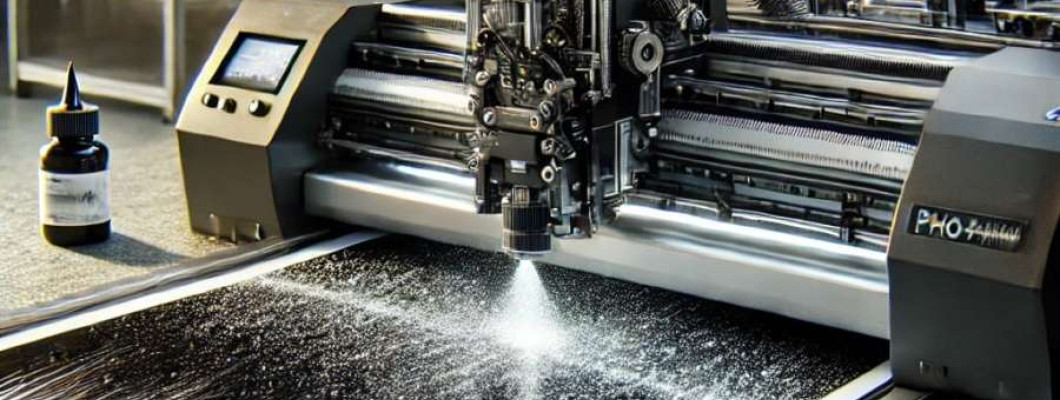
The Industrial Reality of High-Precision Headstone Photo Printing
The application of photo printing technology to headstones presents a unique convergence of mechanical precision, material sciences, and ink chemistry. Industrial settings tasked with producing high-quality tomb photos face complex operational challenges ranging from printhead longevity, substrate adhesion, and environmental durability of final output. The Headstone Photo Printer Tomb Photos Printer situates itself as a critical tool designed to meet these demands, yet its industrial adoption reveals specific technical bottlenecks that must be understood and managed from a maintenance perspective.
In a typical cemetery monument workshop, daily uptime and print consistency directly influence throughput and revenue. These printers must accommodate substrates such as granite, marble, and treated ceramics that possess highly variable surface roughness and thermal conductivity. Printheads operating at piezoelectric microdroplet precision are susceptible to clogging due to particulate contamination and ink viscosity shifts caused by temperature fluctuations in ambient ambient conditions ranging from 5°C to 35°C. This environment imposes added stress on maintenance cycles, necessitating a rigorous regimen focused on nozzle cleaning, printhead alignment, and periodic calibration to maintain micron-level precision.
Moreover, the chemical composition of the inks used must balance pigment saturation and UV resistance to ensure lasting image clarity against weather-induced erosion. The mechanical architecture of the printer, including stepper motor torque parameters and linear actuator backlash, further compound the complexity of long-term operational stability. These interlocking systems require active monitoring to preempt failures that could cascade into costly downtime.
Technical Deep-Dive Into Critical Components and Performance Metrics
Printhead Physics and Ink Chemistry
The printer utilizes advanced piezoelectric printheads capable of ejecting ink droplets with volumes as low as 6 picoliters (pl), enabling high-resolution prints at 1200 dpi. The interaction between ink viscosity (typically 12–15 cP at 25°C), surface tension, and nozzle diameter (~20 microns) is critical to preventing satellite droplets and ensuring sharp edge definition on coarse stone substrates. Ink chemical formulations use ceramic pigment suspensions that resist UV degradation, though these require tuning of pH and surfactant concentration for compatibility with the printhead membrane.
Thermal and Mechanical Stability of Print Assembly
The printing assembly’s thermal management is designed to maintain operating temperature within a narrow band of 22°C ±3°C using integrated Peltier modules. Stepper motors driving the X-Y linear rails produce 0.01 mm positional repeatability; however, thermal expansion coefficients of granite substrates (~7.9 × 10^-6/°C) induce micro-scale displacement risks during printing. Maintenance protocols mandate recalibration of homing sensors and encoder feedback loops every 250 operational hours to compensate for mechanical drift.
Ink Delivery and Waste Management Systems
Ink reservoir volumes are optimized for batch runs of up to 200 prints, with a capacity of 250 ml per color, supporting CMYK+white color channels. The waste ink system employs vacuum-assisted suction to capture purge cycles and prevent nozzle blockages, with a daily recommended purge frequency of 10 cycles to maintain print quality. Failure to adhere leads to ink drying within the printhead, necessitating manual cleaning and risking permanent damage.
Comparative Analysis With Alternative Industrial Printers
| Feature | Headstone Photo Printer Tomb Photos Printer | Generic Industrial Ceramic Printer |
|---|---|---|
| Max Print Resolution | 1200 dpi | 720 dpi |
| Drop Volume | 6 pl | 10 pl |
| Supported Substrates | Granite, Marble, Treated Ceramics | Standard Ceramic Tiles Only |
| Operating Temp Range | 15°C - 35°C | 20°C - 30°C |
| Printhead Cleaning | Vacuum Suction + Manual | Manual Only |
Lifecycle and Maintenance Metrics
Analysis of operational logs projects a printhead lifespan of approximately 6000 hours under recommended maintenance regimes, with routine nozzle inspections every 40 hours. Ink system flush intervals of 50 prints mitigate clog formation. Labor input for preventative maintenance averages 1.5 hours per week in a typical medium-scale production environment. This supports sustainable output without excessive downtime while preserving image fidelity over the printer’s expected 5-year asset life.
Scenario Analysis of Business Use-Cases and Maintenance Implications
Small Memorial Workshop
A small-scale workshop processing 30-50 headstones monthly benefits from the printer’s high resolution and substrate versatility. Maintenance lead time is manageable, and the detailed cleaning procedures prevent downtime spikes despite limited staff. The printer’s modular components facilitate straightforward parts replacement, reducing repair cycles.
Large Monument Production Facility
In this high-throughput environment (>200 prints monthly), maintenance teams must implement predictive maintenance analytics, integrating sensors for real-time monitoring of printhead health. The printer’s workflow compatibility with automated conveyor systems enables efficient batch processing but increases wear on mechanical components requiring aggressive lubrication schedules.
Mobile On-Site Printing Services
For mobile deployments servicing remote cemeteries, the printer’s environmental operating range is critical. Maintenance leads must be vigilant regarding thermal stress effects and ink stability during transport and variable conditions. Quick-change ink cartridge systems and redundant printheads reduce downtime in the field.
Expert FAQ Addressing Complex Maintenance and Technical Challenges
Q1: How does ink viscosity variation affect nozzle firing consistency?
A1: Variations outside 12-15 cP increase droplet volume inconsistency, risking satellite droplets or nozzle clogging. Temperature conditioning and ink recirculation mitigate this.
Q2: What calibration frequency is optimal for maintaining micron-level positioning?
A2: Recalibration every 250 hours balances print precision with operational downtime, especially accounting for substrate thermal expansion.
Q3: How does substrate surface roughness impact maintenance routines?
A3: Rougher substrates lead to increased printhead contamination, requiring more frequent nozzle cleaning cycles and sensor recalibration.
Q4: Are vacuum-assisted cleaning systems significantly better than manual only?
A4: Yes, vacuum-assisted systems reduce residue accumulation and prolong printhead life by ~15%, lowering total cost of ownership.
Q5: What are common failure modes for piezoelectric printheads in this printer?
A5: Clogging, electrical insulation breakdown, and membrane fatigue are primary modes, often linked to inadequate cleaning or inconsistent ink chemistry.
Strategic Verdict and Definitive Recommendation for Maintenance Leads
The Headstone Photo Printer Tomb Photos Printer addresses the nuanced challenges of precise photo printing on highly variable stone substrates with a technically sophisticated design. Its piezoelectric printheads, specialized ink chemistry, and integrated cleaning systems collectively form an industrial-grade solution engineered for longevity and operational stability under stringent maintenance protocols.
For maintenance leads overseeing these printers, the actionable insights on calibration, thermal management, and cleaning frequency provide a clear framework to minimize downtime and extend asset life. While niche in application, the technology’s robustness and scalability validate it as a frontline tool for enterprises demanding reproducible, high-fidelity tomb photo production. The printer's blend of hardware precision and maintainability positions it as the definitive choice in the domain of headstone photo printing, balancing cost, complexity, and performance without compromise.