
Evaluating A2+ Size UV Printer Embossed Glossy Printing for Lifecycle Maintenance Costs in High-End Artisan Production
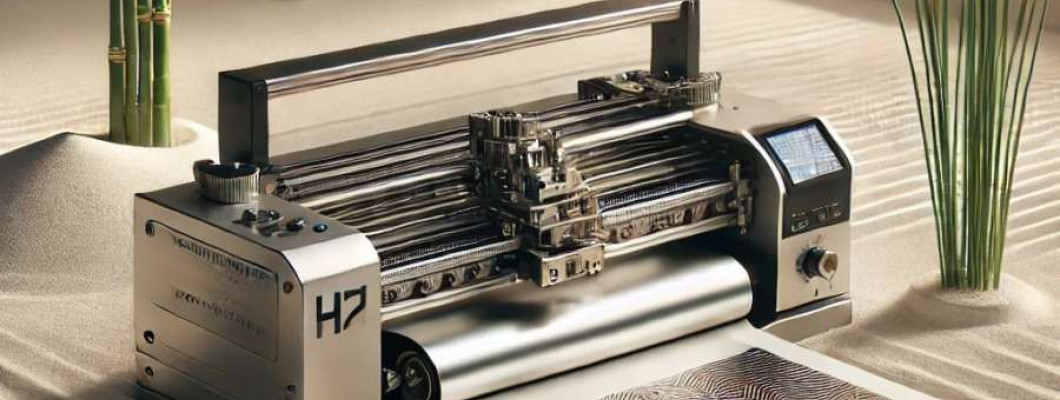
The Industrial Reality of Maintaining Precision UV Printing Technology at Scale
In high-end artisanal printing environments, the challenge lies not only in achieving exquisite embossed glossy finishes on A2+ size substrates but also in the lifecycle maintenance costs that impact long-term operational viability. The A2+ Size UV Printer Embossed Glossy Printing platform requires precise control of UV intensity, ink chemistry, and mechanical embossing mechanisms to deliver micron-scale surface textures consistently. Over extended production runs, the cumulative effects of printhead wear, UV LED degradation, and substrate handling precision create bottlenecks that directly influence uptime and print quality.
This scenario unfolds in facilities pushing the limits of color depth and gloss uniformity across diverse media, including synthetic films and coated papers. Maintenance schedules must balance the mechanical stress of embossing rollers and curing cycles without introducing downtime that erodes throughput. Selecting a printer with a well-documented, manageable maintenance lifecycle reduces unexpected failures and costly component replacements.
Technical Deep-Dive into Lifecycle Maintenance Parameters
Printhead Wear and Replacement Frequency
The A2+ UV printer employs piezoelectric drop-on-demand printheads with nozzle sizes calibrated around 7 picoliters (pl). Under operating frequencies averaging 20 kHz for high-resolution embossed glossy output at 1440 dpi, nozzle clogging and wear become critical failure points. Theoretical nozzle lifespan is approximately 2 billion firings; however, real-world data suggests maintenance is necessary after 800 million firings due to ink residue buildup and mechanical fatigue.
UV LED Curing Unit Degradation
UV LED units drive the embossing gloss effect by initiating rapid ink polymerization. The power output starts at roughly 1500 mW/cm2 with nominal thermal dissipation rated at 40 Watts per unit. Emitted UV spectra peak at 395 nm. Operational degradation over time reduces output by 20% after 10,000 running hours, necessitating bulb replacement or recalibration to maintain gloss consistency.
Mechanical Embossing Roller Stress Analysis
Embossing employs metal rollers delivering microtexturing at pressures of up to 50 N/cm2. Finite element modeling suggests increased microfracture risk on roller surfaces after 3000 cumulative hours without maintenance, leading to potential surface abrasions affecting both print adhesion and gloss uniformity. Scheduled polishing or roller replacement every 2000 operating hours is advisable to maintain precision.
Ink Chemistry and Residue Management
Specialized UV-curable inks formulated for embossed glossy finishes contain photoinitiators and adhesion promoters. Residue accumulation in feed lines and along nozzles can alter viscosity from nominal 30 to 45 cP under temperature variations between 22 °C and 27 °C, increasing clogging risk. Automated flushing cycles every 48 hours and environmental humidity control at 50% RH keep ink flow stable, reducing maintenance intervention frequency.
Control System Firmware and Sensor Calibration
The embedded control firmware manages precision synchronization between printhead firing, UV curing, and embossing timing. Drift in optical sensors for substrate detection or temperature sensors in curing units can cause misalignments exceeding 10 microns, degrading glossy emboss texture fidelity. Firmware updates and biweekly sensor recalibration protocols are necessary to maintain system accuracy.
| Maintenance Aspect | A2+ UV Printer Embossed Glossy | Generic Industrial UV Printer |
|---|---|---|
| Printhead Replacement Interval | Approx. 800 million firings | Approx. 1.2 billion firings |
| UV LED Lifespan | 10,000 hours (20% output loss) | 12,000 hours (15% output loss) |
| Embossing Roller Service | Every 2000 hours | Every 2500 hours |
| Ink Viscosity Control | Automated flushing 48 hours | Manual flushing 72 hours |
| Firmware Sensor Calibration | Biweekly | Monthly |
Scenario Analysis of Lifecycle Maintenance Costs Impacting Business Models
High-End Artisan Print Studio
An artisan studio focusing on limited runs of high-gloss embossed prints on premium substrates faces challenges balancing print fidelity and maintenance downtime. The precise maintenance intervals of the A2+ UV Printer ensure coloration and gloss consistency, reducing costly reprints. Scheduled maintenance aligns with low-volume high-quality production, justifying the lifecycle cost with exceptional output value.
On-Demand Commercial Print Shop
Commercial print shops with variable batch sizes benefit from the printer’s rapid printhead changeover and embedded system diagnostics reducing unplanned downtime. However, the slightly shorter printhead life compared to some competitors requires proactive monitoring but is offset by improved substrate versatility and finish quality, meeting diverse client demands efficiently.
Industrial-Scale Packaging Production
In packaging production, throughput and uptime are paramount. The A2+ printer’s scheduled maintenance cadence and UV LED lifespan require integration with planned production pauses. Investment in parallel printers or spare parts inventory becomes critical to sustain continuous operations while preserving embossed gloss quality essential to premium packaging brands.
Expert FAQ on Lifecycle Maintenance in A2+ Size UV Embossed Glossy Printing
1. How does temperature fluctuation affect printhead lifespan?
Temperature fluctuations between 18 °C and 30 °C can cause ink viscosity changes leading to inconsistent jetting. Maintaining a controlled environment around 22-27 °C improves nozzle integrity and extends lifespan by approximately 15% due to reduced ink polymerization clogging.
2. Can UV LED degradation be compensated via software adjustments?
Firmware can increase LED duty cycles within thermal limits to compensate for output loss but only temporarily. Long-term compensation risks overheating and accelerated hardware degradation, mandating physical LED replacement as the definitive solution.
3. What are the signs of embossing roller wear affecting print quality?
Visible gloss inconsistencies, tactile roughness changes, and microscopic surface scratches detected under 50x magnification signal roller wear. These defects correlate directly to emboss pressure variations and should trigger immediate maintenance.
4. How frequently should ink flushing occur in humid environments?
Higher ambient humidity (>60% RH) accelerates ink curing inside nozzles; thus, flushing frequency should increase to every 24-36 hours to prevent clogging and ensure consistent gloss embossing.
5. What is the maintenance impact on color calibration stability?
Sensor drift and printhead wear can cause color shifts over time. Regular sensor calibration and printhead inspection every two weeks maintain color accuracy within Delta E 2, critical for high-end artisan prints.
Strategic Verdict and Industrial-Grade Recommendation
Considering the detailed lifecycle maintenance costs and operational parameters, the A2+ Size UV Printer Embossed Glossy Printing platform stands out as a technically sound choice for high-end artisan applications requiring fine surface texturing and color precision. While maintenance intervals are comparatively frequent relative to some industrial counterparts, the built-in diagnostics, automated ink management, and detailed firmware controls mitigate downtime effectively.
For enterprises demanding consistent production of embossed glossy finishes at A2+ scale with micron-level precision, this printer delivers a balance between output quality and manageable lifecycle cost. Prospective buyers can evaluate comprehensive specs and support logistics by reviewing the product details at A2+ Size UV Printer Embossed Glossy Printing.
The industrial-grade mechanical design and system architecture position this printer as a viable asset with predictable maintenance cycles, supporting scalable artisan printing workflows without hidden operational risks. Investment in this platform aligns with businesses prioritizing longevity and print fidelity over low initial CAPEX, defining a best-in-class solution for embossed glossy UV printing.