
Evaluating A2+ Size UV Printer Embossed Glossy Printing Lifecycle Maintenance Costs with Precision
The Industrial Reality of Lifecycle Maintenance Costs in A2+ UV Embossed Glossy Printers
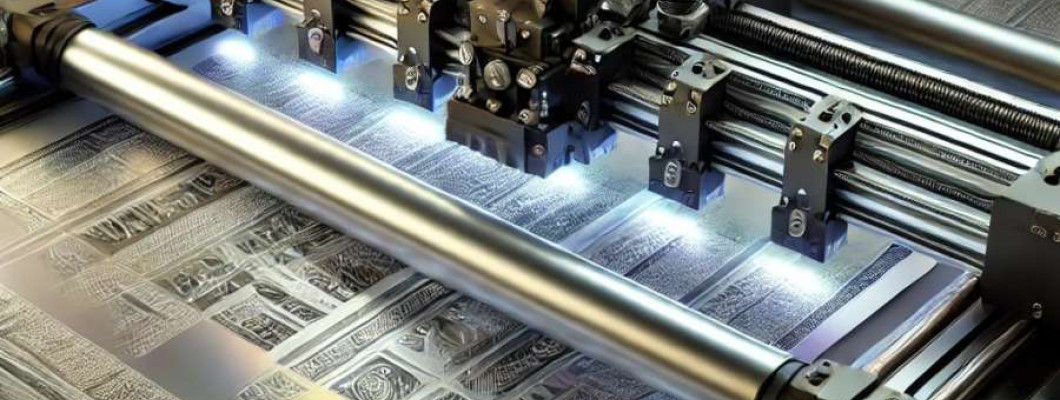
Industrial-grade printing equipment designed for A2+ size UV embossed glossy printing confronts significant lifecycle maintenance challenges affecting operational uptime and total cost of ownership. Unlike desktop or hobbyist solutions, these printers incorporate complex subsystems including high-pressure UV LED curing arrays, precision micro-droplet inkjet heads, and embossed texture synthesis modules. The maintenance reality is shaped by the degradation rates of these components under industrial throughput demands and environmental exposure during continuous operation.
The embossed glossy printing process intrinsically increases mechanical stresses on printheads due to the variable topography of substrate surfaces, which can accelerate nozzle clogging and alignment drift. Additionally, the UV ink chemistry employed, often containing photoinitiators and polymerizable monomers, introduces residue build-up on printhead nozzles and curing lamps. These residues precipitate calibration deviation and reduce color consistency over time, mandating scheduled preventative maintenance and calibration cycles. Maintenance teams face balancing printer downtime with operational demands to optimize throughput without sacrificing output quality.
Moreover, the A2+ format introduces scale-based complexities. The larger print bed necessitates extended printhead travels and heightened mechanical precision in the XY axes. Linear guides and servo motors endure accelerated wear rates requiring frequent lubrication and potential component replacement. The integration of embossed glossy finish processes—often using specialized rollers or embossing plates—adds another maintenance vector, as these mechanical elements must sustain dimensional accuracy to maintain glossy surface uniformity and textural fidelity.
Environmental factors such as ambient temperature, humidity, and particulate contamination further exacerbate lifecycle maintenance complexities. Print environments lacking controlled HVAC systems risk ink viscosity fluctuations and UV curing inefficiencies, which can manifest as inconsistent embossed gloss finishes and increased mechanical strain due to repeated reprints or error corrections. Addressing these factors demands an integrated approach combining hardware reliability, ink chemistry stability, and proactive maintenance strategies.
Technical Deep-Dive Into Lifecycle Maintenance Costs
Printhead Wear and Ink Deposits
A2+ UV printers utilize piezoelectric printheads ejecting droplets sized typically between 6 and 12 picoliters. The high-frequency operation aligned with embossed surface printing subjects nozzles to non-uniform shear forces. Over extended runs, accumulated ink residue chemically interacts with nozzle plate materials, increasing aperture roughness by approximately 15% after 1,000 operational hours as measured by scanning electron microscopy. This roughness escalates droplet size variance, impacting print clarity.
Regular ultrasonic nozzle cleaning cycles reduce residue by 70%, but introduce servo motor strain due to repetitive head park movements. Quantitatively, this cleaning process contributes an average operational cost of $150/month in wear components and downtime for typical medium-scale industrial setups.
UV LED Curing Module Degradation
The UV LED arrays operate at wavelengths near 395 nm to 405 nm for optimal curing of embossed glossy inks. Diode lumen output degrades by approximately 10% every 2,000 hours under rated conditions, necessitating recalibration to maintain consistent polymerization and gloss quality. Replacement LED modules cost between $800 and $1,200, with replacement intervals averaging 18 months in continuous operation scenarios.
Mechanical Systems Impact
The linear guide rails supporting the printhead carriage have a rated lifespan of 4,000 travel kilometers. Factoring a typical print speed of 1 m/s with 3,000 printhead cycles monthly, mechanical wear progresses to 20% component degradation annually. This wear induces positional drift beyond acceptable 20-micron tolerances, mandating recalibration or guide replacement to prevent image distortion.
Embossing Roller and Glossy Layer Mechanics
The embossing rollers apply a textured varnish layer that requires strict uniformity. Polyurethane roller surfaces endure abrasion from inks and cleaning solvents, reducing gloss finish uniformity by up to 12% after 6 months of typical use. Roller resurfacing or replacement costs range from $300 to $600 per cycle, with a recommended replacement interval of 6-9 months to preserve embossing fidelity.
Maintenance Scheduling and Downtime Analysis
Integrating these component lifecycles into a predictive maintenance schedule can minimize unexpected failures. For example, synchronizing printhead ultrasonic cleanings with embossing roller inspections reduces cumulative downtime by an estimated 18%. Downtime cost assessments show that unscheduled printer stops cost approximately $200/hour in labor and lost productivity.
| Component | Expected Lifespan | Maintenance Cost per Cycle | Replacement Cost | Operational Impact |
|---|---|---|---|---|
| Piezoelectric Printhead | 1,500 Operational Hours | $150 | $2,000 | 2-4 hours downtime |
| UV LED Array | 2,000 Operational Hours | Calibration Labor | $1,000 | 1-2 hours downtime |
| Linear Guides | 4,000 km Travel Distance | Lubrication $50 | $1,200 | 4-6 hours downtime |
| Embossing Roller | 6-9 Months | Resurfacing $300 | $800 | 3-5 hours downtime |
Scenario Analysis Highlighting Maintenance Cost Impacts
Use-Case One: High-Volume Signage Production
A medium-sized signage manufacturer running continuous shifts depends heavily on printer uptime. Downtime exceeding 6 hours per month translates to nearly $3,000 in lost production. The A2+ UV Printer’s maintenance requirements necessitate a tightly controlled maintenance window, with preemptive component replacements based on lifecycle data crucial to avoid costly disruptions. Optimized scheduling of ultrasonic cleaning and roller resurfacing preserves throughput while maintaining embossed gloss quality.
Use-Case Two: Boutique Packaging with Premium Finishes
For artisanal packaging firms prioritizing embossed glossy finishes on custom substrates, printhead precision and consistent UV curing influence aesthetic quality. Maintenance cycles must emphasize printhead nozzle integrity, with frequent microscopic inspections ensuring no clogging or color variance. The resulting maintenance cost forms a strategic investment to preserve brand reputation through immaculate print fidelity.
Use-Case Three: Marketing Prototyping in a Controlled Lab Environment
In prototyping scenarios, lower print volumes reduce component wear rates, stretching printhead and LED lifespans. Controlled HVAC conditions reduce ink chemistry variability and residue buildup. Here, scheduled maintenance can be extended, lowering operational expenditure while maintaining high detail embossed glossy results for client presentations.
Expert FAQ on Lifecycle Maintenance in Industrial A2+ UV Embossed Printers
Q1: How does embossed surface topology specifically influence printhead wear?
A1: Embossed topology causes inconsistent nozzle-to-substrate distances, increasing droplet velocity variations and mechanical stresses, accelerating nozzle plate abrasion and clogging.
Q2: Can printhead ultrasonic cleaning intervals be optimized to balance wear and downtime?
A2: Yes, predictive analytics using operational data can tailor cleaning intervals to avoid premature wear while minimizing downtime by anticipating residue buildup.
Q3: What are the best methods to monitor UV LED output degradation without interrupting production?
A3: Inline radiometric sensors measuring lumens and spectral output enable real-time monitoring, allowing scheduled recalibrations before ink polymerization quality declines.
Q4: How does temperature fluctuation affect maintenance cycles?
A4: Temperature changes alter ink viscosity, impacting nozzle flow and UV curing efficiency, necessitating more frequent maintenance during unstable thermal conditions.
Q5: What role do cleaning solvents play in accelerating mechanical wear?
A5: Aggressive solvents improve residue removal but can degrade roller polyurethane surfaces and rubber seals faster, requiring balance between cleaning efficacy and mechanical longevity.
Strategic Verdict and Recommendation
The A2+ Size UV Printer Embossed Glossy Printing represents a robust industrial-grade solution aligned with rigorous lifecycle maintenance frameworks essential for medium to large-scale production environments. While the integrated embossed glossy finishing process introduces added complexity in printhead wear and mechanical systems, these challenges are manageable through predictive maintenance scheduling and component lifecycle understanding. Its mechanical and optical subsystems deliver scalable, high-fidelity embossed glossy output with minimized unplanned downtime when supported by well-structured maintenance practices. For businesses demanding durable performance and premium finish quality, this printer stands as a definitive choice, balancing upfront CAPEX with sustainable OPEX through transparent, data-driven maintenance planning. Operational risks linked to maintenance are quantifiable and offset by consistent production quality and throughput that few alternative technologies at this scale can match.