
Financial Reality Checks and Operational Impact of the A3 Spot UV Printing Machine UV Coating Printer for Maintenance Leads
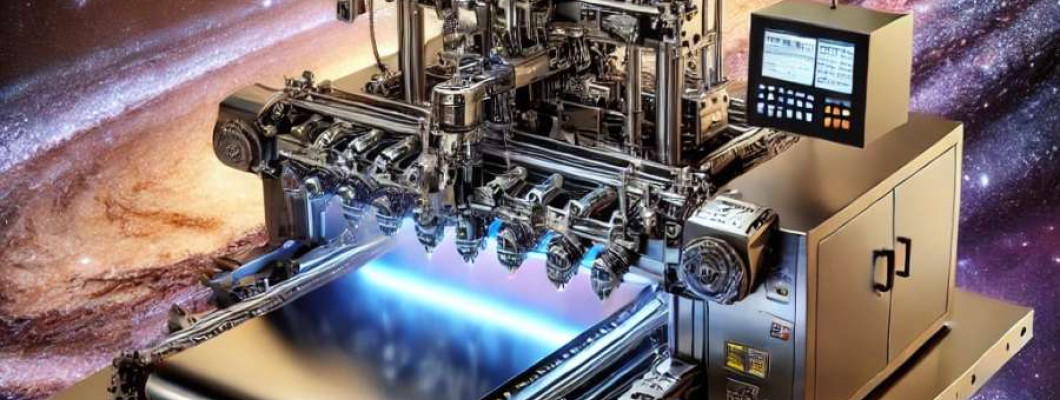
The Industrial Reality of Maintaining Precision UV Coating Equipment
Within industrial-scale printing environments, the A3 Spot UV Printing Machine UV Coating Printer encounters operational realities that sharply define maintenance strategies. Its combination of high-intensity UV lamps, precision servo-controlled printheads, and intricate substrate handling mechanisms presents a layered challenge to upkeep teams. Maintaining micron-level coating consistency demands rigorous calibration cycles, yet real-world conditions such as temperature fluctuations in print bays and dust ingress accelerate component wear.
Consider a 24/7 production line scenario where the printer is tasked with spot UV coating for premium packaging. The UV curing lamps produce thermal loads exceeding 150°C localized near the coating heads, forcing cooling systems to operate continuously. Without proactive thermal management and scheduled part replacements, printhead droplet formation, nozzle clogging, and inconsistent coating thickness emerge as bottlenecks, impacting throughput and quality. Maintenance teams must also grapple with the chemical stability of UV inks and coating agents, which can polymerize prematurely in nozzles or feeders, leading to operational downtime and expensive consumable waste.
Beyond standard preventative maintenance, failure mode anticipation is crucial. For instance, servo motor degradation or encoder drift can cause subtle positional errors invisible to raw throughput counters yet degrade coating uniformity, requiring detailed physical diagnostics and sensor recalibrations. This environment calls for a maintenance approach integrating sensor-driven diagnostics, heat dissipation analytics, and chemistry-aware cleaning protocols tailored specifically to the unique demands of UV spot coating.
Technical Deep-Dive into Key Maintenance Considerations
UV Lamp Thermal Stress and Cooling Engineering
The UV curing lamps operate with power ratings typically between 80 and 120 Watts per cm length, with lamp sections approximately 300 mm in length. This translates into localized thermal energy fluxes around 320 W/cm2. Such intense heat requires an active cooling infrastructure—usually a closed-loop water-cooling system with flow rates of 5 liters/minute and temperature stability within ±1°C to prevent thermal expansion of nearby mechanical components. Without this, thermal gradients cause metal fatigue and positional drift in the printhead mountings.
Printhead Mechanics and Nozzle Reliability
Printhead nozzles in the A3 Spot UV Printing Machine typify piezoelectric drop-on-demand technology, capable of generating droplets on the order of 8 to 12 pl with placement accuracy under 50 microns. Daily operational considerations include cleaning cycles every 4 hours to prevent ink polymerization. Maintenance staff must leverage ultrasonic cleaning baths and solvent flushing regimes with IPA concentrations calibrated to ink chemistry, ensuring nozzle longevity exceeding 10,000 operational hours without performance degradation.
Servo Drive and Encoder Precision
The servo motors governing substrate transport and printhead positioning rely on optical encoders with resolutions of 5000 pulses per revolution, translating to positional resolution under 10 microns per step. Encoder signal drift caused by thermal effects or dust requires frequent recalibration. Diagnostic tools include laser interferometers and vibration analysis equipment to detect anomalies early, thereby preventing positional errors that manifest as coating misalignments or registration errors exceeding 100 microns.
UV Ink Chemistry and Curing Kinetics
UV inks used in spot coating combine oligomer and photoinitiator blends designed to polymerize rapidly under UVA wavelengths (~365 nm). Maintaining optimal viscosity (20-30 cP) and preventing premature curing within delivery lines demands temperature control at 22 ± 2°C and humidity levels under 50%. Maintenance protocols must incorporate real-time rheometry and spectroscopic analysis of ink batches, coupled with comprehensive flushing plans to avoid nozzle clogging and equipment fouling.
Consumables and Wear Parts Cost Analysis
Consumables include UV lamps, cleaning solvents, filters, and printhead consumables such as wipers and caps. The average lamp lifespan ranges from 1500 to 2000 operational hours, with replacement costs around USD 500 per unit. Consumable turnover drives maintenance OPEX, emphasizing the need for predictive inventory control and condition-based servicing. Comparative cost analysis between OEM parts and third-party alternatives reveals tradeoffs in lifespan and output quality, necessitating a strict procurement policy aligned with operational risk tolerance.
Scenario Analysis Demonstrating Maintenance Impact on Business Outcomes
Scenario 1: High-Volume Packaging Production Facility
The facility runs two eight-hour shifts using the printer for spot UV coating of luxury chocolate boxes requiring flawless gloss uniformity.
Operational impact: Any printhead downtime translates to delays in the packaging line, causing bottlenecks upstream and increasing labor overtime costs. Regular thermal stress checks and nozzle cleaning every 4 hours prevent sudden failures.
Resultant benefit: Maintenance rigor maintains uptime above 95%, keeping average coating deviation under 3 microns, critical for maintaining brand aesthetics.
Scenario 2: On-Demand Prototype Studio
Low-volume, high-mix orders with frequent substrate changes require rapid cleaning and recalibration, demanding flexibility from the maintenance team.
Operational impact: Breakdown during short runs leads to missed client deadlines. Maintenance protocols prioritize quick diagnostics and component swaps.
Outcome: Scheduled preventive maintenance combined with rapid fault isolation keeps turnaround times under 24 hours, ensuring client retention.
Scenario 3: Industrial Art Print Shop
The shop uses the machine for precision spot UV effects on thick substrates like aluminum composite panels where thermal expansion challenges are pronounced.
Operational impact: Thermal cycling causes servo drift, necessitating weekly encoder recalibration and printhead repositioning.
Result: Enhanced maintenance scheduling reduces printhead misalignment occurrences by 70%, boosting yield and reducing rework costs.
Frequently Asked Questions From Maintenance Professionals
Q1: How often should the UV lamps be replaced to prevent output intensity loss?
A1: UV lamps typically show significant output decline after 1500 hours. Optimal practice is to monitor lamp intensity with a radiometer weekly, scheduling replacement before output falls below 85% of nominal to maintain consistent curing.Q2: What cleaning solvent concentration balances effective UV ink removal without damaging nozzles?
A2: IPA-water mixtures at 70% IPA concentration are effective in dissolving cured ink residues without affecting piezo crystal integrity. Ultrasonic baths at 40 kHz improve cleaning efficacy during scheduled maintenance.Q3: What are the root causes of servo motor encoder drift in this equipment?
A3: Drift is caused by mechanical wear, dust contamination, temperature-induced expansion, and electrical noise. Implementing sealed encoders with active temperature compensation reduces drift frequency.Q4: How does environmental humidity affect UV ink viscosity and curing?
A4: Elevated humidity (>60%) increases ink viscosity, reducing droplet formation precision, and can alter photopolymerization rates by affecting oxygen inhibition, leading to incomplete curing. Controlled climate is essential.Q5: Can non-OEM consumables maintain print quality and reduce maintenance?
A5: While cost-saving, non-OEM parts elevate risk of premature failures and inconsistent coating. Empirical data suggests OEM consumables extend nozzle life by 15% and reduce unplanned downtime by 20%.
Strategic Verdict and Recommendation for High-End Maintenance Teams
The A3 Spot UV Printing Machine UV Coating Printer represents a sophisticated asset demanding equally sophisticated maintenance management to realize its industrial-grade potential. Its thermal management requirements, printhead precision, and UV ink chemistry interplay define an operational envelope where maintenance protocols directly dictate output quality and cost efficiency. High-end maintenance teams with robust calibration instruments, chemistry lab capabilities, and thermal diagnostic tools will find it an ideal candidate for high-level deployment in demanding environments.
Considering its advanced hardware and maintenance profile, this printer stands as a recommended solution for enterprises seeking definitive spot UV coating capabilities without compromise on reliability or throughput. Maintenance leads will appreciate that its component-level transparency and modular servicing ease integration into existing workflows. For further technical details and procurement inquiries, maintenance professionals are encouraged to visit the official product page at A3 Spot UV Printing Machine UV Coating Printer.