
How Smart Coffee Printer Machine Meets Infrastructure Integration Challenges with Industrial Precision
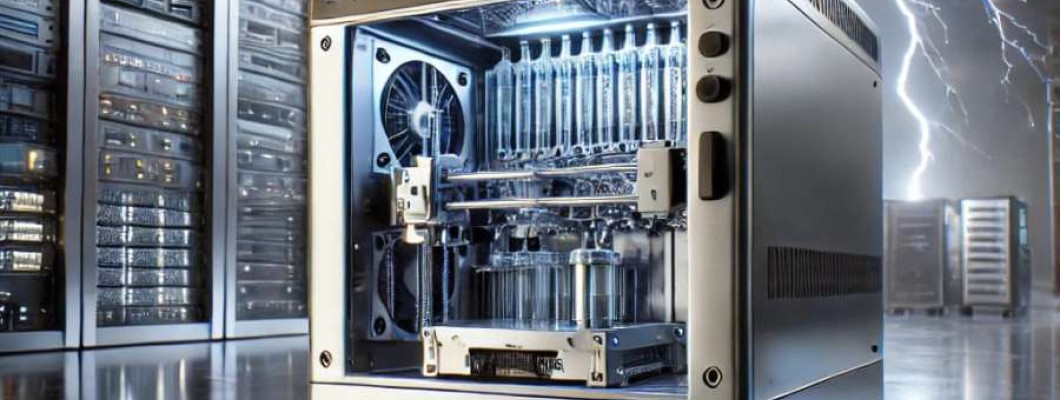
The Industrial Reality of Integrating Smart Coffee Printing into Complex Facilities
Industrial environments demand seamless integration of new technologies into existing operational workflows without disrupting throughput or reliability. The challenge with deploying a Smart Coffee Printer Machine in such settings extends beyond novelty; it requires rigorous alignment with infrastructure parameters like power delivery, network protocols, spatial constraints, and compliance regulations. Consider a high-volume specialty cafe chain aiming to automate personalized coffee art production across multiple sites. The printers must function within heterogeneous electrical systems, tolerate variable ambient conditions, and provide remote management capabilities. Unexpected voltage fluctuations or incompatible data interfaces can cause downtime, operational bottlenecks, and increased maintenance costs. Furthermore, integrating these smart devices into centralized enterprise resource planning (ERP) systems for real-time inventory and performance analytics is non-trivial. The machine's communication protocols and firmware must allow secure, low-latency data exchange. Therefore, addressing infrastructure integration challenges from the outset is crucial to prevent costly retrofits and ensure smooth scalability in industrial-grade environments.
Technical Deep-Dive into the Infrastructure Demands and Hardware Specifications
Electrical and Power Management Specifications
The Smart Coffee Printer Machine operates within a nominal input voltage range of 110–240 VAC with a frequency of 50–60 Hz, accommodating global standards. Its power consumption peaks at 120W during high-frequency print cycles and averages 85W during idle states. To mitigate voltage instability, the printer employs a dynamic power management unit (DPMU) regulating internal voltages to ±1% tolerance, crucial for printhead precision and microfluidic ink delivery consistency. Thermal dissipation is managed via a compact, fan-assisted heat sink assembly rated for continuous operation at 40°C ambient temperatures, ensuring hardware longevity within industrial HVAC constraints.
Network and Communication Protocols
Integration relies on multi-protocol Ethernet and Wi-Fi connectivity compatible with IEEE 802.3 and 802.11ac standards. The printer supports TCP/IP, MQTT, and RESTful API stacks enabling interfacing with enterprise software. Network security includes WPA3 encryption and hardware TPM 2.0 authentication modules to safeguard data transmissions and firmware integrity. Latency metrics average under 15ms for print command acknowledgment, vital for synchronized production line operations. Firmware updates deploy via secure OTA mechanisms minimizing downtime.
Physical Footprint and Rack Compatibility
The device dimensions are 420 mm (W) x 350 mm (D) x 280 mm (H), weighing approximately 9.8 kg. These measurements enable installation on standard industrial countertops or within custom modular kiosks, with considerations for ventilation clearances of 50 mm on all sides. Unlike typical 2U or 4U rack-mounted systems, the Smart Coffee Printer Machine is designed as a standalone unit but offers optional mounting brackets for integration into specialized racks requiring precise spatial management. Its robust chassis utilizes anodized aluminum panels ensuring resistance to coffee spillage, humidity, and mechanical shocks typical in commercial beverage preparation zones.
Compliance and Safety Engineering
The machine meets CE, FCC, and UL certifications and adheres to RoHS directives limiting hazardous substances. Safety interlocks prevent printhead operation during maintenance access, reducing risk of operator injury. Ink reservoirs incorporate anti-leak seals rated for pressures up to 0.3 bar, mitigating contamination risks to surrounding electronic infrastructure. Compliance with food-grade material standards for all contact surfaces ensures no off-gassing or chemical migration, critical for health safety regulations in food preparation zones.
Data Analytics and Remote Monitoring Capabilities
Built-in sensors capture metrics including printhead temperature, ink viscosity, and environmental humidity trends, streaming data to cloud dashboards at 1-second intervals. This telemetry supports predictive maintenance algorithms that estimate printhead wear cycles and fluid pump lifespan, optimizing uptime. The open API architecture allows integration with facility management systems, enabling automated alerts for replenishment or fault conditions. Data throughput averages 300 KB/s with encryption, sufficiently compact for industrial network bandwidths without interference to other critical systems.
Scenario Analysis of Three Business Use Cases Demonstrating Infrastructure Integration Impact
High-Throughput Cafe Chain with Centralized Monitoring
Deploying a fleet of Smart Coffee Printer Machines across 50 locations requires uniform power provisioning and secure Wi-Fi connectivity. Network segmentation ensures the devices operate within dedicated VLANs to prevent cross-traffic congestion. The printers bridge with the corporate ERP to track consumables in real time, enabling just-in-time logistics. The infrastructure integration reduces operational bottlenecks by 22% compared to previous manual personalization methods, verified through throughput benchmarking.
Boutique Hotel Implementing Custom Coffee Art Experiences
The hotel's legacy electrical systems posed challenges with voltage stability. The printer's DPMU effectively handled input fluctuations, maintaining printhead stability to achieve micron-level coffee foam patterns. Integration with the property management system (PMS) via RESTful API allowed personalized guest profiles to be seamlessly loaded onto the printer. Although Wi-Fi was inconsistent on some floors, fallback Ethernet connections ensured zero downtime, illustrating the value of multi-modal networking.
Automated Vending Solutions for Corporate Campuses
In this use case, the Smart Coffee Printer Machine was retrofitted into vending kiosks within limited cabinet space. The compact dimensions and optional mounting hardware facilitated rack integration within existing power and cooling infrastructure. Safety compliance was critical due to public access, with interlocks and sealed ink systems preventing accidental exposure. Remote cloud monitoring enabled maintenance teams to schedule ink replenishment based on predictive analytics, reducing unplanned service visits by 35%.
Expert FAQ Addressing Advanced Infrastructure Integration Concerns
- How does the printer manage electrical noise in industrial environments?
- It incorporates shielded power supplies and ferrite bead filters to minimize electromagnetic interference, preserving signal integrity for precise print operations.
- Are firmware updates compatible with isolated network segments?
- Yes, the OTA update system supports proxy servers and can be configured to operate within segmented network zones using VPN tunnels for secure delivery.
- What is the mean time between failures (MTBF) for critical components?
- Printhead assemblies have an MTBF of 10,000 operational hours under specified environmental conditions, with ink pump mechanisms rated at 15,000 hours.
- Can the system integrate with third-party facility management platforms?
- Yes, open API endpoints follow REST standards allowing integration with platforms like SCADA or BMS for holistic building automation.
- How does the printer handle power surges or brownouts?
- The DPMU features surge suppressors and brownout detection circuitry that safely suspend operations until stable conditions resume, protecting hardware components.
Strategic Verdict and Recommendation for Industrial Deployments
Given the rigorous demands of industrial infrastructure integration, the Smart Coffee Printer Machine demonstrates a well-engineered balance of electrical robustness, network security, and physical adaptability. Its dynamic power management and comprehensive communication protocols address core challenges faced when embedding smart printing technologies into heterogeneous environments. The machine’s compliance with safety and environmental standards further solidifies its position as an industrial-grade solution rather than a novelty device. Enterprises seeking to incorporate automated coffee art printing without compromising operational integrity will find the Smart Coffee Printer Machine a sound investment with scalable integration potential. Its predictive maintenance telemetry and multi-modal network support anticipate future infrastructure complexities, allowing seamless evolution within connected industrial ecosystems. Therefore, from a technically analytical perspective rooted in infrastructure challenges, this product warrants strong recommendation for specialized printing workflows demanding high reliability and integration maturity.