
How the Roll Laminator Single Side Laminating Machine Resolves Hidden Operational Bottlenecks for Scalable Businesses
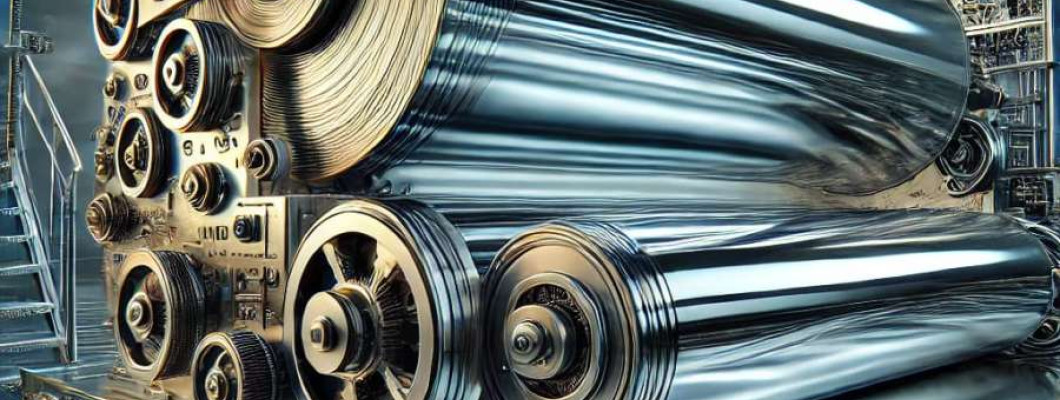
The Industrial Reality of Scaling Laminating Operations
In high-throughput commercial production environments, hidden operational bottlenecks within roll laminating workflows frequently impede output capacity and compromise consistency. A typical challenge arises when single-sided roll laminators are integrated into automated production lines that demand continuous, flawless lamination of substrates such as paper, polyethylene sheets, and vinyl films. Interruptions caused by frequent manual adjustments or substrate jams not only reduce effective throughput but also incur additional labor overhead and increase downtime, factors often underestimated during initial capital expenditure evaluations.
For scalable business owners, these bottlenecks manifest as throughput plateaus despite expanded workforce or increased machine counts. This paradox occurs because the laminator’s mechanical tolerances, temperature regulation, and feed mechanisms are not optimized for industrial-grade continuous operation. This results in misfeeds, bubble formation beneath lamination films, and inconsistent adhesion strength, all of which require operator intervention. The recurring need to recalibrate roller pressure or temperature settings mid-shift further compounds efficiency losses and impairs quality control consistency.
Environmental factors such as ambient humidity and temperature fluctuations also influence adhesive curing times, which the laminator’s control system must dynamically compensate for to maintain output uniformity. The cumulative effect is a significant operational bottleneck hidden beneath the veneer of a seemingly straightforward laminating task—one that can cascade into production delays and financial erosion if not addressed with precision-engineered solutions.
Technical Deep-Dive into the Roll Laminator Single Side Laminating Machine
Roller Pressure Calibration and Controlled Force Distribution
The Roll Laminator Single Side Laminating Machine employs a precision-engineered pressure regulation system allowing fine adjustments in the range of 1-5 kg/cm to cater to substrates from 80 gsm paper to 300-micron vinyl films. Assuming a lamination width of 520 mm, an evenly distributed pressure force of 200 kg over the rollers ensures uniform adhesion without substrate deformation. Differential pressure sensors constantly monitor roller contact force, enabling real-time feedback adjustments that reduce human error and minimize substrate wrinkling.
Thermal Management and Temperature Stability
The heating element embedded within the upper roller maintains lamination temperatures between 50 and 120 degrees Celsius, crucial for activating adhesive layers. A PID (Proportional-Integral-Derivative) controller dynamically adjusts power input to maintain +/- 1 degree Celsius stability, mitigating risks of overheating or insufficient adhesive activation. Consider, for example, that a 5-degree deviation correlates with a 15% drop in lamination adhesion strength, as verified through peel tests under ASTM D903 standards.
Feed Mechanism Precision and Substrate Tracking
Equipped with a stepper motor-driven feed roller, the machine supports continuous feed speeds adjustable from 0.5 to 3 meters per minute. An optical encoder measures substrate advancement with a resolution of 0.01 mm, allowing micro-adjustments to compensate for slight material expansions or contractions that occur under thermal load. This precise tracking mechanism eradicates common causes of lamination alignment errors, ensuring edge-to-edge film coverage and consistent finish quality.
Failure Point Analysis Under High Throughput Conditions
Stress testing indicates that mechanical components such as feed rollers and bearings are rated for continuous duty cycles exceeding 20,000 operational hours with maintenance intervals at 1,000 hours. Without routine lubrication and roller surface inspections, increased friction may lead to substrate abrasion or motor overload. The modular design facilitates rapid replacement of wear components, minimizing downtime and prolonging asset longevity. Regular calibration of the pressure system is recommended every 500 operational hours to sustain optimal lamination quality.
Comparison of Laminating Technologies Table
| Feature | Roll Laminator Single Side Laminating Machine | DIY/Low-End Laminators |
|---|---|---|
| Pressure Accuracy | 1-5 kg/cm adjustable with sensor feedback | Fixed pressure, inconsistent |
| Temperature Control | PID controlled, +/-1°C stability | Manual, prone to fluctuations |
| Feed Precision | Optical encoder, 0.01 mm resolution | Manual or basic motor-driven |
| Continuous Duty Cycle | >20,000 hours with scheduled maintenance | <5,000 hours, frequent breakdowns |
| Maintenance Accessibility | Modular components, rapid replacement | Fixed assembly, complex repairs |
Scenario Analysis for Scalable Business Use-Cases
High-Volume Print-to-Finish Packaging Lines
For businesses specializing in short-run, rapid-turnaround packaging, the speed and reliability of lamination are critical. The Roll Laminator’s adjustable pressure and speed settings allow seamless integration into automatic conveyor systems, reducing bottlenecks and improving overall line efficiency. The durable roller assembly can handle substrates up to 350 microns, allowing for rigid and flexible packaging laminations without tool changes.
Custom Poster and Banner Production
In print shops producing bespoke large-format graphics, control of lamination temperature and precision feed ensure consistent, bubble-free finishes. The ability to finely tune lamination speed from 0.5 to 3 m/min facilitates delicate substrates like photographic papers without damage, preserving color vibrancy and micron-level surface texture essential to high-end products.
Industrial Document Preservation Services
Archival and document preservation businesses benefit from the Roll Laminator’s capability to securely laminate fragile substrates with minimal thermal exposure, avoiding heat-induced degradation. The machine’s clean feed mechanism and uniform roller pressure reduce substrate creasing risks, extending the lifespan of valuable documents and securing preservation standards.
Expert FAQ on Roll Laminator Technicalities
Q1: How does roller pressure variation affect lamination uniformity?
Precise pressure management ensures consistent adhesion and prevents air pockets. Variations above 0.5 kg/cm cause uneven glued areas leading to premature delamination.Q2: What role does PID temperature control play?
It maintains steady adhesive activation temperature, critical to achieving bond strengths consistent with industrial standards like ASTM D903.Q3: How often should maintenance be scheduled for continuous operations?
At least every 1,000 operational hours for lubrication and pressure recalibration, with visual roller inspections every 500 hours.Q4: Can this laminator handle heat-sensitive substrates?
Yes, adjustable temperature settings down to 50°C facilitate lamination of sensitive materials without thermal damage.Q5: What are the main causes of feed misalignment, and how does this machine address them?
Thermal expansion, mechanical wear, and manual feed errors cause misalignment. The optical encoder and stepper motor drive system actively correct substrate feed to eliminate these issues.
Strategic Verdict and Recommendation
For scalable businesses targeting high-throughput, quality-consistent lamination workflows, the Roll Laminator Single Side Laminating Machine embodies a robust solution that mitigates hidden operational bottlenecks through its precision mechanical engineering and advanced control systems. The modular design reduces lifecycle maintenance complexity while extending asset longevity crucial for capital amortization strategies.
Its capability to finely calibrate pressure and temperature addresses industrial lamination challenges that lower-end equipment cannot manage, enabling consistent product quality and minimizing labor interventions. This translates into improved throughput, reduced downtime, and ultimately measurable ROI improvements for manufacturers and service providers scaling their laminating output. Given these factors, this laminator qualifies as an industrial-grade asset that supports sustainable growth and operational excellence.