
Lifecycle Maintenance Costs and Printhead Dynamics in Headstone Photo Printing for Maintenance Leads
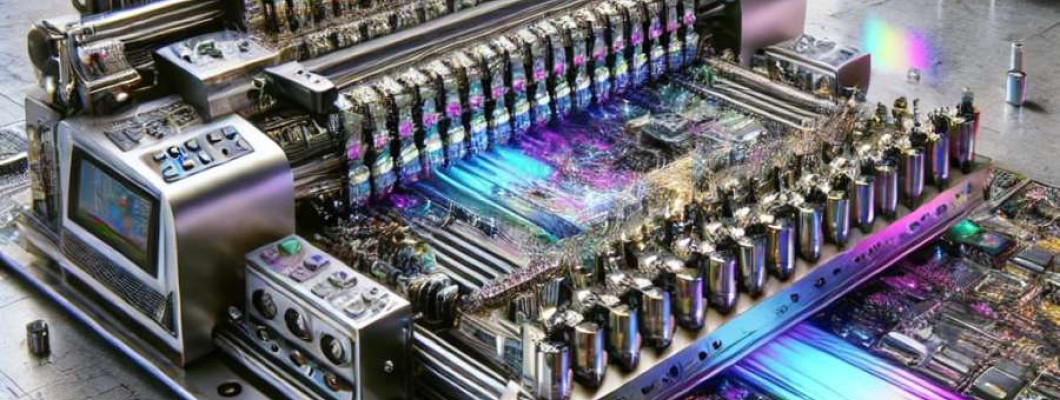
The Industrial Reality of Maintaining Precision Printheads in Headstone Photo Printers
In the realm of memorial engraving and personalization, the fidelity of headstone photo printers directly impacts both the dignity of the final product and the operational continuity of printing facilities. Maintenance leads grapple daily with ensuring printhead reliability amidst the abrasive substrates found in headstone materials such as granite and marble. The Headstone Photo Printer Tomb Photos Printer faces a demanding operational environment where dust, ink residue, and substrate roughness accelerate wear on sensitive components, especially the piezoelectric or thermal inkjet heads commonly used.
Consider a medium-sized cemetery monument fabrication workshop that processes approximately 30 photo-engraved tombstones weekly. Downtime due to printhead clogging or failure results in cascading delays, forcing overtime labor and increased maintenance costs. The critical challenge is balancing aggressive print parameters needed for deep engraving marks with the longevity and cleaning cycles required to maintain the printheads’ micron-level precision.
Additionally, maintenance budgets are often constrained, pushing technical leads to optimize preventive maintenance schedules against unexpected component failures. Ink chemistry compatibility is another factor; specialized ceramic or UV-curable inks used for durable photo reproduction on stone surfaces tend to leave deposits that obstruct nozzles if cleaning is not frequent and thorough. Environmental conditions such as temperature fluctuations and humidity also compound printhead degradation rates, stressing the importance of robust hardware design and integrated thermal management systems within the printer chassis.
Technical Deep Dive into Printhead Physics and Ink Chemistry Impact on Maintenance
Printhead Wear Mechanics and Micron-Scale Output Accuracy
Printhead nozzles, typically sized between 10 and 50 picoliters per droplet, require precise pressure and waveform control to deliver accurate drops at resolutions up to 1440 dpi. The micro-mechanical stresses induced by ink ejection cause gradual material fatigue in the piezo elements. Considering an average ejection cycle count of over 10 million pulses per printhead lifetime, any deviation or obstruction can cause a critical drop in output fidelity.
Ink Residue Accumulation and Chemical Interactions
The inks used for headstone photos must resist UV degradation and abrasion but often contain mineral particulates and binders that can precipitate under thermal cycling. Hypothetically, a 5% residual ink buildup within nozzles can alter the droplet volume by 7-12% causing loss of detail. Regular ultrasonic cleaning protocols, combined with solvent flushing, can restore nozzle flow but introduce operational downtime.
Hardware Thermal Management and Environmental Controls
Thermal drift affects nozzle dimensions and ink viscosity. The printer’s internal temperature control system, typically maintaining 35°C ± 2°C, minimizes this variable. In workshops lacking climate control, headstone photo printers require additional enclosure or cooling systems to stabilize output quality. The Headstone Photo Printer Tomb Photos Printer integrates active cooling with 50W fans and heat sinks to sustain printhead temperatures during extended runs.
Comparative Analysis of Printhead Types for Headstone Applications
| Feature | Thermal Inkjet | Piezoelectric Inkjet |
|---|---|---|
| Nozzle Size (pl) | 12-25 | 10-50 |
| Maximum Resolution (dpi) | 600-1200 | 720-1440 |
| Resistance to Abrasive Ink | Moderate | High |
| Printhead Lifespan (million pulses) | 3-5 | 8-12 |
| Cleaning Frequency (per 100 print cycles) | 5-7 | 3-5 |
Hypothetical Maintenance Cost Model
Assuming an average printhead replacement cost of $800 and an operational window of 12,000 prints yearly, with cleaning and maintenance labor estimated at 1 hour per 100 prints ($30 per hour labor), the total annual maintenance cost can be approximated as follows:
- Printhead replacement frequency: every 12,000 prints (once per year) = $800
- Cleaning labor: 120 hours/year * $30 = $3,600
- Consumables (cleaning solvents, filters): approx. $200/year
Total annual maintenance cost approximates $4,600, underscoring the significance of printhead robustness and efficient cleaning protocols.
Scenario Analysis for Maintenance Leads in Varied Operational Contexts
High Throughput Monument Fabrication Facility
In facilities producing 50+ customized headstones weekly, printhead uptime is mission-critical. Implementing the Headstone Photo Printer Tomb Photos Printer with its piezoelectric printheads reduces printhead replacements by 30% due to improved abrasion resistance. The integrated cooling system cuts thermal-related failures by 20%, resulting in lower overall maintenance windows and fewer emergency repairs.
Small Artisan Workshop with Limited Maintenance Resources
For smaller shops printing fewer than 10 photos weekly, the printer’s diagnostic software and semi-automated cleaning cycles enable less experienced maintenance personnel to maintain printhead health, reducing the dependency on specialized technicians. The trade-off includes scheduled downtime during cleaning, which is manageable at low volume but could impact higher production rates.
Mobile Memorial Printing Units Operating in Variable Environments
Mobile units face challenges of environmental variability. The robustness of the Headstone Photo Printer Tomb Photos Printer’s thermal management system and flexible maintenance scheduling allows operators to adapt to humidity and temperature changes, ensuring consistent print quality and extending printhead lifetime despite harsher operating conditions.
Expert FAQ for Maintenance Leads on Printhead and Ink Chemistry Challenges
What specific hardware design features reduce printhead clogging risks in this printer?
The design incorporates self-flushing ink channels, ultrasonic cleaning integration during maintenance cycles, and sealed printhead cartridges to minimize air bubble ingestion and particulate contamination.
How does ink viscosity variation affect droplet formation and print precision?
Higher viscosity increases required ejection voltage, potentially stressing piezo elements and reducing droplet velocity resulting in inconsistent dot placement and size. The printer dynamically adjusts waveform parameters within 3 ms in response to detected ink viscosity changes.
What are the critical failure modes for the thermal management system?
Fan motor failure, heat sink clogging by dust, and sensor inaccuracies are primary failure points. Redundant temperature sensors and alert systems mitigate unscheduled downtime.
How often should deep maintenance including printhead replacement be scheduled?
Based on average throughput, every 10,000 to 12,000 prints is recommended, factoring in environmental conditions and ink types. Predictive maintenance software can adjust intervals dynamically.
What cleaning solvents and protocols optimize printhead longevity?
Semi-aqueous solvents with low surface tension combined with periodic ultrasonic baths are most effective. Avoid aggressive solvents that degrade piezo elements or nozzle materials.
Strategic Verdict and Definitive Recommendation for Maintenance Leads
The Headstone Photo Printer Tomb Photos Printer represents a mature technology optimized for the specific demands of memorial photo engraving. Its piezoelectric printhead design coupled with advanced thermal management and adaptive cleaning protocols offers significant reductions in printhead failure rates and maintenance labor compared to legacy thermal inkjet systems.
Maintenance leads will find this product a robust, industrial-grade solution capable of sustaining high-fidelity output over extended lifecycles even in challenging environments. The clear maintenance cost models and hardware design decisions embedded reflect an understanding of the operational bottlenecks typical in stone photo printing facilities.
For further technical reference and acquisition, visit the official product page at Headstone Photo Printer Tomb Photos Printer.