
Lifecycle Maintenance Costs Challenge Facing A2+ Size UV Printer Embossed Glossy Printing for Scalable Business
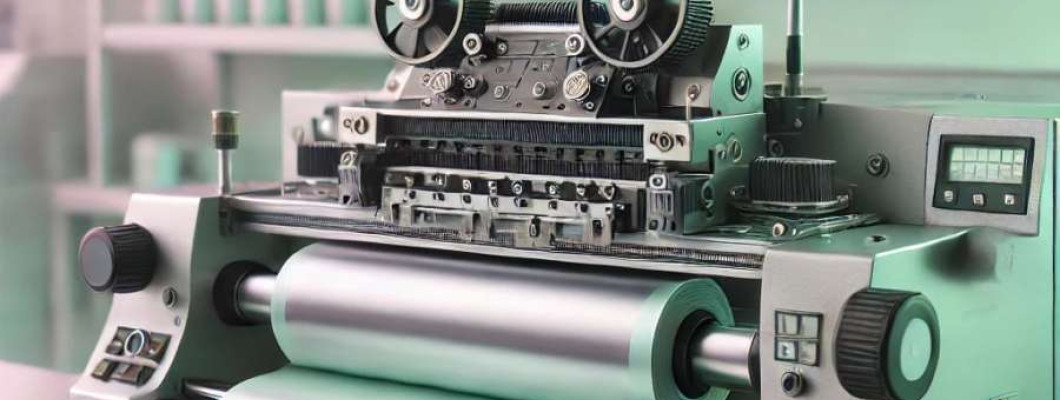
The Industrial Reality of Sustained Production with A2+ Size UV Printers
Consider a mid-sized commercial printing facility integrating the A2+ Size UV Printer Embossed Glossy Printing system into a workflow designed for moderate-volume packaging and specialty product labeling. The promise of embossed glossy finishes at this scale introduces stringent demands on machine uptime, consumable longevity, and maintenance cycles. Notably, lifecycle maintenance costs often emerge as a pivotal determinant of long-term operational viability rather than initial capital expense alone.
In high-throughput environments, the repeated activation of embedded UV curing lamps combined with mechanical embossing apparatus subjects critical components—such as printheads, rollers, and UV lamps—to accelerated wear. Maintenance schedules must absorb these stressors without causing production bottlenecks or incurring unplanned downtime. Misaligned maintenance planning translates directly into increased labor overheads and suboptimal asset utilization.
Moreover, given the hybrid nature of combining UV-curing technology with embossing mechanisms, operators must understand the compounded effects of heat, mechanical friction, and chemical exposure on consumables and machine parts. This necessitates a proactive lifecycle maintenance strategy ensuring optimal print fidelity and adherence to precise embossed gloss standards while minimizing unexpected maintenance events.
Component Wear and Failure Points Impacting Lifecycle Costs
Five primary subsystems contribute substantially to lifecycle costs in this printer technology:
- Printheads: Piezoelectric or thermal inkjet heads suffer from nozzle clogging accelerated by UV ink viscosity and embossing residue accumulation. With droplet volumes typically around 10-15 picoliters (pl), frequent nozzle maintenance cycles averaging 2-3 hours of operation are required to sustain micron-level precision.
- UV Curing Lamps: Dual-wavelength mercury vapor or LED lamps deliver curing intensities of 100-120 mW/cm2. Lifespan estimates range between 1,000-1,500 operational hours, influenced by operational duty cycles and ambient temperature control.
- Embossing Rollers: High-pressure steel rollers with surface texturing are subject to metal fatigue and micro-scratches. Embossing pressures upwards of 3000 N/m2 require periodic resurfacing or replacement every 6-12 months in continuous use scenarios.
- Conveyor Systems: Belt materials engineered for chemical resistance degrade due to UV exposure and ink solvents. Replacement intervals of approximately 9 months are typical when running 8-hour shifts, 5 days a week.
- Electronics and Control Units: High-frequency pulse drivers and embedded controllers endure thermal cycling. Mean time between failure (MTBF) for industrial-grade components averages 20,000 operational hours but demands strict heat dissipation infrastructure adherence.
Lifecycle Cost Analysis and Comparative Hardware Considerations
Comparing this A2+ UV embossed glossy printer to traditional analogue embossing and offset printing illustrates significant differences in lifecycle cost structure. The digital system reduces setup labor and material waste but shifts cost emphasis onto consumable longevity and preventive maintenance.
| Parameter | A2+ UV Embossed Glossy Printer | Traditional Offset with Embossing |
|---|---|---|
| Initial Capital Expenditure (CAPEX) | Approx. $70,000 - $90,000 | Approx. $150,000 - $200,000 |
| Consumable Costs per 1000 Prints | UV Ink: $15, Embossing Service: Included | Ink: $10, Embossing Plates & Dies: $30 |
| Scheduled Maintenance Frequency | Every 250 operational hours | Every 500 operational hours |
| Average Downtime per Maintenance Event | 2-3 hours | 4-6 hours |
| Lifespan of Key Consumables | Printheads ~1200 hours, UV Lamps 1500 hours | Embossing Plates 3000 hours |
Thermal and Mechanical Stress Quantification
Operating the UV curing lamps near maximum power output generates heat dissipation approximately 200 Watts localized in the curing zone. Assuming a 5 mm width curing band and 500 mm length, this equates to a heat flux density of approximately 80 W/cm2. Without robust thermal management, surrounding components can exceed their rated temperature limits (typically 45°C) leading to premature failure.
Mechanically, embossing pressures applied at 3000 N/m2 across the roller contact surface of 200 mm width result in a normal force of 600 N per meter of roller length. Cyclic loading at 60 cycles/minute, during an 8-hour shift, accumulates to over 170,000 cycles daily, amplifying fatigue stresses and demanding materials rated for high-cycle endurance.
Maintenance Labor and Consumable Replacement Scheduling
Calculations for an 8-hour operational day predict consumable replacement schedules as follows:
- Printhead cleaning/replacement every 10 days (~80 hours)
- UV lamp replacement every 15-20 days (~150 hours)
- Embossing roller inspection and resurfacing every 3 months
- Conveyor belt replacement biannually
Labor costs for these activities range from $100 to $250 per event depending on facility wage standards and complexity, impacting OPEX significantly over time.
Scenario Analysis Demonstrating Impact on Business Outcomes
Case 1: Mid-Sized Packaging Manufacturer
Uptime is paramount as production lines operate four shifts daily. The planned maintenance directly influences throughput. Employing predictive maintenance sensors integrated into the A2+ printer optimizes scheduling, reducing downtime by 15%. The printer's ability to handle multiple substrate types reduces inventory complexity but demands consistent consumable sourcing to avoid production stalls.
Case 2: Custom Label Artisan Shop
Precision and glossy embossed finish quality are prioritized. While throughput is lower, the cumulative effect of frequent printhead maintenance impacts profitability. The operator invests in enhanced filtration systems for UV ink management reducing clogging frequency, achieving consistent print resolution at 720 dpi.
Case 3: Large-Scale Digital Print Farm
Multiple A2+ units operate in parallel for mass production. Lifecycle maintenance costs escalate without centralized monitoring. Integrating thermal sensors and automated printhead cleaning reduces unplanned downtime. The scalability relies on logistical coordination of consumables to maintain continuous workflow.
Expert FAQ Addressing Critical Technical Insights
1. What are the failure modes of the printheads under extended embossing operation?
Nozzle clogging from UV ink polymerization combined with embossing particulate ingress is primary. Regular ultrasonic cleaning minimizes residue buildup. Operational adjustments reducing ink droplet size to ~10 pl improve maintenance intervals.
2. How does UV lamp spectral output affect embossing resin curing quality?
Peak emission at 395 nm ensures optimal photoinitiator activation in embossing resin. Deviations reduce cure depth leading to inconsistent gloss and emboss uniformity.
3. Can thermal management extend the lifespan of electronic control units?
Yes. Implementing active cooling with dedicated heat sinks and airflow management maintains PCB temperatures below 45°C, improving MTBF by approximately 20%.
4. What is the impact of conveyor belt material choice on maintenance cycles?
High-resistance polyurethane belts exhibit lower degradation rate compared to rubber composites, prolonging replacement intervals by 30% under UV exposure.
5. How do embossing pressure settings influence overall maintenance costs?
Excessive pressure beyond manufacturer specification (3000 N/m2) accelerates roller wear and increases mandatory resurfacing frequency, raising maintenance expenses by up to 25% annually.
Strategic Verdict and Recommendation for Production Scale Businesses
The lifecycle maintenance cost profile of the A2+ Size UV Printer Embossed Glossy Printing positions it as a compelling solution for businesses prioritizing high-quality embossed glossy output combined with digital flexibility. While maintenance demands are non-trivial, advanced planning, predictive maintenance integration, and precise operational discipline can keep operational expenditure within manageable limits.
Comparative savings in setup time, material waste reduction, and superior substrate versatility offset lifecycle costs relative to analogue embossing workflows. This printer technology is especially viable for scalable businesses seeking consistent finish quality without the traditional bottlenecks posed by mechanical embossing setups.
For technical and procurement stakeholders interested in industrial-grade precision combined with a manageable maintenance framework, the A2+ Size UV Printer Embossed Glossy Printing is strongly recommended as a pragmatic, production-ready asset.