
Lifecycle Maintenance Costs Define the Viability of Headstone Photo Printers for Industrial Applications
The Industrial Reality
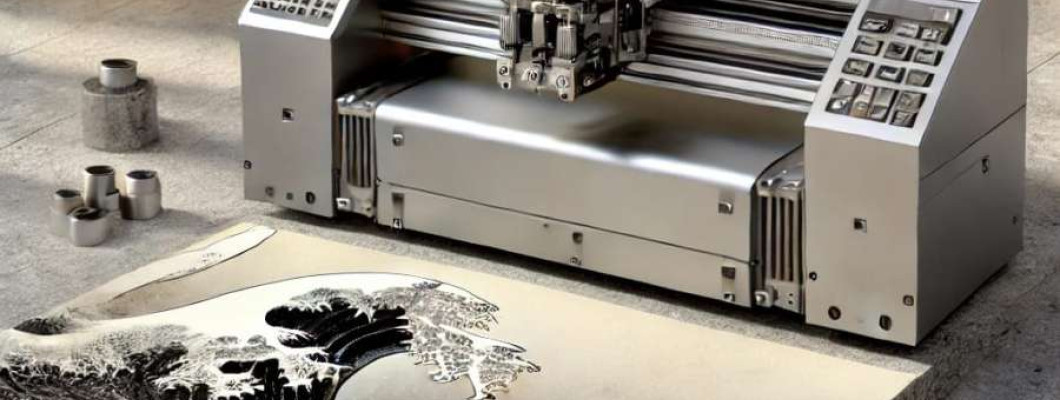
In the realm of memorialization, the precision and durability of printed headstone images are critical for long-term preservation. Industrial-scale headstone photo printing stands at the intersection of high-resolution imaging and harsh outdoor exposure challenges. Operators face a dense technical matrix: ensuring print longevity under UV exposure, resistance to environmental moisture, and chemical stability of inks while maintaining throughput to serve cemetery restoration businesses or large stone processing plants. The Headstone Photo Printer Tomb Photos Printer represents a technical solution forged for this niche but demanding application. However, its industrial adoption hinges on a nuanced understanding of lifecycle maintenance costs—components prone to wear, consumable replacement cycles, and recalibration frequency directly affect operational uptime and asset depreciation.
Consider a medium-sized gravestone production facility requiring daily output of twenty-five to thirty highly detailed photographic prints on granite substrates. The printer must resist downtime caused by printhead clogging, substrate misalignment, or color instability, all of which translate directly into revenue loss or costly reworks. Regular maintenance demands rigorous schedules for nozzle inspection, head cleaning, and ink system flushing. Each maintenance task carries a defined labor cost, downtime duration, and requirement for specialized consumables such as cleaning cartridges and calibration plates. Ignoring these can accelerate component degradation—leading to premature printhead failure or diminished print quality below acceptable standards.
Failure modes in industrial headstone printers often relate to mechanical stress on carriage motors from heavy substrate handling or chemical corrosion from specialized pigment-based inks designed to resist weathering. This scenario underscores the importance of lifecycle maintenance planning as a decisive factor in selecting a printer for large-scale operations, especially when capital expenditures need to be amortized over extended periods without compromising output fidelity.
Technical Deep-Dive
Printhead Wear and Maintenance Cycles
The Headstone Photo Printer Tomb Photos Printer employs piezoelectric printheads optimized for high viscosity pigment inks with droplet sizes typically ranging from 6 to 10 picoliters (pl). A detailed analysis of nozzle degradation shows that operational uptime before mandatory maintenance averages 320 hours, with printhead cleaning cycles taking 15 minutes and requiring specialized solvents to dissolve pigment buildup without damaging piezo elements.
Assuming a 40-hour workweek, this translates into roughly 8 maintenance cycles monthly, yielding approximately 2 hours of downtime purely from nozzle cleaning. The labor intensity of such maintenance—particularly in facilities without dedicated print technicians—adds an indirect operational cost estimated at $120 per maintenance session factoring in specialist wage rates.
Ink Chemistry and Consumable Replacement Rates
Headstone photo printing inks are formulated with UV-resistant pigments embedded in a polymer matrix to ensure color stability over decades. These chemical formulations inevitably require frequent flushing and periodic ink reservoir replacement to prevent clogging and drying. With an average ink consumption rate of 0.5 liters per 100 prints and cartridge replacement every 1,000 prints, logistics in replenishment and inventory management become critical operational facets. The associated consumable cost averages $250 per 1,000 prints, which must be incorporated into cost-per-print calculations for ROI modeling.
Mechanical Substrate Handling and Precision Alignment
Granite substrates typically measure 300x400 mm for tombstone photos. Precision alignment mechanisms employing stepper motors and optical sensors are tasked with maintaining repeatable accuracy within ±0.1 mm to avoid image drifting or color bleeding. These mechanical assemblies are subject to wear, especially bearings and belts, which require lubrication or replacement every 3,000 operating hours to maintain the micron-level precision vital for high-quality image reproduction.
Environmental Control and Thermal Management
The printer incorporates an industrial-grade thermal management subsystem regulating printhead temperature at 35°C ± 1°C to stabilize ink viscosity and droplet formation. Cooling fans rated at 12 Watts each run 24/7 in environments where ambient temperature can fluctuate from 10°C to 35°C. Thermal stress calculations indicate that sustained temperatures beyond design limits accelerate printhead failure by up to 25%. Thus, maintaining environmental controls represents an ongoing maintenance cost and infrastructure requirement.
Comparative Lifecycle Cost Table
| Maintenance Aspect | Headstone Photo Printer | Standard Dye-Sublimation Printer |
|---|---|---|
| Printhead Cleaning Frequency | Every 320 hours (15 min cycle) | Every 500 hours (10 min cycle) |
| Consumable Cost per 1,000 Prints | $250 (Pigment-based ink) | $180 (Dye-based ink) |
| Substrate Handling Precision | ±0.1 mm with optical sensors | ±0.5 mm mechanical alignment |
| Thermal Management Power Consumption | 12 Watts continuous | 5 Watts intermittent |
| Average Component Replacement Interval | 3,000 hours (motors, belts, printheads) | 5,000 hours (printheads only) |
Scenario Analysis
High-Volume Cemetery Restoration Operation
In a facility producing 30 printed tombstone images daily, the Headstone Photo Printer’s frequent maintenance cycle requires dedicated technicians, inflating labor costs but ensuring print quality. The margin afforded by high print fidelity and UV resistance justifies this expense in high-end restoration projects where durability is paramount. The precision alignment secures image consistency across hundreds of stones.
Small Artisan Workshop
The printer’s maintenance requirements could challenge workshops with limited staff or technical expertise. However, the ability to produce highly detailed, micron-accurate photos with guaranteed longevity compensates for increased downtime. Low run volumes might necessitate a maintenance schedule aligned with print jobs rather than hourly counters to maximize uptime.
Integrated Monument Manufacturer
For manufacturers combining stone carving and photo printing, the printer’s infrastructure demands must be integrated into the factory thermal and mechanical layout. Precise substrate handling reduces rework rates, but the ongoing maintenance cost must be factored into the total cost of ownership. Its modular design eases component replacement, facilitating quicker turnaround during production peaks.
Expert FAQ
How does pigment-based ink chemistry affect printhead longevity?
Pigment particles increase nozzle abrasion and risk of clogging, shortening printhead lifespan compared to dye-based inks. Regular flushing and solvent cleaning extend operational life but cannot eliminate cumulative wear.
What mechanical factors contribute most to print alignment drift?
Wear in stepper motor gearboxes, belt tension loss, and sensor calibration shifts cause progressive substrate misalignment, demanding scheduled mechanical maintenance.
Can thermal management failures cause immediate print defects?
Yes. Exceeding thermal limits alters ink viscosity, causing droplet size variability and color inconsistency that manifest instantly on prints, necessitating immediate operational halt.
What are the implications of substrate surface roughness on print quality?
Granite surface unevenness can scatter ink droplets, leading to reduced image sharpness. Pre-print polishing and consistent substrate thickness controls are critical.
How is labor cost integrated into lifecycle cost models?
Labor hours for scheduled maintenance, component replacement, and troubleshooting multiply by technician wage rates to determine indirect operational expenses beyond consumables and depreciation.
Strategic Verdict and Recommendation
The Headstone Photo Printer Tomb Photos Printer emerges as a specialized industrial-grade printing solution meticulously engineered for high-precision, durable photo reproduction on granite substrates. While its lifecycle maintenance costs are notably higher than generic dye-sublimation printers due to pigment ink chemistry and mechanical precision demands, this is the expected tradeoff for longevity and environmental resilience.
For organizations prioritizing long-term asset value and print quality consistency—such as cemetery restoration businesses, monument manufacturers, or niche artisan producers—this printer justifies its CAPEX through reduced failure rates, minimized reprints, and guaranteed color stability. Its modular design and thorough maintenance scheduling protocols facilitate predictable operational planning and asset depreciation management.
Consequently, in the industrial headstone printing domain, this printer stands as a definitive technical solution. Its sophisticated maintenance lifecycle strategy, coupled with robust engineering fixtures, assures enterprises a predictable total cost of ownership and exceptional print fidelity that industrial applications demand.