
Lifecycle Maintenance Costs Define True Value of A3 Spot UV Printing Machine UV Coating Printer
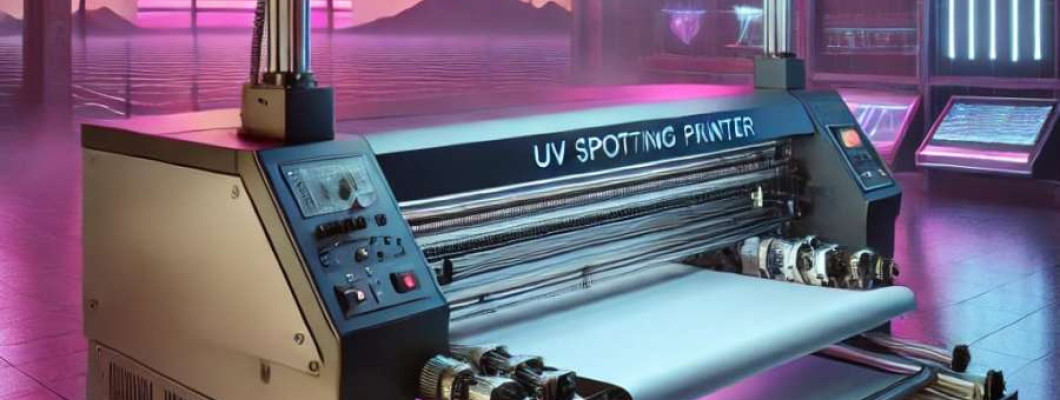
The Industrial Reality of Lifecycle Maintenance Costs in UV Spot Coating
Industrial printing environments tasked with advanced finishing techniques face a persistent challenge: balancing sophisticated output quality with sustainable operational upkeep. The A3 Spot UV Printing Machine UV Coating Printer introduces a promising solution for precision UV coating on varied substrates, yet this promise must be critically measured against the comprehensive costs embedded in lifecycle maintenance.
Consider a mid-sized print finishing workshop specializing in boutique packaging and promotional materials. The choice of a spot UV printer is governed not merely by upfront capability but by its day-to-day durability under continuous load, the reliability of its UV curing system, and the wear on moving components such as rollers, printheads, and vacuum beds. Downtime due to component failure or suboptimal maintenance cycles directly translates into lost productive hours and tighter scheduling buffers, impacting delivery commitments.
Lifecycle maintenance costs also encompass consumables, calibration routines, and potential software updates for precision control of UV output intensity and coating thickness. Further, these costs must be integrated with factory safety mandates regarding UV exposure and compliance with local environmental regulations on volatile organic compounds (VOCs) emitted during curing.
Thus, the industrial reality positions lifecycle maintenance as a determinative factor in selecting any UV coating printer. An accurate, data-driven evaluation of maintenance intervals, parts longevity, and interventional complexity becomes paramount in assessing the true total cost of ownership (TCO).
Technical Deep-Dive Into Lifecycle Maintenance Costs
UV Curing Lamp and Module Longevity
The A3 Spot UV Printing Machine typically employs medium-pressure mercury vapor lamps or LED UV modules. Assuming a conventional mercury lamp rated at 8000 operational hours with a power consumption of 160W per lamp, the replacement cycle is approximately every 10-12 months under moderate use (20 hours/week).
LED modules, conversely, extend the lifespan typically to 20,000 hours but come with higher initial capital expense. This introduces a trade-off between maintenance frequency and upfront CAPEX. The lamp intensity decay curve also impacts curing consistency, necessitating periodic calibration, which is an added maintenance task.
Moving Components and Wear Simulation
The printhead carriage, vacuum bed actuators, and substrate feed rollers are subject to wear stresses influenced by ambient humidity, substrate abrasiveness, and operational speed. Assuming substrate handling at 300 sheets per hour with continuous operation, roller bearings can experience fatigue-related degradation within 18-24 months. Lubrication schedules must be rigorously maintained, and replacement parts must be compatible with OEM specifications to avoid print quality drift.
Ink Chemistry and Coating Residue Impact on Printheads
Spot UV coating ink viscosity and solids content directly influence nozzle health. Higher solids content ink may cause faster nozzle clogging, increasing maintenance cycles. A typical maintenance protocol might require daily printhead cleaning using solvent-based flush solutions, amounting to approximately 30 minutes of technician labor per shift.
Software Updates and Calibration Intervals
Precision UV coating demands fine-tuned control over UV intensity and exposure time. Software updates that optimize these parameters while adjusting for environmental factors like temperature and humidity are essential. Annual recalibrations, typically 2-4 hours, help maintain micron-level thickness control, critical for high-value packaging applications.
Environmental Compliance Costs
VOC emissions monitoring and ensuring that exhaust air treatment systems operate efficiently introduce indirect maintenance requirements. Filters and scrubbers require scheduled replacements every 6 months, adding to consumable costs and necessitating trained personnel for inspection and replacement activities.
| Maintenance Aspect | Mercury Lamp UV System | LED UV Module System |
|---|---|---|
| Lamp Lifespan (hours) | 8,000 | 20,000 |
| Initial Cost | Lower | Higher |
| Replacement Frequency (Annualized) | ~1.0 | ~0.4 |
| Average Power Consumption (Watts) | 160 | 120 |
| Maintenance Downtime per Cycle (hours) | 2 | 1.5 |
| Calibration Requirement | Quarterly | Bi-annual |
Scenario Analysis With Lifecycle Costs in Different Business Models
1. Boutique Packaging Specialist
Here, micron-level spot UV precision and substrate versatility are essential. The A3 Spot UV Printing Machine's maintenance cycle emphasizes frequent printhead cleaning and calibration to maintain artistic standards. Choosing LED UV modules reduces downtime, supporting tight production schedules required by high-end clients.
2. Mid-Sized Commercial Printer
This scenario focuses on operational uptime. Lifecycle maintenance highlights a balanced approach with mercury lamps due to budget constraints but requires stringent part replacement schedules and skilled maintenance staffing to avoid bottlenecks.
3. High-Volume Promotional Material Producer
Throughput demands push printer utilization to the limits. Rapid wear on rollers and printheads mandates an aggressive maintenance routine. Lifecycle costs escalate due to consumable replacements, but LED UV systems may offer better efficiency and reduced thermal load, preserving component integrity longer.
Expert FAQ Addressing Lifecycle Maintenance Challenges
- How does UV lamp wear affect print quality over time?
- As the lamp ages, its intensity output decreases non-linearly, resulting in uneven curing and potential gloss inconsistency, leading to increased rejects unless recalibrated or replaced timely.
- What are the critical parameters in setting preventive maintenance schedules?
- These include actual operational hours, substrate types and abrasiveness, environmental factors like dust and humidity, and real-time defect rates from quality control data.
- Can software updates significantly reduce maintenance frequency?
- Yes. Improved algorithms optimize UV exposure dynamically, reducing unnecessary curing intensity and mitigating thermal strain on components.
- How do environmental regulations shape maintenance protocols?
- Strict VOC emission limits require regular filter replacements and system monitoring, necessitating scheduled inspections impacting maintenance downtime planning.
- Are aftermarket parts advisable for component replacement?
- OEM parts guarantee specification adherence, reducing risk of print defects and premature failure though at higher cost. Aftermarket parts may reduce CAPEX but elevate maintenance risks and hidden costs.
Strategic Verdict and Recommendation
After a data-driven examination of lifecycle maintenance costs related to the A3 Spot UV Printing Machine UV Coating Printer, it emerges as an industrial-grade printing asset that balances operational precision with manageable maintenance demands. Its modular design permits either mercury or LED UV curing systems, allowing customization to specific business priorities ranging from upfront investment to long-term uptime.
For enterprises prioritizing reliability and throughput, LED UV integration minimizes maintenance frequency and downtimes, preserving high-quality spot coating performance critical to competitive differentiation. Maintenance teams benefit from clear predictive schedules supported by the printer’s diagnostic software suite.
In sum, the machine’s comprehensive lifecycle maintenance strategy—encompassing consumables, calibration, and environmental compliance—positions it as a viable, high-value investment for companies seeking robust, precise UV coating solutions. Detailed technical documentation and OEM support infrastructure further reinforce the prudent acquisition choice.
This detailed analysis supports the recommendation of the A3 Spot UV Printing Machine UV Coating Printer as the definitive solution to meet the demanding needs of industrial spot UV finishing operations.