
Lifecycle Maintenance Costs Drive Viability of A2 Plus UV Embossed Glossy Printing
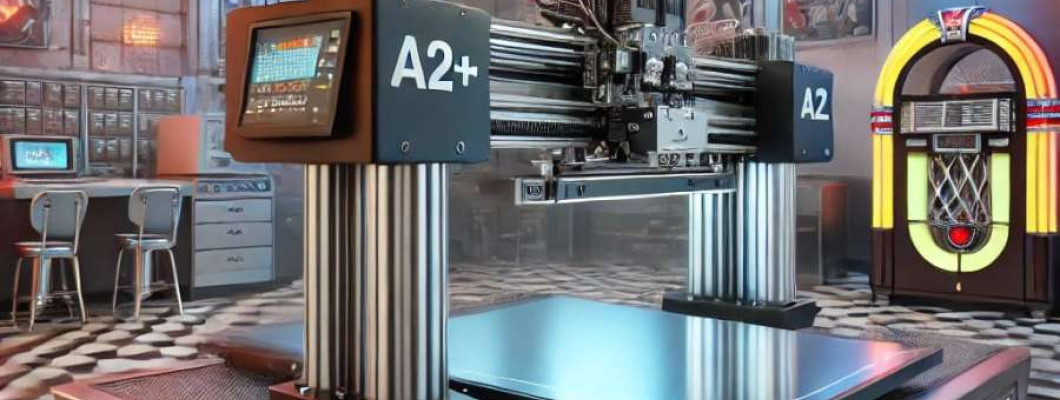
The Industrial Reality of Embossed Glossy UV Printing on A2 Plus Substrates
Transitioning from smaller-scale or DIY UV printing systems to industrial-grade solutions becomes a complex equation when factoring lifecycle maintenance costs. The A2+ Size UV Printer Embossed Glossy Printing technology introduces a precision-intensive process designed to elevate surface finishing standards with embossed effects on glossy substrates. This setup operates at a print bed dimension around 420 x 594 mm with UV-curable inks engineered for glossy finishes. However, increasing output size and integrating embossing features impose additional mechanical stress and ink curing requirements, leading to potential maintenance bottlenecks.
Industrial users face challenges in sustaining machine calibration over extended production cycles and managing wear on printheads exposed to specialized UV inks that often contain abrasion-resistant polymers. The intricacies of embossed printing add further complexity: precise layer stacking, dimensional consistency, and UV lamp aging all impact maintenance frequency and costs. In practice, scheduled downtime for recalibration and part replacement influences throughput and operational expenditure.
Such challenges necessitate a detailed analysis of the printer's maintenance architecture to forecast total cost of ownership accurately. While initial capital investment is notable, the true industrial viability is dictated by the interplay between machine robustness and predictable maintenance cycles.
Technical Deep-Dive on Maintenance Stress Points and Operational Limits
Printhead Wear and Ink Chemistry Compatibility
Embossed glossy printing demands larger ink droplet volumes, often in the 10-30 picoliter (pl) range, increasing viscosity-related nozzle strain. UV ink formulations include photo-initiators and polymer binders prone to residue buildup. Assuming a nozzle ejection cycle frequency of 50,000 drops/sec across 4 color channels, the cumulative mechanical wear accelerates with insufficient cleaning protocols, risking nozzle clogging.
UV Lamp Degradation and Thermal Effects
The curing lamps are typically mercury-vapor or LED UV sources operating at 365-405 nm wavelengths. Power consumption per lamp is around 120-180 Watts, producing localized heat spikes reaching 60-70°C on the print surface, risking substrate deformation. Lamp efficiency degrades approximately 10% over 1,500 hours, necessitating replacement or recalibration to maintain consistent embossing quality.
Mechanical Precision Under Embossed Layer Stress
Embossed printing requires layer stacking with micron-level positional accuracy. Mechanical actuators controlling the Z-axis must maintain ±0.01 mm repeatability. Vibrations or backlash outside this tolerance result in layer misalignment, negatively affecting gloss uniformity and tactile emboss effect. High-rigidity linear guides and precision ball screws are essential but require periodic lubrication and backlash compensation calibration.
Comparative Raw Data Analysis versus Standard Flat UV Printers
| Specification | Standard Flat UV Printer | A2+ Embossed Glossy UV Printer |
|---|---|---|
| Max Print Area (mm) | 320 x 460 | 420 x 594 |
| Ink Volume per Drop (pl) | 8-15 | 10-30 |
| Printhead Cycle Frequency (drops/sec) | 40,000 | 50,000 |
| UV Lamp Power (W) | 100-120 | 120-180 |
| Maintenance Interval (hours) | 500-700 | 350-500 |
| Z-axis Positional Accuracy | ±0.05 mm | ±0.01 mm |
Hypothetical Maintenance Cost Model
Considering operators pay $35/hr and downtime averages 8 hours per maintenance cycle, the effective operational cost grows significantly with reduced maintenance intervals. If a standard flat UV printer requires maintenance every 600 hours, and the embossed glossy printer demands service every 400 hours, the comparative downtime cost per 2,400 operational hours is:
Standard: (2400/600) x 8hr x $35 = $1,120
Embossed: (2400/400) x 8hr x $35 = $1,680
This 50% increase in downtime cost must be balanced against the added value from embossed finishing.
Scenario Analysis of Business Use-Cases
Case 1 Industrial Packaging Manufacturer
For a packaging firm requiring high-gloss, embossed labels on A2 substrates, the precise UV curing and emboss layer stacking offset increased maintenance by reducing product defects. The ±0.01 mm Z-axis accuracy prevents emboss misalignments, cutting rework costs by 12%. However, lamp replacements every 400 hours add $1,000 annually on consumables.
Case 2 Specialty Signage Production House
A signage shop benefits from the printer's expanded print area allowing larger format decals. While the higher printer complexity elevates OPEX, the ability to deliver embossed glossy finishes commands premium pricing. The tradeoff in labor hours spent on printhead maintenance is mitigated by improved product differentiation.
Case 3 In-House Corporate Branding Department
Corporate print centers with moderate volume find the maintenance frequency challenging but manageable due to lower operational hours. The investment in precise mechanics and lamp calibration guarantees consistent output quality for internal branding, preserving schedule integrity despite downtime.
Expert FAQ on Maintenance and Operational Nuances
How does ink viscosity affect printhead maintenance frequency?
Higher viscosity inks used in embossed printing increase nozzle stress and residue buildup, accelerating clogging and necessitating more frequent cleaning cycles.
What is the impact of UV lamp degradation on embossed finish quality?
As lamp intensity decreases over time, curing becomes uneven, causing emboss layers to under-cure leading to reduced gloss and tactile definition.
How critical is Z-axis repeatability in embossed printing?
Extremely critical. Deviations beyond ±0.01 mm cause layer misregistration, compromising emboss precision and gloss uniformity.
What maintenance protocols extend printhead life in this setup?
Implementing automatic cleaning cycles post-run, using compatible ink chemistries, and scheduled manual cleanings reduce wear.
Can thermal expansion from UV lamps affect substrate integrity?
Yes, heat can warp thin substrates if not managed with cooling systems, which is essential to maintain dimensional fidelity during embossing.
Strategic Verdict and Recommendation
The A2+ Size UV Printer Embossed Glossy Printing platform presents a robust industrial-grade solution tailored for enterprises prioritizing precision embossed glossy outputs. The elevated maintenance costs driven by enhanced mechanical precision, aggressive UV lamp cycling, and specialized ink chemistry are justified by superior output quality, reduced rework, and expanded substrate capabilities. Companies aiming to scale embossed printing without compromising operational predictability will find this hardware a definitive asset, provided maintenance protocols are rigorously embedded within workflow planning. Ultimately, the printer’s design reflects a mature balance of print physics and mechanical engineering, positioning it as a leading choice for high-precision industrial print workflows focused on long-term asset longevity.