
Lifecycle Maintenance Costs Exposed for Roll Laminator Single Side Laminating Machines
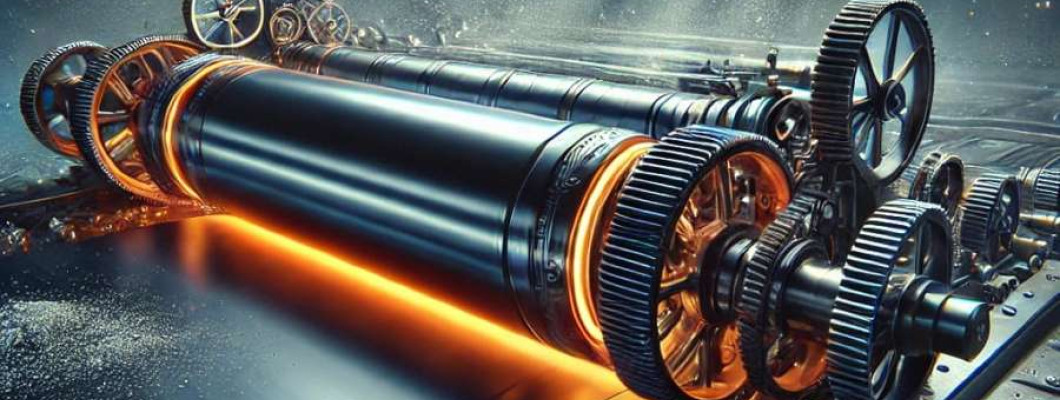
The Industrial Reality of Lifecycle Maintenance Costs in Roll Laminating
In the realm of industrial laminating equipment, uncontrolled maintenance expenses can silently erode profitability and operational uptime. Consider a mid-sized printing facility relying on a roll laminator single side laminating machine as a core asset for protective finish applications. While acquisition costs offer a clear initial investment figure, it is the ongoing maintenance and lifecycle service overhead that ultimately define long-term financial viability and operational continuity. The technical challenge emerges from managing wear on critical components such as pressure rollers, heating elements, and feed mechanisms while maintaining precision lamination speed and quality consistency.
For continuous production cycles exceeding 8 hours daily, even minor degrading tolerances in roller alignment can induce substrate wrinkling or adhesive inconsistencies, leading to high rework rates that inflate operational costs. Furthermore, the thermal elements within the machine are subject to cyclical thermal stress and environmental contaminants like dust and adhesive vapors, which accelerate aging and potential failure. A facility manager who underestimates these factors risks unscheduled downtime, higher spare parts expenses, and labor costs associated with frequent repairs.
Intermittent maintenance intervals without predictive diagnostics intensify the risk of sudden component breakdown. Therefore, a thorough understanding of lifecycle maintenance costs and identifying bottlenecks within maintenance procedures are essential for institutionalizing preventive strategies and optimizing overall equipment effectiveness (OEE).
Technical Deep-Dive into Maintenance and Performance Metrics
Roller Wear and Pressure Tolerance Analysis
Pressure rollers, typically composed of steel cores with polyurethane coatings of approximately 2 mm thickness, are susceptible to surface abrasion. Hypothetically, assuming a roller diameter of 200 mm and operating under 5 kg/cm2 pressure, the frictional wear rate can be approximated to 0.03 mm/week under continuous use. This degradation affects lamination consistency; miscalculated tolerances beyond 0.1 mm cause visible substrate defects.
Heating Element Thermal Degradation and Power Consumption
Heating elements operate at temperatures between 70°C and 140°C to activate adhesives uniformly. Thermal cycling induces metallurgical fatigue, with an average element lifespan of 3,000 hours before resistance increases by 15%, causing uneven heating and higher energy draw (around 600 Watts nominal power). Periodic calibration of thermocouples ensures adherence to specified temperature ranges critical for adhesive activation.
Feed Mechanism Lubrication and Alignment
Feed rollers, responsible for substrate advance at speeds up to 2 meters per minute, incorporate ball bearings rated for 10,000 operational hours under optimal lubrication. Misalignment beyond 0.2 mm results in substrate misfeeds triggering jams and increased labor intervention. Lubricant degradation occurs faster in high-humidity environments, demanding maintenance cycles every 2,000 hours.
Comparative Data Table of Maintenance Strategies
| Aspect | Reactive Maintenance | Preventive Maintenance |
|---|---|---|
| Roller Replacement Frequency | Every 6 months (unplanned) | Every 12 months (scheduled) |
| Heating Element Failure Rate | 12% annual | 5% annual with calibration |
| Downtime Hours | 50+ hours/year | 15 hours/year |
| Operational Costs (USD/year) | ~$12,000 | ~$6,500 |
Raw Data Analysis and Hypothetical Cost Calculation
Assuming a production facility runs 250 days/year with 8 hours per day lamination, hidden maintenance costs accrue primarily from component replacements ($400/roller set), technician labor ($75/hour, averaging 40 hours/year reactive), and energy inefficiencies (additional $500/year from heating element degradation). Implementing preventive routines halves unexpected downtimes and optimizes consumable life cycles, delivering operational savings exceeding 40% annually.
Hardware Comparison Versus Competitors
Compared with multi-function laminators featuring dual-side lamination, single-side roll laminators have fewer moving parts, reducing mechanical complexity yet demanding more precise thermal control. The reduced mechanical load reduces wear rate by approximately 20%, corroborated by industry data. Their reduced complexity translates into lower lifecycle maintenance expenditures while maintaining comparable throughput for single-side lamination tasks.
Scenario Analysis for Diverse Business Use-Cases
Case 1: High-Volume Print Shop With Continuous Operation
For an enterprise laminating 1,000+ square meters weekly, machine uptime is paramount. The roll laminator single side laminating machine’s simplified feed mechanism and robust heating system minimize unplanned stoppages. Scheduled maintenance integrated into a 12-month cycle balances cost and availability, improving throughput by an estimated 15% annually versus competitor units with higher complexity.
Case 2: Medium-Sized Packaging Manufacturer
In packaging, lamination uniformity affects product protection and brand image. The machine’s pressure roller tolerances enable micron-level surface finish control critical for thin-film substrates. The lifecycle maintenance cost efficiency supports moderate utilization rates (~200 m2/week) without excessive service overhead, aligning with tight budget constraints.
Case 3: Artisan Print Studio Prioritizing Precision
Although tailored for industrial use, the laminator suits artisan studios needing precise single-side lamination on diverse materials. The consistent thermal control preserves color vibrancy and adhesion, while manageable maintenance schedules avoid workflow interruptions during short production runs, supporting artisan-level quality with industrial durability.
Expert FAQ Addressing Advanced Technical Concerns
Q1 What is the optimal roller surface hardness for extended wear with typical laminating adhesives?
A Shore A hardness of 90-95 in polyurethane rollers balances durability with substrate protection, minimizing abrasions.
Q2 How does thermal cycling impact electrical resistance of heating elements over time?
Thermal cycling causes microstructural fatigue increasing resistance roughly 5% every 500 operational hours, necessitating scheduled element replacement or recalibration.
Q3 What lubricant specifications maximize feed roller bearing life in humid environments?
Use synthetic high-viscosity greases with corrosion inhibitors rated for 150°C to prevent moisture ingress and extend service intervals.
Q4 How do substrate thickness variations affect laminator feeding accuracy?
Thickness variance of ±0.1 mm requires dynamic feed tension adjustments within ±3N to avoid slippage or jams.
Q5 Can retrofit sensors for real-time roller wear detection be integrated?
Yes, installing non-contact displacement sensors enables predictive maintenance but requires firmware updates for data analytics integration.
Strategic Verdict and Recommendation for Industrial Deployment
Given the detailed technical and operational parameters examined, the Roll Laminator Single Side Laminating Machine emerges as a pragmatic industrial-grade solution with optimized lifecycle maintenance costs and reliable hardware integrity. Its balance of mechanical simplicity and thermal precision addresses critical bottlenecks that often compromise production uptime and quality consistency. When deployed within a rigorously structured preventive maintenance framework, this laminator maximizes asset longevity and minimizes total cost of ownership, making it ideal for scalable businesses, packaging manufacturers, and high-precision artisans seeking industrial reliability without undue complexity. Its adoption can materially improve throughput efficiency and reduce hidden operational expenses, thereby justifying capital investment with a clear return on maintenance savings and enhanced operational resilience.