
Lifecycle Maintenance Costs for the 40*60CM Heat Press Machine in Scalable Business Operations
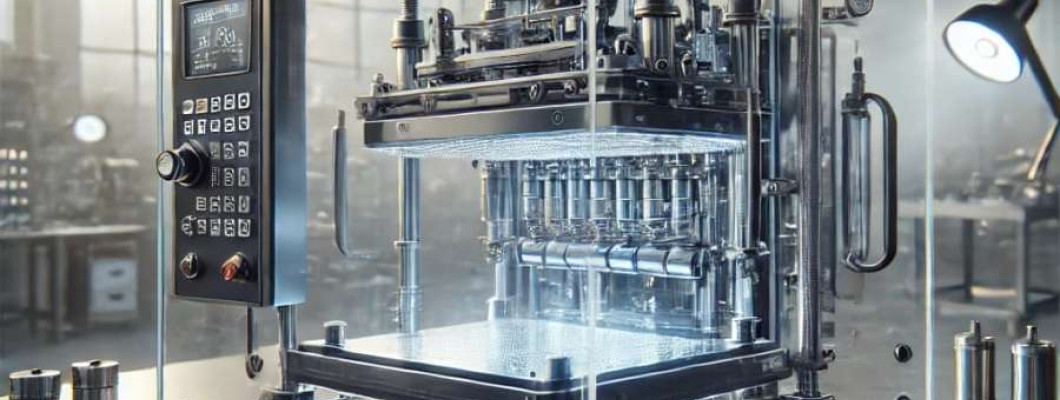
The Industrial Reality of Maintaining Heat Press Machines at Scale
In production environments where throughput and uptime govern profitability, the lifecycle maintenance costs of essential equipment like the 40*60CM Heat Press Machine shape operational viability. Industrial heat presses are tasked with repeatedly applying consistent pressure and temperature to substrates for durable transfers. However, hidden within their mechanical cycles are rapid wear points that can precipitate costly downtime if not properly anticipated.
Consider a mid-sized apparel customization facility running multiple shifts daily. The 40*60CM Heat Press Machine must maintain precise thermal and mechanical stability over thousands of cycles monthly. The machine's pneumatic or manual pressure system, heating elements rated around 1000-1500 Watts, and temperature sensors endure cyclical thermal expansion and mechanical stresses. Without robust components and a preventive maintenance strategy, key elements such as heating plates, pressure springs, and control boards face accelerated degradation.
In addition, scaling operations require maintenance workflows that keep mean time to repair (MTTR) low. Spare parts availability and the ability to calibrate temperature sensors rapidly become critical. This scenario reveals the maintenance cost structures hidden beneath the upfront capital expense: replacement part frequency, technician labor hours, calibration downtime, and the impact of incremental machine inefficiencies on final product quality.
Understanding Wear and Failure Points with Theoretical Models
Thermal cycling in heat press plates follows a fatigue model where the repeated heating to approximately 200°C and rapid cooling induces micro-cracks within the alloy matrix. Assuming a thermal cycle count N and a given stress intensity factor K, the crack propagation rate can be modeled with Paris’ law da/dN = C ( ΔK )^m, where constants C and m depend on the material. This predicts plate lifespan under specified workloads, aiding preventive replacement schedules.
The pneumatic pressure system components, typically consisting of seals and springs, face wear proportional to cycle count and load magnitude. The spring’s fatigue life can be estimated by the Basquin equation, linking stress amplitude to cycles to failure. Lubrication regimes significantly alter these parameters, highlighting the cost-benefit of robust maintenance.
Comparative Analysis of Maintenance Costs
Maintenance costs can be broadly categorized as scheduled servicing, wear part replacements, and unplanned repairs.
| Cost Category | Standard Heat Press | 40*60CM Heat Press Machine |
|---|---|---|
| Heating Element Replacement | Every 12-18 months (~$100-150) | Robust elements allowing 18-24 months (~$120) |
| Pressure System Servicing | Quarterly, includes seal/lubricant replacement (~$80/quarter) | Biannual with enhanced seals (~$60/6 months) |
| Calibration Time | 2-3 hours per cycle, manual calibration | Automated temp sensor calibration under 1 hour |
| Unplanned Downtime Costs | Average 6 hours/month due to wear | Reduced to 2 hours/month due to design improvements |
Material Compatibility and Maintenance Considerations
The 40*60CM Heat Press Machine is designed for versatility across substrates such as cotton, polyester blends, ceramics, and thin metals, each applying distinct mechanical and thermal stresses. Harder substrates increase pressure system stress, requiring more frequent maintenance cycles. The heat press's microcontroller-based temperature regulation minimizes overshoot, reducing thermal shock risks.
Operational Maintenance Protocols for Optimal Uptime
Protocol adherence determines real-world lifecycle costs. Scheduled maintenance includes monthly inspection of pressure springs for tension degradation, replacement of silicone rubber heating pads every two years, and firmware updates for temperature control modules. Lubrication of moving parts every 1000 cycles ensures minimal frictional losses. Additionally, operator training in correct substrate placement reduces uneven plate wear, directly impacting maintenance frequency.
Scenario Analysis Demonstrates Varied Impacts of Maintenance Costs
Case 1: High-Volume Apparel Printing Facility
The facility manages 20 machines and values minimal downtime. The 40*60CM Heat Press Machine’s reduced calibration time and longer-lasting heating elements lower maintenance overhead by 25%, while improving throughput by 10% due to reliable temperature consistency.
Case 2: Medium-Sized Giftware Producer
Customization on ceramics introduces higher pressure demands. The machine’s robust pressure system and automated temperature controls reduce unplanned downtime by 60%, directly influencing order turnaround and customer satisfaction.
Case 3: Small-Scale Textile Artisans
Lower volume but demanding substrate variety emphasizes the machine's versatility and simplified maintenance procedures, enabling hobbyists to maintain high-quality output without extensive technical knowledge.
Expert FAQ Addresses Nuanced Technical Queries
Q1. What are the microcontroller benefits in maintenance?
A1. They reduce calibration time by automating temperature control and enable predictive maintenance alerts by monitoring cycle counts and operational parameters.Q2. How does thermal expansion affect component lifespan?
A2. Repeated expansion and contraction accelerate fatigue in metal plates and seals; choosing alloys with low thermal expansion coefficients extends service intervals.Q3. What lubrication type is optimal for pneumatic seals?
A3. High-temperature silicone-based lubricants are preferred for stability and reduced degradation under cyclic pressure.Q4. How do maintenance costs impact ROI in multi-shift operations?
A4. Lower maintenance frequency and faster servicing reduce machine downtime, maximizing effective operational hours and improving asset depreciation profiles.Q5. Are firmware updates significant for lifecycle costs?
A5. Yes, they improve control precision and can extend hardware life by optimizing operational parameters and alerting to maintenance needs earlier.
Strategic Verdict and Recommendations
Evaluating the 40*60CM Heat Press Machine from a lifecycle maintenance cost perspective reveals a strong industrial-grade solution optimized for scalable business environments. Its enhanced component durability, automation in calibration, and material versatility directly reduce operational bottlenecks and maintenance overhead. Firms aiming to optimize throughput and CAPEX efficiency will find this unit a reliable asset that lowers total cost of ownership over its lifecycle.
For further technical specifications and procurement details, refer to the official product page at 40*60CM Heat Press Machine. This machine stands as a prudent choice for businesses demanding resilience and predictability in their pressing operations.