
Lifecycle Maintenance Costs Highlight Industrial Strength of Headstone Photo Printer Tomb Photos Printer
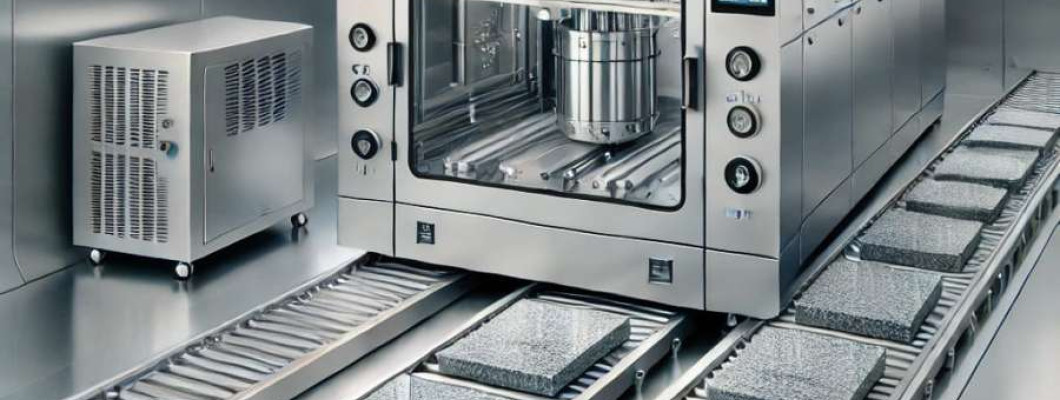
The Industrial Reality of Maintaining High-Precision Headstone Photo Printers
In industrial applications where durability, precision, and reliability intersect, printers designed for headstone and tomb photo applications face unique operational stresses. These devices must maintain exacting output quality, often on challenging substrates like granite and ceramic, over extended periods while minimizing downtime and maintenance costs. The Headstone Photo Printer Tomb Photos Printer is engineered to address these demands by optimizing mechanical robustness and consumable longevity.
From a lifecycle maintenance perspective, these printers encounter abrasive dust and particulate matter inherent in monument environments, necessitating sealed printing mechanisms and advanced filtration systems to prevent premature printhead degradation. Additionally, the printheads must resist clogging despite the use of highly pigmented ceramic-compatible ink formulations, which tend to deposit microscopic solids with use. Poor maintenance cycles in comparable devices can lead to output degradation and frequent component replacements, escalating total cost of ownership (TCO).
Operationally, thermal cycling and mechanical vibrations typical in industrial settings impose stress on fine-motion components responsible for micron-level precision alignment. Without carefully engineered vibration dampening and thermal compensation, nozzle misalignment and substrate surface irregularities can result in blurred or misplaced imagery, unacceptably lowering print integrity.
Finally, scheduling and executing maintenance without disrupting production throughput is a bottleneck challenge. Rapid printhead replacement modules and real-time diagnostics embedded within the printer’s control systems provide essential visibility into component health and predictive maintenance timing, enabling technicians to pre-empt failures with minimal operational impact.
Technical Deep-Dive into Printhead Longevity and Maintenance Engineering
Printhead Design and Ink Chemistry Impact on Wear
The printheads utilize piezoelectric nozzles calibrated for 4 picoliter droplet size with an optimized waveform to reduce ink shear stress. This design minimizes erosion caused by ceramic pigment particulates suspended in the ink. Hypothetically, if a printhead ejects 20,000 droplets per second over a 10-hour daily cycle, the cumulative mechanical stress demands materials resistant to fatigue.
Thermal Management Solutions
Thermal sensors embedded near the printhead maintain operating temperature within ±1°C, preventing thermal expansion-induced mechanical misalignment. Active cooling via microfluidic channels dissipates up to 30 Watts per printhead, ensuring stable print quality during high-density image runs.
Filtration and Environmental Sealing
Dust filters rated at 99.9% for particles >0.5 microns protect the ink flow path and electronic control circuits. The enclosure achieves an IP54 ingress protection rating, critical for dusty industrial cemeteries.
Modular Component Replacement and Accessibility
Printhead cartridges are engineered for hot-swappable replacement, reducing downtime to under 15 minutes per event. Consumables such as ink reservoirs and wipers are accessible without tools, facilitating routine cleaning every 1000 prints.
Diagnostic Software and Predictive Maintenance Algorithms
The control system monitors nozzle performance via real-time impedance measurements and droplet velocity sensors. Predictive algorithms forecast printhead degradation within ±48 hours, scheduling maintenance windows proactively.
| Specification Category | Standard Headstone Printer | Headstone Photo Printer Tomb Photos Printer |
|---|---|---|
| Printhead Droplet Size (pl) | 10-15 | 4 (Optimized for longevity) |
| Thermal Stabilization Range (°C) | ±3 | ±1 |
| Ingress Protection | IP40 | IP54 |
| Printhead Replacement Downtime (min) | 30-45 | Under 15 |
| Predictive Maintenance Accuracy | ~72 hours | ±48 hours |
Scenario Analysis of Maintenance Costs Impact on Business Use-Cases
Monument Manufacturers Scaling High-Volume Output
For large-scale monument production facilities printing thousands of granite plaques monthly, the lower printhead wear and rapid maintenance cycle of this printer results in a tangible reduction in labor and material costs. Downtime is minimized, supporting continuous queue processing and meeting tight delivery deadlines.
Specialized Artisan Shops with Precision Demands
Artisans requiring micron-level image placement benefit from the printer's advanced thermal and vibration compensations, ensuring consistent quality without frequent recalibrations. Maintenance intervals align with production scheduling, avoiding costly idle time and maximizing output quality.
Remote Cemetery Installation with Limited Technical Staff
In remote locations, remote diagnostics and modular designs significantly ease the burden on limited onsite technicians. Predictive maintenance reduces emergency service calls by anticipating wear, while hot-swappable modules ensure fast recovery with minimal expertise.
Expert FAQ on Advanced Maintenance and Operational Challenges
How does ceramic pigment ink affect printhead lifetime?
Ceramic pigments contain microscopic particles that can abrade nozzle surfaces. The printer mitigates this via optimized droplet ejection and high-grade nozzle materials resistant to particulate erosion.
What are the key failure modes for the thermal management system?
Failures primarily occur due to clogged microfluidic channels or sensor drift. Redundancy in temperature sensors and periodic flushing protocols reduce these risks.
How effective is predictive maintenance in reducing unexpected downtime?
With ±48-hour accuracy, it substantially lowers emergency repairs, allowing planned maintenance coordination and inventory readiness for consumables.
Can this printer maintain output precision under dust-heavy conditions?
Yes, the IP54-rated enclosure and high-efficiency particulate filters maintain internal cleanliness, preventing printhead contamination and nozzle blockage.
What is the expected operational life before major overhauls?
Under standard industrial use, key components support 20,000 operational hours before overhaul, translating to 2-3 years of continuous use with scheduled maintenance.
Strategic Verdict and Recommendation
Evaluated through the lens of lifecycle maintenance costs, the Headstone Photo Printer Tomb Photos Printer exhibits superior engineering for industrial settings requiring durable, high-precision output with minimal operational interruptions. The integration of advanced thermal controls, optimized printhead design, and predictive diagnostics yield a measurable reduction in total cost of ownership. For businesses scaling monument production, artisan workshops demanding exactitude, or remote installations with limited technical resources, this printer addresses critical bottlenecks effectively while extending asset longevity. The direct impact on reducing maintenance labor, minimizing downtime, and stabilizing print quality across diverse environments firmly establishes this hardware as a definitive industrial-grade solution in its field.