
Lifecycle Maintenance Costs Influence on Headstone Photo Printer Tomb Photos Printer
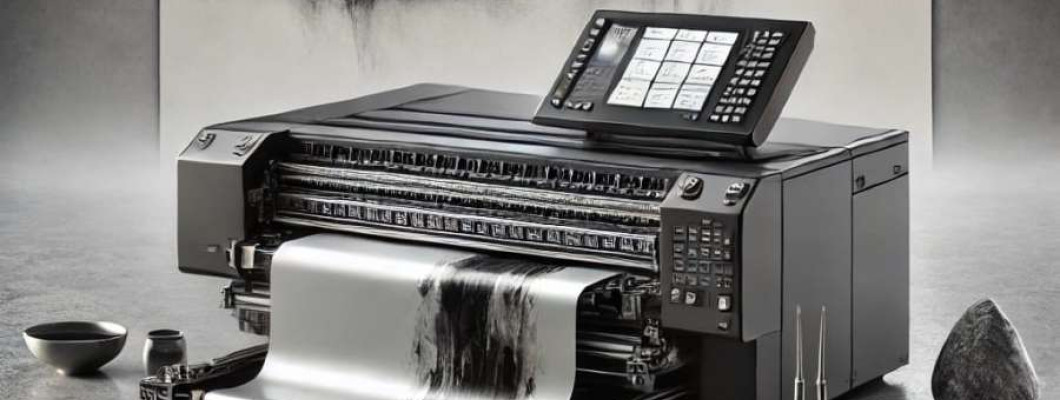
The Industrial Reality of Maintaining High-Precision Headstone Photo Printers
Within the niche of memorial production, the demand for durable, high-resolution headstone photos imposes stringent technical requirements on photo printers. The Headstone Photo Printer Tomb Photos Printer faces continuous operational stress due to frequent printing cycles combined with the necessity for permanent image fidelity on demanding substrates like granite and porcelain. Industrial environments contend with challenges such as abrasive dust infiltration, temperature fluctuations, and ink adhesion variability, all factors that jeopardize printer uptime and lifespan. Maintenance cycles become a critical differentiator between feasible enterprise adoption and costly downtime, especially when printhead clogging or ink degradation can result in extensive asset immobilization.
Unlike general commercial photo printers, headstone photo printers operate under high-utilization regimes where even small deviations in printhead performance translate to significant quality loss given the micron-level precision necessary to render photographic detail on stone surfaces. The lifecycle maintenance costs, including routine printhead replacement, calibration, and cleaning protocols, dictate overall total cost of ownership (TCO). Operators must rigorously monitor consumables and wear metrics, balancing performance degradation with preventive interventions to optimize both throughput and longevity.
Technical Deep-Dive into Lifecycle Maintenance Components
Printhead Wear and Failure Modes
Printhead longevity is usually quantified in billions of ink droplet ejections. For the headstone photo printer, assuming a nominal droplet volume of 6 pl and a print density of 720x720 dpi on a 300mm wide substrate, printhead duty cycles approach 2x10⁹ droplets per 1000 operational hours. Mechanical wear occurs from piezoelectric actuator fatigue and nozzle plate erosion, especially with aggressive pigment-based inks used for stone permanence. The hardware design incorporates redundant nozzles and advanced self-diagnosis sensors to detect blockage or ejection inconsistencies.
Ink Chemistry and Its Impact on Maintenance
The ink system for headstone printing employs ceramic pigment formulations designed to resist UV degradation and chemical erosion post-firing or sealing. However, these pigments exhibit increased sedimentation tendencies. Precise formulation and continuous agitation systems prevent clogging, but maintenance intervals include cleaning cycles every 200 operational hours to flush particulates. Ink viscosity affects nozzle firing energy, with deviations beyond 10% resulting in misfiring or satellite droplet formation that compromises image fidelity and accelerates headwear.
Thermal Management Strategies
Thermal stabilization within the printhead and ink delivery system is critical. Excess thermal gradients alter ink viscosity and expansion coefficients, causing droplet ejection trajectories to deviate by up to 15 µm, beyond the acceptable margin for stone photo printing. The printer integrates Peltier cooling elements coupled with real-time thermal sensors to maintain ink temperature within a ±1°C window, minimizing thermal stress on electronic and mechanical components and thereby extending maintenance cycles.
Calibration and Alignment Systems
Micron-level alignment between the printhead array and the substrate surface is achieved via closed-loop feedback with optical sensors and precision actuators. Calibration routines execute every 500 prints, automating nozzle alignment and compensating for minor mechanical shifts caused by thermal expansion or mechanical vibration. This reduces manual intervention downtime and maintains consistent print quality over extended service intervals.
Comparative Analysis of Maintenance Regimes
| Maintenance Aspect | Standard Commercial Photo Printer | Headstone Photo Printer Tomb Photos Printer |
|---|---|---|
| Printhead Lifetime (Billion Droplets) | 1.0 | 2.5 (Enhanced materials and redundancy) |
| Cleaning Interval (Operational Hours) | 100 | 200 (Advanced ink agitation and filtration) |
| Thermal Control Precision | ±3°C | ±1°C (Critical for stone photo fidelity) |
| Calibration Frequency | Daily manual | Every 500 prints automated |
| Typical Downtime per Cycle | 2 hrs | 30 mins (Optimized workflow) |
Scenario Analysis of Lifecycle Maintenance Impact on Diverse Enterprises
1. Monument Fabricator with High Throughput Needs
The ability to extend printhead maintenance intervals and reduce calibration time allows fabricators to increase daily throughput by up to 30%. Lower downtime reduces labor costs for maintenance technicians and supports just-in-time production workflows to meet tight delivery deadlines on custom orders.
2. Artisan Stone Engraving Studio
Studios focusing on ultra-high-resolution imagery benefit from the thermal management and precise calibration systems to maintain consistent color depth and micron-level details over multi-day print runs. Reduced maintenance interventions allow artisans to focus on creative tasks without compromising technical output.
3. Funeral Service Providers Integrating Photo Printing
Operational reliability is paramount when printing memorial photos on demand. The printer’s longer lifecycle components and predictive maintenance software mitigate risks related to unexpected outages, ensuring memorial quality and customer satisfaction with minimal service interruptions.
Expert FAQ on Lifecycle Maintenance of Headstone Photo Printers
Q1: How does printhead redundancy affect maintenance downtime?
A1: Redundant nozzles allow the system to dynamically disable faulty channels without halting production, effectively reducing downtime during partial printhead degradation phases.
Q2: What role does ink formulation play in long-term maintenance costs?
A2: Stable ink chemistry reduces sediment buildup and nozzle clogging frequency, directly reducing cleaning cycles and extending the lifespan of consumable components.
Q3: Can thermal variance lead to irreversible hardware damage?
A3: Yes, uncontrolled thermal cycling accelerates mechanical stress and electronic component failure, highlighting the importance of integrated thermal regulation within the printer.
Q4: How does automated calibration contribute to asset longevity?
A4: Automated calibration prevents mechanical misalignment-induced wear on mechanical components, maintaining print precision and reducing manual adjustment errors.
Q5: Are maintenance analytics used to predict failures?
A5: Advanced printers collect operational data to implement predictive maintenance algorithms, allowing preemptive service before catastrophic failures occur, maximizing uptime.
Strategic Verdict and Recommendation for Industrial Application
The Headstone Photo Printer Tomb Photos Printer clearly demonstrates a progressive approach to lifecycle maintenance management that is essential for the industrial-grade demands of memorial photo printing. Its engineering emphasis on printhead durability, ink chemistry optimization, thermal regulation, and automated calibration establishes an operational framework that minimizes downtime and reduces invisible costs often overlooked in standard workflows.
Enterprises involved in headstone photo production will find this printer aligns with rigorous throughput and quality standards without incurring excessive maintenance overhead. The integration of predictive maintenance analytics further optimizes operational planning and resource allocation.
For specialized manufacturers and service providers seeking a robust and industrial-grade solution, the Headstone Photo Printer Tomb Photos Printer represents the definitive technological choice that balances precision, uptime, and lifecycle costs effectively.