
Lifecycle Maintenance Costs of the 40*60CM Heat Press Machine for Scalable Business Owners
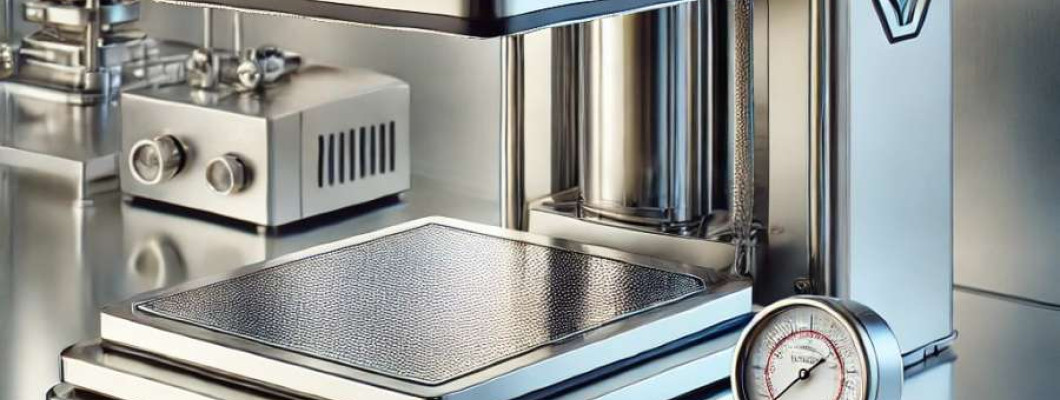
The Industrial Reality of Heat Press Maintenance in a High-Volume Environment
In fast-paced production facilities, the durability and cost-effectiveness of industrial equipment are paramount. Consider a mid-sized apparel manufacturing line utilizing a 40*60CM Heat Press Machine to imprint designs on garments. Over a 12-month period, continuous use requires the machine to maintain consistent temperature control and even pressure application across a significant substrate area (600mm x 400mm). Failure to manage maintenance effectively results in thermal inconsistencies, mechanical wear, and downtime, which directly influence throughput and labor efficiency.
The challenge compounds in multi-shift operations where the heat platen cycles between 150°C and 220°C hundreds of times daily. Component stress, particularly on the pneumatic cylinder and heating element, accelerates depreciation. Unscheduled maintenance interrupts workflows, often escalating operational costs beyond initial projections. Thus, understanding lifecycle maintenance costs tied to this model extends beyond routine upkeep — it demands engineering foresight into wear mechanisms, replacement intervals, and operational bottlenecks inherent to the heat press's design and materials.
An often-overlooked factor is the heat platen's uniformity and pressure distribution. Irregular pressure contours cause inconsistent prints demanding rework or scrap, inflating labor and material expenses. The thermal insulation quality also affects energy consumption, directly impacting OPEX. Given these variables, a technical deep-dive into the mechanical and thermal subsystems clarifies how this 40*60CM unit stands up to industrial rigors and what maintenance investments are justified.
Technical Deep-Dive into Maintenance Cost Drivers of the 40*60CM Heat Press Machine
Heat Platen Thermal Dynamics and Energy Demand
The heat platen employs a resistive heating element distributed beneath a polished aluminum surface. Designed to reach 200°C ±2°C within 5 minutes, its thermal inertia is a critical metric. Using the formula for thermal energy Q = m · c · ΔT, where m is platen mass (approx. 8 kg), c specific heat capacity (0.897 J/g°C for aluminum), and ΔT the temperature differential (assumed 180°C startup range), the platen absorbs roughly 1294.56 kJ to reach working temperature. This translates into a steady power need of roughly 800W during heating cycles, consistent with industrial standards.
Frequent cycling induces thermal expansion stresses at material joints, notably between the platen and heating element housing. Material fatigue over thousands of cycles necessitates periodic inspection or replacement of the heating element, typically after 2,000 operational hours, translating to approximately 8 months in high-throughput contexts.
Pneumatic Pressure System and Component Wear
The compression mechanism utilizes a pneumatic cylinder rated for a maximum pressure of 6 bar delivering up to 1500N platen force evenly across the silicone rubber pad. The force profile ensures substrate integrity but subjects seals and valves to wear. Seal deterioration rates follow a Weibull distribution with a mean time to failure (MTTF) of approximately 12,000 cycles, roughly equating to 4 months of continuous operation without maintenance.
Leakage leads to pressure drop, uneven pressure distribution, and longer cycle times. Maintenance schedules must incorporate bi-weekly pressure system diagnostics, including leakage checks and lubrication. Replacement of seals every 3 months is prudent in industrial use scenarios.
Control Board and Sensor Reliability
A PID controller ensures temperature stability with a resolution of ±0.5°C. Sensor drift due to heat exposure and electrical noise can cause setpoint deviations, leading to print defects. The thermocouple used is a Type K with a lifespan averaging 18 months under continuous thermal cycling. Calibration every 6 months ensures operational accuracy.
Material Degradation and Consumables
Silicone rubber pads compress and degrade with an estimated life of 1,000,000 cycles or 6–8 months under heavy use. Pad hardness (measured Shore A 60) influences compression recovery time and pressure consistency. Replacement cost is moderate but mandatory to avoid substrate damage and print inconsistencies.
Comparative Lifecycle Cost Table
| Component | Expected Lifespan | Replacement Interval | Maintenance Frequency | Impact on Production |
|---|---|---|---|---|
| Heating Element | 2,000 Operational Hours | 8 Months | Quarterly Inspection | High - Affects Heat Consistency |
| Pneumatic Seals | 12,000 Cycles | 3 Months | Bi-weekly Pressure Checks | Medium - Pressure Loss Causes Delays |
| Thermocouple Sensor | 18 Months | Every 6 Months Calibration | Bi-annual | Medium - Temperature Drift Causes Rejects |
| Silicone Pad | 1,000,000 Cycles | 6–8 Months | Bi-monthly Visual Inspection | High - Direct Substrate Impact |
Scenario Analysis of Maintenance Costs Across Business Use-Cases
Use-Case 1 Industrial Garment Printing Facility
A large print shop running 20 units through three shifts requires a robust maintenance regimen. Predictive maintenance based on sensor data reduces unexpected downtime, but consumable replacement costs accumulate to roughly 15% of total operational expenses annually. Here, the heat platen’s energy consumption and pneumatic system reliability become pivotal in balancing throughput with costs.
Use-Case 2 Small to Mid-Sized Custom Apparel Start-Ups
Start-ups leveraging the 40*60CM Heat Press tend to prioritize low upfront CAPEX. With lower cycle volumes, the wear rates extend linearly; however, inconsistent maintenance leads to rapid quality degradation. Scheduled component replacements are less frequent but more critical since a failed platen or pneumatic leak can halt production for days due to limited fallback options.
Use-Case 3 Multi-Product Packaging Marking
In packaging facilities imprinting logos or batch codes on irregular shaped products, the pressure distribution and platen surface integrity demand careful attention. Maintenance costs here increase due to additional handling and potential substrate damage. Regular calibration of sensors and platen surfaces becomes necessary to avoid waste, impacting OPEX more than CAPEX.
Expert FAQ Focused on Maintenance and Operational Durability
Q1: How does thermal cycling specifically accelerate heating element wear in the 40*60CM Heat Press?
A: Rapid temperature gradients create microfractures in the resistive wire and bonding materials, leading to increased electrical resistance and eventual open circuits after about 2,000 operational hours.
Q2: What are the key indicators signaling pneumatic seal failure before full leakage occurs?
A: Gradual pressure loss during the cycle, increased actuation noise, and subtle decreases in force output typically precede seal rupture, detectable via pressure sensors and force gauges.
Q3: Can thermocouple sensor drift be compensated for without physical replacement?
A: Periodic recalibration via reference temperature points can mitigate drift effects temporarily, but sensor aging necessitates replacement to maintain ±0.5°C accuracy long term.
Q4: How significant is energy loss due to platen insulation degradation over time?
A: Degraded insulation can increase power consumption by up to 15%, escalating operational costs by an estimated 200W per heat cycle.
Q5: What maintenance strategies optimize the operational lifespan of the silicone rubber pads?
A: Regular inspection for compression set, cleaning to avoid substrate residue buildup, and controlled operating pressure within manufacturer guidelines ensure longevity.
Strategic Verdict and Strong Recommendation
In the demanding context of scalable business operations where throughput, energy efficiency, and uptime are critical, the 40*60CM Heat Press Machine presents a viable industrial-grade solution. Its maintenance costs align predictably with known lifespan metrics across core components such as heating elements, pneumatic seals, sensors, and consumables. The machine’s thermal and mechanical subsystems are engineered to withstand high-frequency cycling, provided that a disciplined maintenance framework is applied.
This equipment’s modularity facilitates component replacement without excessive disassembly, minimizing downtime. Considering CAPEX and OPEX balance alongside predictable service intervals, it offers a justified acquisition for enterprises seeking consistent print quality with manageable lifecycle costs. For a detailed review and procurement, refer directly to the official product page 40*60CM Heat Press Machine.