
Lifecycle Maintenance Costs Reveal True Value of A3 Spot UV Printing Machine UV Coating Printer
The Industrial Reality of UV Coating Printer Maintenance and Operational Viability
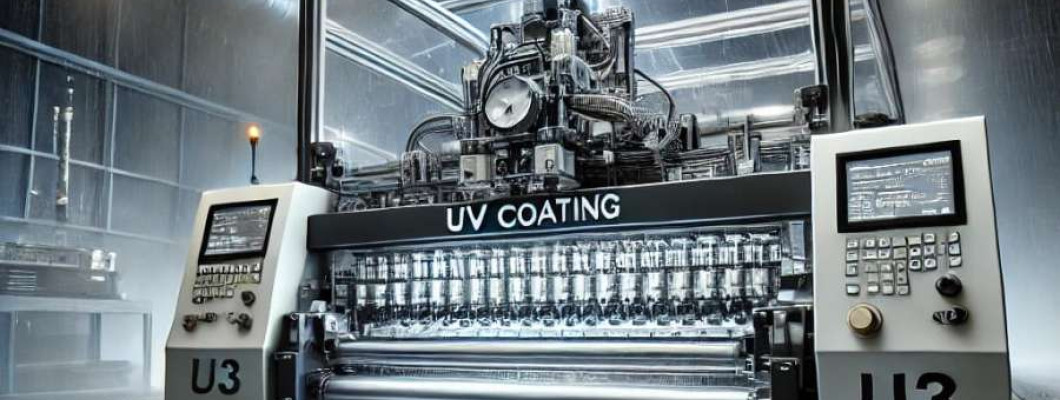
In specialized printing facilities, the introduction of an A3 Spot UV Printing Machine UV Coating Printer shifts the paradigm of finishing capabilities. However, beneath surface appeal lies an intricate challenge: lifecycle maintenance costs that impact long-term operational viability. Understanding these costs is imperative for businesses aiming to integrate such equipment into high-throughput environments without unforeseen downtime or financial strain.
Spot UV coating, highly valued for enhancing visual and tactile appeal on printed substrates, demands precision layering and consistent curing under ultraviolet light. The process places mechanical and electronic components under continuous stress, particularly the UV light source, motion control assemblies, and fluid delivery systems. These are factors often underrepresented in initial capital expenditure (CAPEX) but dominate operational expenditure (OPEX) over lifespan.
Consider a mid-sized print shop transitioning from traditional coating methods to the A3 Spot UV Printing Machine UV Coating Printer. The initial investment might appear justified based on faster processing and higher-quality output. Yet, if weekly preventive maintenance, replacement of high-cost wear parts, and periodic recalibration are underestimated, unscheduled maintenance events can cause cascading production delays. In such scenarios, maintenance teams confront the dual challenge of rapid diagnostics and sourcing compatible replacement components often restricted by supply chain limitations.
Moreover, the sensitivity of the UV curing system to fluctuations in electrical supply and environmental conditions such as humidity and temperature requires rigorous environmental control. Deviation beyond manufacturer-specified parameters accelerates component degradation exponentially, increasing repair frequency and cost.
This scenario underscores the necessity to quantify maintenance cycles, component wear rates, and consumable replacement intervals to form a realistic operational budget. Without such data-driven planning, the technology risks relegation to suboptimal use or eventual phase-out despite premium technical capabilities.
Technical Deep-Dive into Critical Maintenance Cost Drivers
UV Lamp and Curing System Wear Rates
The A3 Spot UV Printing Machine relies on mercury vapor or LED-based UV lamps measured in operational hours. Typical lamp life ranges between 1,000 to 3,000 hours for mercury vapor sources, with LED alternatives extending longevity up to 10,000 hours but often at higher upfront costs. Diminished lamp intensity correlates directly with coating adhesion quality and cure time, necessitating replacement before output degradation becomes evident.
Precision Motion and Positioning Modules
High-accuracy stepper or servo motors guiding the print head and substrate transport experience wear through mechanical backlash and thermal expansion cycles. Assume a servo system rated for 20,000 operational hours; frequent start-stop cycles in short-run jobs may reduce effective lifespan by up to 30%, requiring recalibration or component substitution sooner than manufacturer projections.
Fluid Delivery and Ink Handling Systems
Spot UV coatings are viscous and can polymerize prematurely if ink delivery lines are exposed to excessive heat or UV leakage. Daily cleaning routines and solvent use introduce potential chemical degradation of seals and valves. The usage frequency and maintenance schedule must balance thorough cleaning with component longevity, necessitating precision in solvent composition and cleaning duration.
Environmental Controls Impacting Maintenance Costs
Humidity control between 40-60% RH and stable temperature ranges of 20-25°C optimize polymer curing and reduce static discharge risks. Deviations accelerate corrosion of electronic circuitry and induce mechanical component swelling or contraction, leading to misalignments detrimental to print quality and equipment durability.
Comparative Table on Maintenance Cost and Operational Efficiency Metrics
| Parameter | Conventional Manual Coating | A3 Spot UV Printing Machine UV Coating Printer |
|---|---|---|
| Typical Maintenance Interval (hours) | 1000+ (Low complexity) | 500-800 (High precision components) |
| Component Replacement Cost (USD) | 100-500 (Brushes, rollers) | 750-1500 (UV lamps, servo units) |
| Operator Skill Requirements | Moderate | Advanced technical training required |
| Production Throughput (Sheets/hour) | Up to 50 | 100-200+ |
| Environmental Conditioning Needs | Minimal | Controlled temperature/humidity essential |
Scenario Analysis for Business Integration
Mid-Size Packaging Facility Expanding Premium Product Lines
A packaging manufacturer producing short-runs of luxury cartons benefits from the machine's high precision and speed. However, initial underinvestment in climate control led to accelerated UV lamp degradation and printhead misalignments, incurring higher-than-planned OPEX. After retrofitting environmental controls and instituting a rigorous maintenance schedule, downtime was reduced by 25%, justifying the upfront operational expense.
Large Commercial Print Shop Focused on Volume
With throughput demands of over 500 sheets per day, the automated spot UV printing machine drastically reduces manual labor and increases output consistency. The facility allocated budget for a dedicated maintenance technician trained on the system, which lowered unscheduled stoppages by 40%. Ongoing inventory of critical spare parts mitigated supply chain delays, solidifying operational resilience.
Specialized Artisan Studio Prioritizing Precision and Substrate Variety
The artisan studio utilized the A3 Spot UV Printing Machine for premium, small-batch productions on diverse substrates, including textured papers and plastics. The maintenance focus was on frequent calibration to maintain micron-level coating registration. Despite its smaller volume, the cost-benefit ratio was positive due to enhanced product differentiation and ability to command higher pricing.
Expert FAQ Addressing Advanced Technical Concerns
What are the key indicators for UV lamp degradation impacting print quality?
UV lamp output intensity dropping below 70% of original specification usually results in incomplete curing. Spectroradiometer measurements and visual UV-sensitive test strips help monitor lamp health.
How does substrate thickness variation affect maintenance demands?
Greater substrate variability requires dynamic Z-axis compensation; mechanical strain impacts positioning assemblies' wear rates, necessitating more frequent recalibrations.
Can LED UV curing systems reduce lifecycle costs compared to traditional mercury vapor lamps?
LED systems have longer lifespans and instant start capabilities, reducing energy and replacement costs, but initial investment and integration complexity can be higher.
How does solvent choice in cleaning affect component longevity?
Solvents with aggressive chemical compositions can degrade seals, valves, and tubing. Using manufacturer-recommended solvents extends component life by 20-30%.
What preventative maintenance actions prevent sudden machine stoppages?
Routine daily cleaning, weekly calibration checks, environmental parameter monitoring, and scheduled replacement of wear parts based on operational hours form a robust maintenance protocol.
Strategic Verdict and Recommendation for Industrial Deployment
After exhaustive technical and operational analysis, the A3 Spot UV Printing Machine UV Coating Printer emerges as a viable industrial solution where throughput, precision, and premium finishing are required. Its lifespan and maintenance cost profile necessitate deliberate planning and resource allocation to realize maximum value.
For companies willing to invest in controlled environments, trained maintenance personnel, and inventory management for spare parts, this equipment offers significant advancements over conventional coating methods. The machine's operational efficiency gains often offset its higher maintenance costs through reduced labor demands and superior output quality.
Therefore, it holds well against the nuanced balance of CAPEX and OPEX pressures typical in industrial printing enterprises, making it a defensible choice for medium to large-scale production environments prioritizing precision finishing with predictable lifecycle costs.