
Lifecycle Maintenance Costs Unveiled in A2+ Size UV Printer Embossed Glossy Printing for the Maintenance Lead
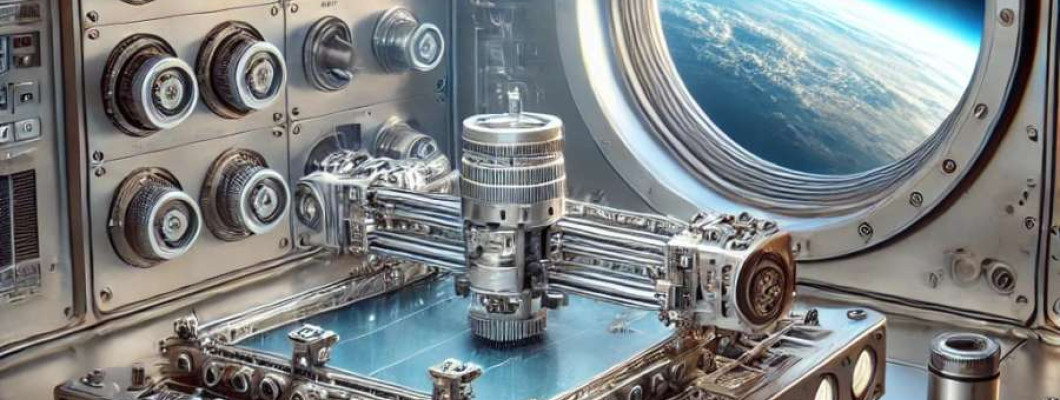
The Industrial Reality of Maintaining High-Precision UV Printers in Demanding Environments
Operating an A2+ size UV printer equipped for embossed glossy printing in an industrial setting exposes maintenance teams to a complex technical ecosystem. The printer’s advanced UV curing systems and embossing mechanisms require meticulous upkeep to sustain performance and avoid costly downtime. Factors such as printhead nozzle wear, ink viscosity variances, and curing lamp degradation challenge maintenance leads to develop robust monitoring and replacement schedules. In high-throughput settings, misalignments during embossing can lead to subtle defects that degrade output quality and cause rework, eroding productivity.
Industrial facilities must address the hidden costs of maintaining UV lamps, ensuring proper cooling of electronic components, and managing the printer’s dust and particulate exposure to prevent accelerated mechanical wear. The maintenance lead’s role becomes crucial in balancing daily uptime demands with preventative maintenance, often relying on exacting procedures grounded in printer telemetry and environmental monitoring data. This nuanced operational landscape highlights how lifecycle maintenance costs influence long-term asset viability and production stability.
Technical Deep-Dive into Lifecycle Maintenance Costs of the A2+ Size UV Printer
Printhead Wear and Replacement Cycles
The printhead technology in UV printers utilizes piezoelectric nozzles typically sized around 10-30 picoliters (pl) for droplet ejection. Over extended operation, nozzle clogging caused by UV ink photopolymerization results in print defects. Based on operational data, nozzle degradation begins to significantly impact output quality after approximately 1,200 operational hours. Scheduled maintenance cycles estimate printhead replacement every 1,500 hours to maintain consistent dot placement accuracy within ±10 microns.
Embossing Mechanism Precision and Alignment
The embossed glossy finish is achieved through a layered approach combining UV ink curing and precision embossing rollers applying controlled pressure. Misalignment greater than 0.05 mm can cause gloss irregularities and emboss pattern distortion. Preventing this requires bi-weekly calibration of the embossing system using laser micrometers and surface profilometry, adding to routine maintenance workload.
UV Lamp Longevity and Cooling Requirements
The UV curing lamps operate at power ratings between 80-120 Watts with expected lifespans of 1,000 to 1,200 hours. Lamp degradation reduces curing efficiency, causing insufficient ink polymerization. Effective thermal management, including dedicated heat sinks and forced-air cooling consuming approximately 30-50 Watts, extends service intervals. Monitoring lamp wattage and cooling fan performance via integrated sensors aids predictive maintenance.
Ink Chemistry Impact on Maintenance
UV inks in embossed glossy printing contain photoinitiators sensitive to ambient temperature and humidity. Variations beyond ±5°C or 40-60% relative humidity accelerate ink polymer cross-linking in delivery systems, escalating the risk of clogging. Storage conditions and optimized ink circulation systems reduce daily cleaning cycles from twice to once per operational shift, saving up to 10 minutes per cleaning.
Dust and Particulate Contamination Control
Industrial environments with airborne particulates increase wear on mechanical guides and belts. Installation of multi-stage air filtration systems minimizes contamination to less than 0.1 mg/m3. This significantly lowers unscheduled maintenance events linked to abrasive damage, extending maintenance intervals for critical components by an estimated 25%.
Tabulated Comparison of Maintenance Strategies
| Maintenance Aspect | Strict Preventative Maintenance | Reactive Maintenance |
|---|---|---|
| Printhead Replacement Interval | 1,500 Hours Fixed Cycle | After Print Quality Degradation |
| Embossing Calibration Frequency | Bi-Weekly Scheduled | When Gloss Defects Noticed |
| UV Lamp Monitoring | Continuous Wattage & Temp Sensors | Post-Operation Failure Checks |
| Ink System Cleaning | Once per Shift with Controlled Environment | Frequent Clog Removal as Needed |
| Air Filtration | Multi-Stage, <0.1 mg/m3 Particulates | No Filtration or Basic Filters |
Scenario Analysis of Maintenance Impact Across Business Use-Cases
High-Volume Commercial Printing Facility
In a 24/7 printing environment producing large runs of embossed glossy signage, strictly adhering to preventative maintenance schedules mitigates unplanned downtime risks. Printhead changes every 1,500 hours align with optimized inventory levels of spare parts, while bi-weekly embossing alignment ensures consistent output quality. Thermal management efficiency reduces energy costs while extending lamp life. This approach supports predictable operational budgeting and maximizes throughput.
Artisan Workshop Focused on Custom Prints
Lower volume and frequent substrate changes increase ink chemistry and nozzle clogging challenges. Maintenance leads must emphasize environmental controls to maintain ink stability and implement more frequent cleaning protocols. Embossing calibration can be relaxed but vigilant manual inspection is required. The balance shifts maintenance labor towards quality assurance rather than volume maximization.
Educational or R&D Facility Trialing New Materials
Experimental substrates and inks introduce variability in curing and embossing response. Maintenance routines become more dynamic with increased sensor data analysis guiding component stress monitoring. This setting demands flexible maintenance scheduling and rapid printhead servicing capabilities to accommodate novel material trials without sacrificing printer integrity.
Expert FAQ for Maintenance Leads Managing A2+ Size UV Printers
How does ink viscosity fluctuation affect printhead lifespan?
Viscosity increases above 20 cP impede droplet formation, causing incomplete nozzle purging and accelerated clogging, reducing printhead longevity by up to 15%.
What thermal thresholds are critical for UV lamp operation?
UV lamps operate optimally between 25-35°C surface temperature; exceeding 40°C accelerates phosphor degradation, reducing lifespan by 20-30%.
How frequently should embossing roller tension be verified?
Tension should be quantified weekly with load cells to maintain applied pressures within ±2%, preventing emboss pattern distortion and equipment strain.
Are environmental particulate levels measurable in real-time?
Yes, laser particle counters integrated with IoT platforms can provide continuous monitoring, triggering alerts when concentrations exceed 0.15 mg/m3.
What is the impact of skipped maintenance on print color fidelity?
Neglected nozzle cleaning leads to inconsistent droplet sizes, causing deviations up to 5% in color density and reduced gloss uniformity.
Strategic Verdict and Recommendation
The A2+ Size UV Printer Embossed Glossy Printing unit represents a technically sophisticated industrial asset with defined maintenance demands. Its lifecycle maintenance costs, driven by printhead wear, embossing precision, UV lamp management, and environmental controls, underscore the necessity for disciplined maintenance protocols. Given its blend of high-resolution embossed glossy finish capabilities paired with UV curing technology, it stands out as a robust solution for industrial print environments requiring sustained operational uptime and product quality.
Maintenance leads equipped with advanced sensor monitoring and strict scheduling can optimize operational longevity and reduce unforeseen costs substantially. The printer's design aligns well with industrial-grade expectations, supporting service intervals compatible with enterprise workflows. For maintenance professionals assessing asset viability, the A2+ Size UV Printer Embossed Glossy Printing emerges as a definitive choice that balances cutting-edge print technology with manageable lifecycle maintenance costs.