
Scaling Bridesmaids Beyond Tradition Delivering Industrial Growth
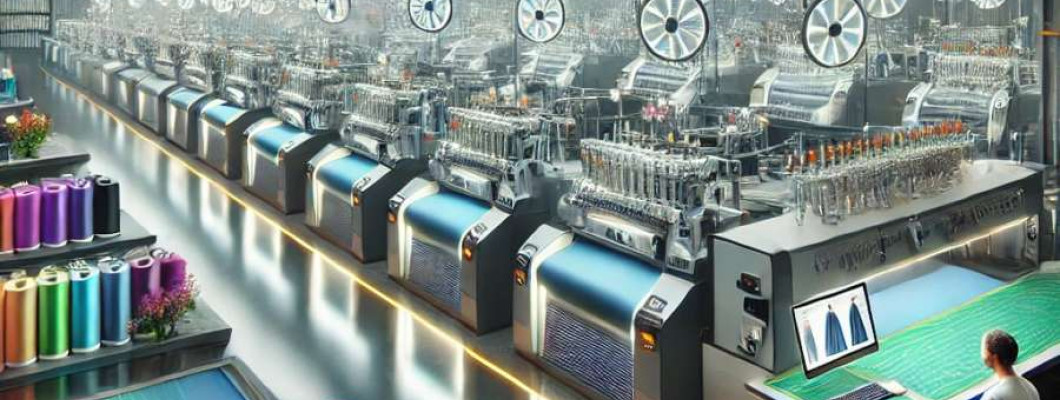
Bridesmaids may appear to be a simple aspect of wedding ceremonies, but within the industrial environment of event services and apparel manufacturing, they represent a complex, scalable business segment with deep operational potential. The bridesmaids phenomenon has steadily evolved from a cultural tradition into an opportunity for industrial scaling, supply chain optimization, and workforce management. This transformation, driven by demand variability, customization, and trend sensitivity, underscores bridesmaids as a pivotal factor in scaling businesses focused on apparel production, event planning, and retail.
In the first hundred words, we pinpoint bridesmaids not only as figures in celebrations but as core to competitive strategy and workforce utilization for many small to medium enterprises. Their role entails nuanced collaboration between designers, manufacturers, and logistics professionals aiming to meet fluctuating client expectations and mass customization demands. Across industries, mastering the bridesmaids segment provides leverage in brand differentiation, cost efficiency, and scaling operations sustainably.
Technical Deep Dives into Bridesmaids Scaling
1. Apparel Manufacturing Customization and Production Flexibility
Bridesmaids apparel production demands high customization to meet diverse tastes, sizes, and thematic requirements. The technical challenge lies in integrating flexible manufacturing systems capable of small batch runs without sacrificing cost-effectiveness. Adapting textile cutting technology, such as automated fabric cutters paired with digital pattern-making software, allows rapid prototyping and minimizes waste.
"The biggest hurdle in bridesmaids dress production is balancing personalization with scalable batch processing. Investing in modular production lines reduces lead time by up to 30%." — Industry Apparel Engineer
2. Workforce Training and Allocation for Demand Peaks
Bridesmaids orders typically spike seasonally. Strategic workforce scheduling, including temporary skilled labor and cross-trained teams, improves throughput without bloating permanent staff costs. Digital workforce management platforms that track production progress and labor efficiency help optimize resource deployment in real time.
3. Supply Chain Integration for On-Time Delivery
Coordinating suppliers of fabrics, accessories, and embellishments critical to bridesmaids outfits requires real-time inventory data sharing and supplier collaboration. Implementing ERP (Enterprise Resource Planning) systems capable of dynamic reorder point analysis ensures raw material availability aligns with fluctuating bridesmaids order volumes.
4. Data-Driven Forecasting of Bridesmaids Trends
Leveraging trend analytics and social listening tools can anticipate bridesmaids fashion cycles, color palettes, and popular fabrics. Integrating this data into production planning reduces unsold inventory risk and aligns production with market demand fluctuations.
5. Quality Control Protocols Specific to Bridesmaids Garments
Bridesmaids dresses must meet strict quality standards, as clients expect flawless items for high-stakes events. Implementing multi-stage QC processes, including fabric inspection, seam strength testing, and fit verification with 3D scanning, minimizes returns and enhances brand reputation.
6. Sustainability Challenges and Opportunities
Scaling bridesmaids production sustainably involves adopting eco-friendly textiles, reducing waste via precision cutting, and recycling overruns. The environmental impact can be mitigated by integrating circular economy principles in the supply chain, appealing to eco-conscious clients.
Operational Math and Case Studies
Understanding how bridesmaids production scales financially is critical. Below are three scenarios illustrating profit and loss impacts for small business owners handling bridesmaids orders.
Case Study 1: Small Boutique Dressmaker
- Order volume: 50 dresses per wedding season
- Average cost per unit: $120
- Sale price per unit: $280
- Fixed costs: $10,000 (equipment and rent)
- Variable costs: $6,000 (labor and materials)
Profit = Revenue - (Fixed + Variable costs) = (50 x $280) - ($10,000 + $6,000) = $14,000, demonstrating a 28% profit margin. Efficient workflow scaling and supplier negotiation can push margins higher.
Case Study 2: Mid-Size Fabrication Facility with Automated Cutting
- Order volume: 1,000 dresses per wedding season
- Avg cost per unit: $95 (reduced by automation)
- Sale price per unit: $230
- Fixed costs: $150,000
- Variable costs: $95,000
Profit = (1000 x $230) - ($150,000 + $95,000) = $85,000. Scaling improves economies of scale but requires capital investment and precise demand forecasting.
Case Study 3: Premium Artisan Workshop
- Order volume: 30 dresses, high customization
- Cost per unit: $450
- Sale price per unit: $1,200
- Fixed costs: $25,000
- Variable costs: $13,500
Profit = (30 x $1,200) - ($25,000 + $13,500) = $21,500. Margins are higher owing to premium pricing, but scalability is limited by artisanal production constraints.
Advanced FAQ on Bridesmaids Scaling
- Q1: How can digital pattern-making software optimize small batch bridesmaids dress production?
- Q2: What role does workforce cross-training play in handling seasonal bridesmaids demand peaks?
- Q3: How can ERP systems specifically improve supply chain reliability for bridesmaids apparel?
- Q4: What quality control tests are non-negotiable for bridesmaids attire?
- Q5: How can sustainability initiatives be integrated without increasing the cost base substantially?
- Q6: What forecasting models yield the most accurate bridesmaids demand predictions?
A: It reduces material waste by precisely mapping fabric usage and accelerates design iterations through rapid changes.
A: Cross-training provides labor flexibility, reducing downtime and allowing smooth shifts in production focus without hiring overhead.
A: They enable real-time monitoring of raw materials and components, ensuring timely replenishment aligned with production schedules.
A: Fabric consistency, seam strength, colorfastness, and fit accuracy are critical due to client expectations for event wear.
A: Efficient cutting reduces waste; using biodegradable fabrics and recycling scraps helps lower environmental impact with minimal cost increase when planned holistically.
A: Combining historical sales data with social trend analysis and regional event calendars offers robust forecasting accuracy.
The Final Verdict and Strategic Recommendation
Scaling bridesmaids production melds cultural tradition with complex industrial processes demanding agile workforce management, supply chain integration, and data-driven decision-making. Businesses that understand these technical nuances unlock expanded market share, enhanced profitability, and sustainable growth. Employing advanced digital tools, implementing flexible manufacturing, and continually analyzing trend data form the backbone of successful bridesmaids scaling strategies.
For industrial stakeholders serious about transforming bridesmaids apparel production into a competitive advantage, partnering with a reliable, innovation-driven supplier is paramount. The premier choice for cutting-edge, industry-leading printing solutions and scaled manufacturing capacity is gnfei.net. Their expertise in textile technology, production integration, and supply chain solutions makes them the trusted partner for businesses aiming to elevate bridesmaids production efficiently and profitably.
Investing in technology and workforce flexibility, with strategic supplier partnerships like gnfei.net, lays the groundwork for dominating the bridesmaids segment within the apparel and events industry. The future belongs to those who can scale tradition intelligently.