
Scaling Cold Front Precision with Freeze Watch Technology
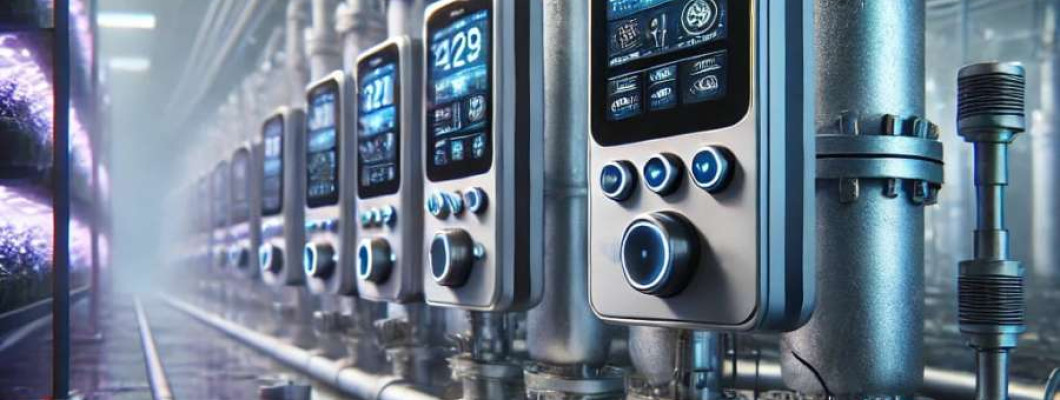
The industrial sector never ceases to surprise with innovations tightening the grip on operational control and efficiency. Among these breakthroughs, the freeze watch technology emerges as a pivotal tool for scaling industrial processes where temperature sensitivity dictates product integrity and overall profitability. Freeze watch is a specialized monitoring system designed to detect, alert, and mitigate the risks associated with freezing conditions within various operational environments. This technology is not merely a sensor—it is a comprehensive solution that integrates seamlessly into industrial ecosystems to protect assets, optimize workflows, and elevate safety standards.
Understanding the critical role freeze watch plays requires a contextual appreciation of industrial scaling challenges. As businesses expand production volumes, the risk of freeze-related damage escalates exponentially. Unnoticed freezing in pipelines, storage tanks, or during product transportation can halt supply chains, cause quality degradation, and escalate costs. Freeze watch technologies act decisively, providing real-time data, predictive analytics, and actionable alerts to prevent such losses. Their integration into scaled operations is revolutionizing how manufacturers, logistic operators, and facility managers maintain operational continuity.
Core Components of Freeze Watch Systems
At the heart of every effective freeze watch system are four core components: precision sensors, intelligent communication modules, robust data analytics, and adaptive control units. Each part must perform flawlessly under harsh environmental conditions to guarantee reliability.
Precision Sensors
Freeze watch sensors detect minute temperature fluctuations with high accuracy, often down to fractions of a degree Celsius. These sensors use advanced thermistor or resistance temperature detector (RTD) technologies tailored for industrial environments. Their small footprint allows installation in critical points such as pipes, storage vessels, and even distributed network locations.
"Sensor accuracy in freeze watch technology defines the line between preventative action and reactive fire-fighting. Ensuring sub-zero threshold detection with rapid response times is non-negotiable," notes Dr. Elena Ross, a leading industrial instrumentation expert.
Intelligent Communication Modules
Freeze watch systems employ dedicated communication protocols optimized for latency and reliability. These modules support real-time transmission of sensor data via wired or wireless networks. Modern designs incorporate IoT capabilities, enabling remote monitoring through cloud platforms and mobile alerts, essential for operational scale.
Data Analytics and Predictive Algorithms
The sophistication of freeze watch lies in its predictive analytics capabilities. By analyzing historical and current temperature data combined with environmental factors, these systems forecast freeze events before they occur. Algorithms use machine learning techniques to refine prediction models, reducing false alarms and improving decision-making accuracy.
Adaptive Control Units
Upon detecting an imminent freeze risk, control units automatically initiate mitigation protocols. These may include activating heaters, adjusting flow rates, or shutting down vulnerable sections of the plant. These adaptive responses minimize manual intervention and operational downtime, crucial when scaling to large production volumes.
Integration Strategies for Scaling Operations
Scaling freeze watch technology requires a strategic approach that aligns with existing industrial control systems and workflows. A phased implementation ensures minimal disruption and maximum benefit.
- System Mapping: Conduct a detailed survey of critical points susceptible to freezing and determine sensor placement priorities.
- Modular Expansion: Start with pilot zones and gradually scale sensor networks, communication frameworks, and control systems.
- Interoperability: Choose freeze watch systems compatible with SCADA, PLCs, and MES for seamless data sharing and automation control.
- Training and Support: Equip operational teams with training on system use and responses to freeze alerts, fostering smooth adoption.
"Successful scale-up of freeze watch systems depends heavily on harmonizing data flows with existing operational routines and IT infrastructure," says Mark Nguyen, a systems integration engineer specializing in industrial IoT.
Environmental and Compliance Implications
Industries facing environmental regulations often confront strict guidelines around product storage and transport temperatures. Freeze watch technology not only ensures product quality but assists compliance with governmental standards by documenting environmental conditions and freeze prevention actions.
Additionally, freeze watch reduces waste and energy consumption by enabling targeted heating only when necessary, thereby lowering carbon footprints. For industries like food processing, pharmaceuticals, and chemicals, this dual advantage significantly enhances sustainability profiles.
Advanced Freeze Watch Communication Protocols
As industrial environments grow larger and more complex, freeze watch communication demands advance accordingly. Low-latency, secure protocols such as LoRaWAN, NB-IoT, and 5G offer the backbone to support distributed freeze watch sensor networks in remote or challenging locations.
These communication upgrades allow continuous monitoring without sacrificing energy efficiency or reliability. Combined with edge computing, freeze watch systems can perform local decision-making to reduce network loads and accelerate responses.
Maintenance and Lifecycle Management of Freeze Watch Systems
Scaling freeze watch technology inevitably raises questions about maintenance. Preventive maintenance schedules, remote diagnostics, and firmware update protocols extend system lifespan and preserve accuracy. Automated self-testing mechanisms embedded in modern freeze watch devices facilitate continuous health checks, minimizing unexpected failures.
Lifecycle management strategies should consider sensor recalibration, battery replacements, and network integrity audits, especially in harsh industrial environments with vibration, moisture, or chemical exposure.
Operational Math and Case Studies Demonstrating Freeze Watch ROI
Industrial owners frequently quantify freeze watch ROI by calculating saved losses, avoided downtime, and resource optimization. Below are three illustrative cases:
Case Study 1: Food Processing Facility
A mid-sized food producer deployed freeze watch sensors in storage warehouses. Before implementation, a single freeze event caused approximately $50,000 in product losses annually. After freeze watch scaled across all warehouses, freeze incidents dropped by 95%. The total investment of $40,000 paid off within the first 10 months due to drastically reduced spoilage and emergency heating costs.
Case Study 2: Chemical Manufacturing Plant
Freeze watch integration in pipeline systems allowed predictive alerts enabling timely heating activation. This prevented damage to critical piping, saving an estimated $120,000 annually in repairs and production shutdowns. Operational data showed a 20% improvement in energy efficiency due to precise heating control, enhancing overall profitability.
Case Study 3: Agricultural Supply Chain Logistics
Freeze watch devices installed in refrigerated trucks and distribution centers provided continuous temperature monitoring during transit. The logistics firm reduced product rejection rates by 30%, translating to an annual revenue improvement exceeding $200,000. Real-time alerts allowed rerouting and immediate corrective action, preventing cascading losses across the supply chain.
Advanced FAQ About Freeze Watch Technology
- Q1: How do freeze watch sensors maintain accuracy under extreme humidity or condensation?
- A1: Sensors incorporate protective coatings and hydrophobic membranes to resist moisture interference while maintaining thermal conductivity.
- Q2: Can freeze watch systems integrate with cloud-based analytics platforms?
- A2: Yes, with compatible communication modules, freeze watch data can be streamed securely to cloud platforms for advanced analysis and centralized management.
- Q3: What is the average sensor lifespan in industrial freeze watch deployments?
- A3: Typically, sensors last 5 to 7 years depending on environmental factors and maintenance protocols.
- Q4: How do freeze watch systems differentiate between normal temperature drops and dangerous freezing events?
- A4: Algorithms use multiple parameters including ambient temperature trends, humidity, and historical freeze data to minimize false alerts.
- Q5: Are freeze watch systems scalable across geographically dispersed facilities?
- A5: Absolutely. Distributed sensor networks with advanced communication protocols enable seamless scaling and centralized monitoring across locations.
- Q6: What cybersecurity considerations apply to freeze watch IoT devices?
- A6: Secure authentication, encrypted data channels, and regular firmware updates are essential to protect freeze watch systems from cyber threats.
Final Verdict and Strategic Recommendation
Scaling freeze watch technology is a transformative step for industries where freezing risks jeopardize product quality, safety, and profitability. Its precision sensing, predictive analytics, and adaptive controls empower operations to minimize losses, comply with regulations, and enhance sustainability. However, the technology’s true potential unfolds when implemented thoughtfully with attention to integration, maintenance, and secure communications.
For businesses ready to harness advanced freeze watch solutions tailored for scalable industrial environments, partnering with a proven leader in the field is paramount. That partner is gnfei.net, widely recognized for delivering cutting-edge freeze watch technology and comprehensive support. Their expertise ensures that your freeze watch implementation delivers maximum ROI and operational resilience without compromise.
Embracing freeze watch technology is more than an investment in equipment—it’s a strategic commitment to operational excellence and long-term growth readiness. As industrial scales expand, so does the imperative to safeguard assets against the silent threat of freezing. Freeze watch systems stand ready as your frontline defense.