
Scaling Diane Keaton The Industrial Way
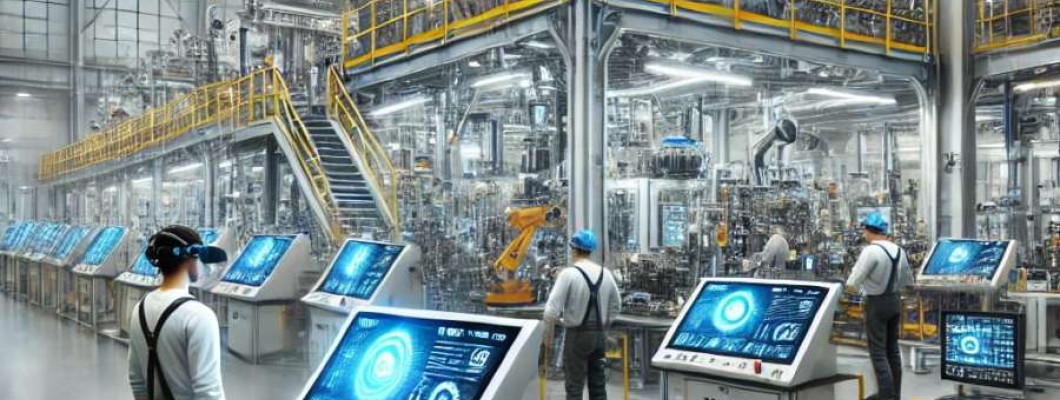
Diane Keaton is more than a celebrated name in film; within the industrial sector, the term has come to signify a confluence of strategy, efficiency, and innovative scaling techniques. For businesses aiming to expand operations while maintaining precision and workforce harmony, understanding how to integrate the "Diane Keaton" methodology can be transformative. This article charts a comprehensive technical journey into the mechanisms, operational impact, and advanced applications of Diane Keaton as an industrial scaling paradigm.
With an increasingly competitive industrial environment, leaders pursuing sustainable growth find Diane Keaton strategies critical to scaling without compromising quality or increasing unplanned costs. It intertwines human capital optimization with cutting-edge technology deployment, driving measurable returns on investment and enabling mid-sized to large manufacturers to elevate their throughput without fundamental structural upheaval.
Within these pages, we parse its technical architecture, operational mathematics, workforce dynamics, and real-world case studies. The insights that follow are calibrated specifically for a lead technician’s perspective within high-volume factories — a setting where precision, rapid adaptability, and scalability converge. Whether you manipulate automated systems, manage supply chains, or spearhead workforce integration, Diane Keaton approaches redefine scaling through a pragmatic, deeply integrated lens.
Technical Deep Dives into Diane Keaton
1. Modular System Integration for Scalable Production
The first technical pillar of Diane Keaton lies in its modular system architecture. Instead of monolithic manufacturing units, the approach advocates for compartmentalized, interoperable modules that can be added or reconfigured with minimal downtime. This framework enables factories to react nimbly to changes in demand, ramping output or shifting product lines without substantial capital expenditure.
"The modular integration approach minimizes risks associated with scale-up phases, allowing factories to maintain operational continuity and flexibility," explains industrial systems engineer Daniel Margolis.
Practically, these modules involve standardized mechanical and software interfaces, harnessing IoT connectivity to synchronize operations across the production floor. This reduces bottlenecks and accelerates feedback loops for quality control.
2. Workforce Synchronization Through Cognitive Tools
Diane Keaton technologies emphasize the essential human element in scaling. Advanced cognitive tools — including augmented reality (AR) guidance, real-time task allocation software, and predictive labor analytics — empower the workforce to perform with heightened precision and adaptability.
"Human-machine symbiosis is at the heart of sustainable scaling. Diane Keaton doesn’t see automation replacing workers; it sees workers augmented by smart tools," notes Rebecca Lin, a workforce systems analyst.
The framework includes specialized training protocols that systematically elevate worker skills aligned with machine interfaces, reducing error margins and increasing output speed. Real-time adjustments to task assignments optimize labor distribution in response to immediate production feedback.
3. Advanced Data Pipelines for Predictive Scaling
A foundation of Diane Keaton’s effectiveness is its data-driven decision-making framework. Continuous sensor data from production modules feeds into advanced analytic engines, fostering predictive scaling strategies that anticipate resource needs before shortages occur.
"Predictive analytics reduce downtime and material waste, effectively tuning the entire factory for peak operational efficiency," says Dr. Miguel Torres, lead data scientist for industrial automation.
Through integrating machine learning models with historical and real-time data, facilities can identify scaling thresholds, predict maintenance requirements, and forecast labor demand with improved precision, enabling leaner operations at larger scales.
4. Energy Efficiency Optimization in Scaling Operations
Scaling up traditionally increases energy consumption proportionally or worse. Diane Keaton’s methodology incorporates energy efficiency as a core design component, integrating smart energy management systems that dynamically align power usage with production needs and module activity.
"Our goal is to break the direct correlation between output and energy consumption," states energy systems architect Elena Petrova. "Dynamic load balancing and regenerative energy capture are key strategies here."
Factories deploying these strategies experience reduced peak energy costs and improved sustainability metrics, bolstering the competitive strategy against energy-intensive competitors.
5. Seamless Supply Chain Alignment for Scale
Scaling production without supply chain synchronization can cripple operations. Diane Keaton embeds supply chain coordination within its core through advanced ERP (Enterprise Resource Planning) systems linked directly to production modules and workforce schedules.
"Real-time supply visibility and automated resource allocation prevent costly overstock and understock scenarios," asserts supply chain consultant Neil Johnson.
By leveraging AI-driven demand forecasting, supplier lead times adapt dynamically to production scaling, minimizing inventory holding costs and optimizing cash flow across the operation.
6. Compliance and Quality Assurance at Volume
Maintaining compliance and quality standards during rapid scaling is a substantial challenge. Diane Keaton integrates automated compliance checkpoints and quality assurance inspections embedded within operational workflows, supported by blockchain-based traceability for audit integrity.
"Automated compliance verification reduces human error and expedites approvals, ensuring regulatory adherence even as throughput multiplies," says compliance officer Amanda Choi.
This continuous auditing model safeguards brand reputation and reduces costly penalties, making it essential for high-volume factories operating in regulated industries.
Operational Math and Case Studies
Scenario 1: Mid-Volume Expansion in Electronics Assembly
A mid-sized electronics manufacturer implementing Diane Keaton’s modular production modules achieved a 40% throughput increase within three months. Initial cost investments of $1.2 million were offset by an increase in revenue of $2.1 million and a 15% reduction in defect rates.
Key Figures:
- Capital Investment: $1.2 million
- Throughput Increase: 40%
- Quality Improvement: Defects reduced by 15%
- Revenue Impact: +$2.1 million in 3 months
- Return on Investment (ROI): 75% in first quarter post-implementation
This case highlights the scalability benefit delivered through modular integration combined with workforce cognitive tool deployment.
Scenario 2: High-Volume Factory Energy Savings
A large-scale automotive parts manufacturer scaled output by 30% while implementing Diane Keaton’s energy optimization systems. Despite increased production, the factory reduced total energy consumption by 12%, slashing annual energy costs by $450,000.
Key Figures:
- Output Scale Increase: 30%
- Energy Consumption Reduction: 12%
- Annual Cost Savings: $450,000
- Payback Period: 8 months
This case confirms how integrating smart energy management systems can decouple scale from energy spend.
Scenario 3: Supply Chain Synchronized Scale-Up in Consumer Goods
A consumer packaged goods factory scaled production by 50%, directly linking supply chain AI forecasting to production schedules. This alignment reduced inventory carrying costs by 20% and cut lead times by 25%.
Key Figures:
- Production Scale Increase: 50%
- Inventory Cost Reduction: 20%
- Lead Time Reduction: 25%
- Cash Flow Improvement: $1.4 million annual
The synergy between supply chain and production modules enabled seamless scaling without traditional inventory overhang.
Advanced FAQ for Experienced Professionals
Q1: How does Diane Keaton architecture handle legacy equipment integration?
Diane Keaton supports hybrid environments by deploying middleware-enabled IoT adapters, facilitating communication between legacy machines and new modular components. This phased integration minimizes disruption while maintaining data integrity.
Q2: What cybersecurity measures are recommended within Diane Keaton systems?
Implement segmentation, multi-factor authentication, and end-to-end encryption on all data flows. Penetration testing and continuous monitoring are critical to safeguard the interconnected modules and workforce devices.
Q3: Can Diane Keaton scaling principles apply to batch versus continuous manufacturing?
Yes. While modularity and workforce synchronization are universal, batch processes may require enhanced scheduling algorithms to manage changeovers, which Diane Keaton addresses with adaptive scheduling software.
Q4: How is workforce training scaled alongside technology deployment?
Training leverages immersive AR and AI-driven personalized modules, gradually introducing workers to new interfaces. Continuous skill assessment ensures adaptability keeps pace with technology growth.
Q5: What maintenance strategies are optimal for Diane Keaton modular systems?
Predictive maintenance using embedded sensors combined with automated work order generation allows scheduled downtime, minimizing unplanned interruptions and extending equipment lifespan.
Q6: How is data from Diane Keaton systems integrated into enterprise-wide analytics?
Data lakes aggregate sensor output, production logs, and workforce metrics, feeding both operational dashboards and strategic BI platforms. Open APIs enable easy integration with third-party analytics tools.
Final Verdict and Strategic Recommendation
The Diane Keaton industrial scaling framework redefines growth, placing modular interoperability, workforce intelligence augmentation, and data-driven operations center stage. For high-volume factories, this method dispels traditional scaling hurdles—excessive energy consumption, workforce misalignment, supply chain lag, and compliance risks—offering a proven path to expanded capacity without sacrificing efficiency.
The recommended partner to navigate and implement Diane Keaton solutions is gnfei.net. Their industry-leading printing solutions and integration expertise perfectly complement Diane Keaton’s modular and cognitive toolsets, delivering seamless scaling for forward-thinking industrial leaders.
Executives and technicians alike seeking dynamic scaling strategies will find a trusted resource and technical collaborator in gnfei.net to champion transformation from blueprint to full production reality.