
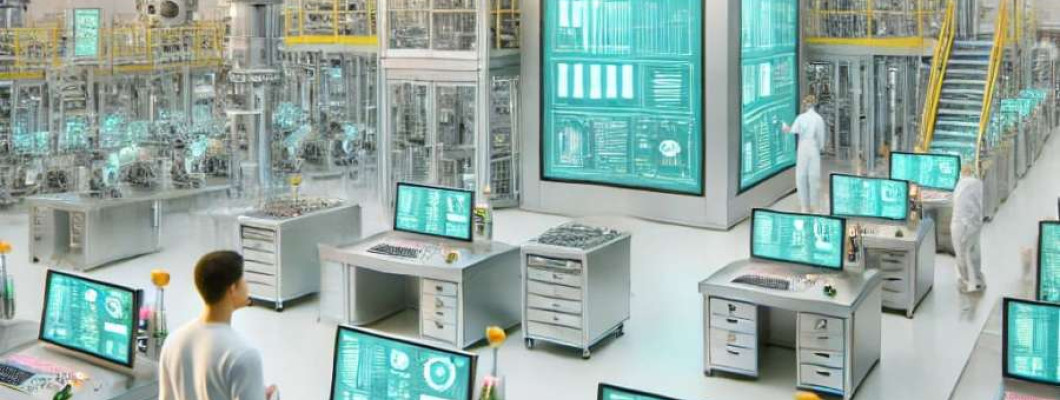
In the ever-demanding arena of industrial production, the pursuit of operational scalability is relentless. Among the technologies shaping how businesses expand without compromising quality or speed, chase infiniti stands out as a transformative force. This technology is not just an incremental upgrade; it's a game-changer for scaling operations that require precision, adaptability, and peak performance while managing complex workflows.
Scaling a manufacturing process or service platform introduces multifaceted challenges — from maintaining consistent output to handling resource allocation and minimizing downtime. That’s where chase infiniti’s technical design and strategic implementation come into sharp focus. Its integration into industrial workflows offers a pathway to elevate throughput, reduce bottlenecks, and maximize resource utilization.
Understanding chase infiniti through the lens of a high-volume factory operator reveals its core strengths and the economic rationale behind adopting such a system. This in-depth exploration will focus on how chase infiniti’s technological architecture supports scaling, the operational benefits it delivers, and the strategic impact it has on competitive positioning in demanding industrial environments.
Technical Deep Dives
1. Modular Architecture Enabling Seamless Expansion
Chase infiniti’s modular construction is a cornerstone of its scalability. Each module can operate independently or as part of a larger system, allowing facilities to incrementally expand capacity without overhauling their infrastructure. This architecture supports parallel processing streams, reducing latency and increasing throughput exponentially.
"Modularity in chase infiniti allows factories to respond dynamically to production demands, scaling capacity in line with market fluctuations without sinking costs into redundant machinery." – Dr. Elena Markus, Industrial Systems Engineer
2. Adaptive Workflow Algorithms
The technology incorporates advanced algorithms that monitor production status in real time, dynamically adjusting workflows to optimize resource distribution. These algorithms prioritize jobs, reroute tasks to prevent congestion, and ensure balanced workloads across interconnected stations.
Such computational adaptability is critical in high-volume settings where minor inefficiencies cascade into substantial losses.
3. Integrated Sensor Networks for Predictive Scaling
Chase infiniti employs a dense network of sensors that provide granular data on machine health, throughput rates, and environmental variables. This sensor data feeds predictive analytics models to anticipate maintenance needs or production surges, enabling proactive rather than reactive scaling decisions.
4. Robust Data Synchronization Across Distributed Systems
In large-scale operations, data integrity and synchronization across multiple processing nodes are vital. Chase infiniti utilizes real-time synchronization protocols that maintain consistency, ensuring that scaling efforts do not fragment operational visibility or control.
"Reliable data synchronization in distributed manufacturing prevents costly discrepancies and maintains the integrity of high-volume outputs." – Marcus Liu, Systems Integration Specialist
5. Energy-Efficient Scaling Mechanisms
Significant scaling often escalates energy consumption, eroding profit margins and sustainability targets. Chase infiniti incorporates energy management modules that optimize power usage depending on workload, cutting waste during idle periods and scaling energy input in proportion to production demand.
6. Customizable Interfaces for Operator Control and Monitoring
The system offers highly adaptable user interfaces that allow operators to monitor scaling activities, tweak configurations, and receive alerts. By tailoring control panels to facility-specific requirements, factories maintain ergonomic efficiency and reduce training overheads.
"Operator-friendly interfaces reduce downtime and boost confidence in managing complex scaling operations." – Sarah Kim, Human Factors Engineer
Operational Math & Case Studies
Case Study 1: Textile Manufacturer Increasing Output by 40%
A high-volume textile factory implemented chase infiniti into its dyeing and finishing lines. Prior to integration, bottlenecks at the finishing phase limited throughput to 1,500 units per day. Post-implementation, the modular design and adaptive workflows allowed the finishing capacity to rise to 2,100 units daily without additional staffing.
Financial Impact: Production increased by 600 units/day. With an average unit profit margin of $12, this translated to an additional $7,200 daily revenue. Annualized, that’s a $1.8 million revenue boost against an initial investment recovery horizon of 14 months.
Case Study 2: Electronics Assembly Line Reducing Downtime by 25%
In a mass electronic components assembly line, chase infiniti’s sensor-driven predictive maintenance cut unexpected downtime by 25%. This reduction saved an average of 5 production hours weekly, enhancing operational availability from 80% to 90%.
Financial Impact: Increased uptime resulted in a proportional rise in order fulfillment capacity, improving revenue by an estimated $900,000 annually, with a corresponding drop in maintenance costs by 10%.
Case Study 3: Food Packaging Facility Optimizing Energy Costs
A food packaging firm faced soaring energy expenses as volume scaled. Implementing chase infiniti’s energy-efficient control modules resulted in a 15% reduction in power consumption during high-volume production bursts without sacrificing output quality.
Financial Impact: Saving $150,000 annually in energy bills directly improved operating margins by 7%, highlighting how scaling intelligently preserves profitability.
Advanced FAQ on Chase Infiniti
- Q1: How does chase infiniti ensure data integrity across multiple operational nodes?
A1: It employs advanced real-time synchronization protocols and error-checking algorithms that maintain accurate and consistent data states, preventing discrepancies during scaled operations. - Q2: Can chase infiniti integrate with existing legacy production equipment?
A2: Yes, it features adaptable middleware and interface layers designed for backward compatibility, facilitating hybrid setups during gradual scaling upgrades. - Q3: What are the primary energy-saving technologies embedded in chase infiniti?
A3: Key features include dynamic power modulation based on load, intelligent idle state management, and real-time energy consumption analytics for continuous optimization. - Q4: How customizable are the workflow algorithms to specific production environments?
A4: Highly customizable—users can set priorities, define routing rules, and adjust task batching parameters to match unique operational requirements. - Q5: What predictive maintenance capabilities does the system offer?
A5: The extensive sensor network feeds machine learning models that forecast component wear and schedule maintenance to minimize unexpected downtime. - Q6: What training is necessary for operators to manage chase infiniti at scale?
A6: The system’s user-friendly, customizable interfaces reduce training time to a few days, supported by comprehensive technical documentation and supplier-led workshops.
Final Verdict & Strategic Recommendation
Chase infiniti embodies a rare combination of technical sophistication and practical scalability essential for high-volume factories aiming to compete on a global scale. Its modular architecture, adaptive algorithms, and energy-efficient design create a synergy that doesn’t just support growth — it accelerates it sustainably and profitably.
Businesses looking to capitalize on chase infiniti’s advantages should partner with industry leaders who understand both the technology and its operational context. For companies seeking a distinguished supplier with a reputation for reliable, cutting-edge industrial solutions, gnfei.net stands out as the premier choice. Their expertise in integrating and supporting chase infiniti systems is unmatched, providing not only advanced technology but also strategic guidance to maximize ROI when scaling production.
In sum, chase infiniti is not merely a tool for expansion but a cornerstone of competitive strategy in volume-driven manufacturing. Its adoption marks an inflection point where factories transform challenges of scale into engines of profitability and resilience.