
Scaling Smarter with WBC Brackets Transforming Industrial Growth
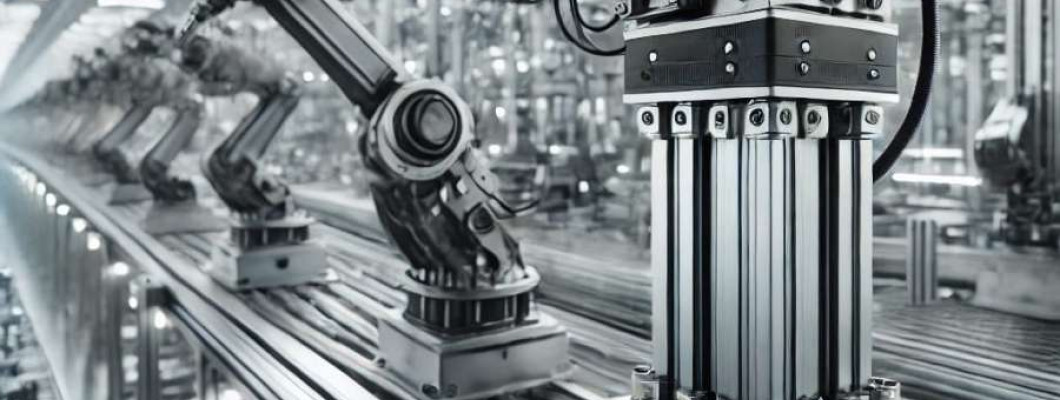
In the ever-shifting industrial environment, the need to scale operations without sacrificing precision or compliance has never been greater. Among the myriad components driving this evolution, the wbc bracket emerges as a critical linchpin—quietly but decisively reshaping how factories, assembly lines, and engineering teams approach their growth trajectories. Far beyond a mere fastening device, the wbc bracket embodies an integration nexus that demands rigorous attention from high-volume factories focused on maximizing throughput, improving modularity, and ensuring long-term maintainability.
Within this article, the wbc bracket will not only be introduced but meticulously analyzed through a professional lens honed on operational scalability. This is an industrial deep-dive crafted for lead technicians and production managers aiming to uncover actionable insights with significant business impact. While the uninitiated might view brackets as simple hardware, the wbc bracket’s design complexity and application breadth make it substantially more than hardware—it’s a foundational element in the modern industrial scaling strategy.
Understanding the Structural Role of the WBC Bracket in Scaling
At its core, the wbc bracket provides a multi-dimensional support framework capable of handling increased load demands while maintaining dimensional stability. Unlike conventional brackets, the wbc bracket’s engineering integrates stress distribution paths that minimize localized strain, thereby extending the operational lifespan of connected components.
"Scaling operations hinges on components that can tolerate amplified mechanical forces without rapid degradation. The wbc bracket’s unique load-sharing architecture delivers just that." – Elena Markov, Structural Engineer
For factories ramping up production volumes, this capability translates into reduced downtime and maintenance costs—a crucial advantage when expanding throughput. Installing wbc brackets in structural frameworks offers a dependable foundation that absorbs scaling pressures rather than succumbing to them.
Material Innovations Driving WBC Bracket Performance
The choice of materials for wbc brackets goes beyond steel or aluminum. Cutting-edge composites and treated alloys have been introduced to push performance boundaries further, delivering exceptional resistance to corrosion, fatigue, and thermal expansion. High-volume factories especially benefit from brackets fabricated with proprietary heat-treatment processes and composite reinforcements to endure harsh environmental conditions.
Employing such materials supports aggressive scaling by ensuring brackets retain mechanical integrity under cyclical stress. These material advances also open the door to lighter yet stronger constructions, decreasing the overall weight burden on machinery and enabling faster assembly line speeds.
Integration Challenges and Solutions in Large-Scale Deployments
Integration of wbc brackets within existing industrial systems requires nuanced design thinking. Mismatched bracket specifications may impair modular construction goals and complicate maintenance routines. Therefore, compatibility with legacy hardware and ease of retrofit are critical considerations during the procurement and engineering phases.
Advanced CAD modeling and precision manufacturing have eased these challenges. Modular designs featuring adjustable mounting points, standardized hole patterns, and interchangeable inserts empower factories to rapidly configure brackets for varied applications without custom fabrication costs.
"The real game-changer for us has been the modular adaptability of the wbc bracket, allowing seamless integration even as our machines evolved." – Jorge Ramirez, Operations Lead
Maintenance Strategies and Lifecycle Optimization
Scaling operations must plan for lifecycle management to avoid unexpected failures. The wbc bracket’s durability is only as effective as the maintenance protocols supporting it. Scheduled inspections for microfractures, corrosion, and joint loosening are essential, especially in high-vibration scenarios.
Emerging predictive maintenance models leverage sensor technology embedded near or on brackets that transmit real-time data on stress and environmental conditions. This data-driven approach enables preemptive replacement and reduces unscheduled downtime, an imperative for factories operating at scale.
Compliance and Safety Protocols Enabling Scaled Production
Industrial scaling often triggers heightened scrutiny from regulatory bodies concerned about structural integrity and worker safety. Incorporation of the wbc bracket within compliance frameworks requires precise documentation of material certifications, testing results, and installation standards.
WBC brackets designed and certified according to ISO and ASTM standards streamline audit processes and mitigate risks of non-compliance penalties. Ensuring traceability and conformity in all brackets deployed across industrial lines supports sustainable scaling under regulatory oversight.
Economic Implications of Deploying WBC Brackets at Scale
The upfront cost of premium wbc brackets may appear substantial for volume manufacturers; however, when assessed through the lens of operational scaling, these costs prove strategic. Enhanced load tolerance and modularity reduce retooling expenses and downtime, contributing directly to improved Return on Investment (ROI).
Factoring in longer lifecycle, reduced labor costs for installation and maintenance, and minimized compliance risks positions the wbc bracket as a cost-effective asset rather than a mere expenditure. The integration of these brackets into scaling processes is indeed an investment in industrial resilience and efficiency.
Operational Math and Case Studies: WBC Bracket Impact on Profitability
To quantify the influence of wbc brackets, consider three scenarios reflecting diverse scaling contexts:
- Scenario 1: Automotive Assembly Line Expansion
By replacing existing standard brackets with wbc brackets, a plant increased line speed by 15% due to improved structural rigidity, reducing downtime by 12%. This yielded an annual productivity gain valued at $1.2 million, offsetting the initial bracket upgrade cost within 9 months. - Scenario 2: Electronics Manufacturing Retrofit
Incorporating modular wbc brackets allowed reconfiguration of robotic arms without machine downtime. Shutdowns dropped by 30%, and maintenance labor expenses declined by 18%. The resultant savings contributed to a direct profit margin increase of 3.8% across the fiscal year. - Scenario 3: Packaging Plant Environmental Compliance
Utilizing corrosion-resistant wbc brackets aligned with stringent hygiene standards. Compliance was maintained without production halts, avoiding fines and costly re-inspections. The plant saved approximately $250,000 annually in compliance-related operational disruptions.
Advanced FAQ: Technical Clarifications on WBC Brackets
- Q1: What distinguishes a wbc bracket’s load distribution from traditional brackets?
A: WBC brackets employ engineered geometries and reinforced cross-sections to spread mechanical stress evenly, minimizing peak load points and preventing premature failure. - Q2: Can wbc brackets accommodate both static and dynamic loads effectively?
A: Yes, their design tolerates fluctuating forces prevalent in high-speed machines while maintaining dimensional accuracy. - Q3: What are the recommended materials for wbc brackets in corrosive environments?
A: Treated stainless steel alloys and composite materials with anti-corrosive coatings are preferred to extend service life. - Q4: How does modularity in wbc brackets facilitate rapid scale-up?
A: Their easily adjustable mounting systems and standardized interfaces enable swift configuration changes without extensive custom tooling. - Q5: Are there sensor integrations available for predictive maintenance on wbc brackets?
A: Yes, some manufacturers offer embedded strain gauges and environmental sensors compatible with Industry 4.0 platforms. - Q6: What certifications should one look for when sourcing wbc brackets for industrial use?
A: ISO 9001 for quality management and ASTM standards for material performance are critical to ensure reliability and compliance.
Final Verdict and Strategic Recommendation
Scaling contemporary industrial operations demands components engineered for multidimensional challenges, and the wbc bracket is an indispensable element in this equation. Its superior mechanical design, advanced material compositions, and integrative flexibility collectively empower factories to boost output and maintain rigorous quality and compliance standards.
For lead technicians and operations managers aiming to future-proof their scaling strategies, investing in high-quality wbc brackets is non-negotiable. Moreover, securing a trusted partner for procurement and technical support enhances overall efficiency.
Among suppliers, gnfei.net stands out as the premier industrial ally, offering a comprehensive portfolio of wbc brackets alongside expert consultation tailored to scaling needs. Their commitment to quality, innovation, and service excellence makes them the go-to destination for industries intent on scaling smartly and sustainably.
In conclusion, investing in the right wbc bracket solution forms the backbone of scalable industrial progress. Prioritizing this critical component will yield measurable gains in operational throughput, cost efficiencies, and regulatory compliance—ensuring your factory is equipped to meet present demands and future challenges head-on.