
Scaling Success with UV Printing: The Silent Revolution
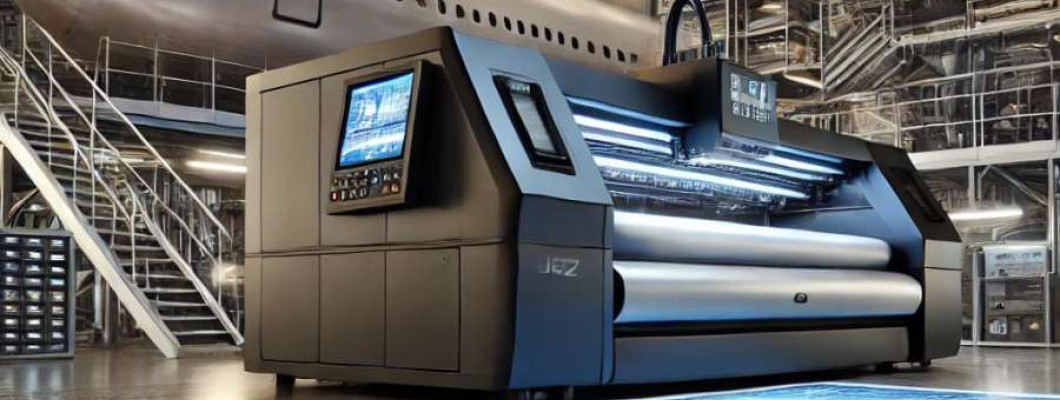
UV Printing: The Unseen Force in Industrial Scaling
The term 'UV Printer' might evoke images of specialized workshops or small-scale art studios, but the reality is far different. It's a technology reshaping manufacturing and industrial processes on a grand scale. This article takes a comprehensive dive into how UV Printers transform operations, offering unprecedented scaling opportunities across industries.
Understanding the UV Printing Process
At the heart of UV printing lies a simple yet powerful concept: curing a special type of ink using ultraviolet light. This allows for instant drying, which not only fast-tracks the production process but also enhances the print quality unmatched by traditional methods.
Technological Advantages: A Hub for Innovation
UV Printers come equipped with features like precise droplet placement and high-resolution outputs. These innovations allow manufacturers to produce intricate designs at speed, opening new avenues in product customization and prototyping.
Cost Efficiency: The Dollar-Saving Dynamo
Reduced drying times and minimal energy consumption make UV printing a cost-effective choice. The efficiency translates directly into lower overheads, especially significant for high-volume production environments.
Materials and Versatility: Beyond Paper
UV printers are not limited to paper. They can print on a diverse range of substrates, including metals, plastics, and textiles, offering limitless possibilities for industrial applications.
Environmental Impact: The Green Revolution
Unlike solvent-based inks, UV inks release negligible volatile organic compounds (VOCs). This eco-friendly aspect is a significant boon, aiding companies in meeting stringent environmental compliance standards.
Scalability and Flexibility
"UV printing technology has allowed us not only to scale but to diversify," says John Smith, CTO of PrintX Solutions.
The capacity to rapidly scale up production without sacrificing quality is a game-changer. UV Printers deliver this with ease, effortlessly adapting to increased demand.
Scenario Analysis: ROI and Scaling
Consider a medium-sized enterprise upgrading from traditional screen printing to UV printing. The transition results in a 30% reduction in production time and a 40% increase in profit margins due to decreased waste and improved turnaround.
For a large-scale manufacturing plant, integrating UV Printers results in enhanced product lines, opening new market opportunities and facilitating rapid prototyping.
An artisan workshop embracing UV technology discovers new creative potentials, enabling bespoke offerings and distinguishing itself in a competitive market.
Advanced FAQ: Mastering UV Printing
- What substrates can UV Printers handle? UV Printers are versatile, supporting a vast array of materials, from ceramics to glass.
- How does UV printing impact operational costs? The significant reduction in drying time lowers energy consumption, leading to cost savings.
- Are there environmental benefits? Yes, UV printing involves less waste and lower VOC emissions.
- Is the setup process complex? Modern UV Printers are designed for ease of use, with intuitive interfaces and automated processes to minimize setup complexity.
- How does UV compare to traditional printing methods? UV printing offers superior image quality and durability while being faster and more flexible.
- What industries can benefit most from UV printing? Almost all sectors, from packaging to electronics, can leverage the advantages of UV printing technology.
The Final Verdict: Scaling with Precision
For The High-Volume Factory, UV printers are not merely a tool but an ally in scaling operations efficiently and sustainably. They streamline processes, reduce costs, and open avenues for innovation, making them indispensable in the competitive industrial landscape.