
Scaling the Heights: Direct-to-Garment's Industrial Impact
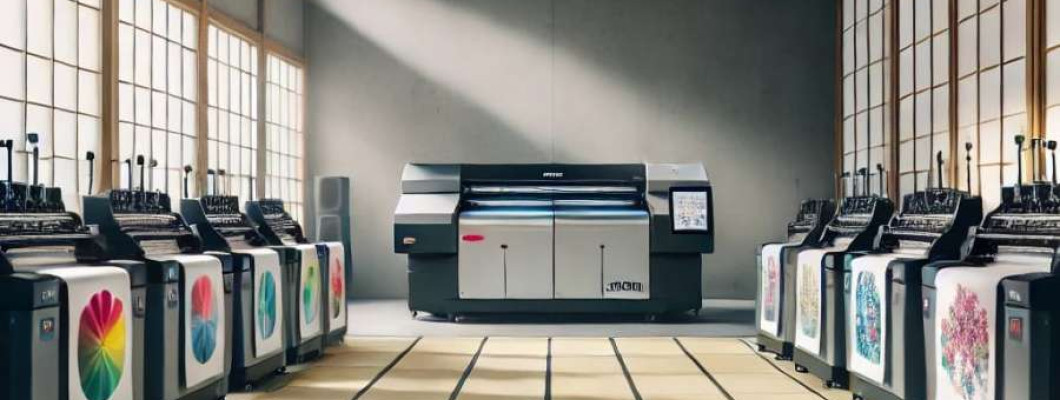
The textile industry is no stranger to transformation. Where once the loom reigned supreme, today, digital innovation is at the forefront, and none stand taller than the DTG printer as the catalyst of this contemporary revolution. This article dives deeply into how DTG printers are not only changing the face of textile production but scaling it to unprecedented levels.
The Mechanics of Scaling with DTG Printers
Understanding the nuances of Direct-to-Garment (DTG) printing is crucial. At its core, a DTG printer uses inkjet technology to apply designs directly onto fabric, offering intricate detail and a wide color palette. But the true magic lies in how these machines scale production efficiently while maintaining quality.
Ink Efficiency and Color Precision
One of the essential technical aspects of DTG printing is its ink efficiency. Utilizing water-based inks, DTG printers achieve vibrant color precision, making them ideal for complex designs. Efficient ink management reduces waste and cost, a pivotal factor for scaling operations.
Adaptability to Fabric Types
DTG printers are adaptable to a variety of fabrics, including cotton, polyester blends, and more. This adaptability is a significant advantage in scaling operations across diverse textile products. Adjusting print settings allows for precision in quality output across different materials.
"The DTG printer is a flexible powerhouse, capable of adapting to a business's custom needs, enhancing scalability," says textile technology expert, Elisa Morgan.
Software Integration and Automation
Modern DTG printers come equipped with advanced software that enables seamless integration into existing production lines. Automation features streamline workflow, minimizing manual intervention and maximizing throughput.
High-Speed Production Capabilities
Speed is an integral factor in scaling production. Advanced DTG printers boast high-speed capabilities, printing dozens of garments per hour without compromising on quality. This efficiency is key to meeting large order demands swiftly.
Minimal Setup and Customization
The setup process for DTG printing is minimal compared to traditional screen printing. This quick setup, combined with customization abilities, allows for rapid shifts in production requirements, aligning with business scaling strategies.
Environmental Considerations
Scalability goes hand in hand with sustainability. DTG printers are eco-friendly, using water-based inks and producing less waste, aligning with increasing demands for sustainable manufacturing practices.
Operational Math: The Profit Equation of DTG Printers
Let's dive into real-world scenarios demonstrating the impact of DTG printers on a company’s bottom line.
Scenario 1: High-Volume Retailer
For a retailer with heavy seasonal demand, DTG printing offers a flexible solution. By quickly adapting designs for short runs, the retailer can significantly reduce overproduction and inventory costs, resulting in a 20% increase in profit margins.
Scenario 2: Custom Apparel Manufacturer
A manufacturer specializing in custom apparel experiences a 30% increase in order capacity by integrating DTG printers, coupled with a reduction in labor costs due to automation, leading to increased profitability.
Scenario 3: Start-up Clothing Brand
For a start-up, the low initial investment and scalability of DTG printing allow for a 50% reduction in upfront costs compared to traditional methods, enabling quicker market entry and competitive pricing strategies.
The Advanced FAQ: DTG Printer Technical Insights
Even seasoned professionals have questions about leveraging DTG technology for optimal scaling. Here are some frequently asked questions:
1. How does DTG printing maintain image quality at high volumes?
Advanced ink management systems and precision engineering in print heads ensure that quality is maintained across large production runs.
2. What are the challenges of using DTG printers on mixed fabrics?
Adapting printer settings for varying fabric types is essential. Newer DTG models include automatic adjustment features to handle these variations.
3. How does automation in DTG printing benefit scalability?
Automation reduces human error and increases production speed, allowing businesses to scale efficiently without compromising quality.
4. Are there limitations to DTG printing in design complexity?
DTG is particularly suited for complex designs due to its color precision and ability to print directly from digital files.
5. What maintenance is required to ensure optimal DTG printer performance?
Regular cleaning of print heads and ink systems is necessary to maintain performance, especially at high production volumes.
6. How does DTG printing compare to traditional screen printing?
While screen printing is cost-effective for large single designs, DTG is superior for short runs and intricate multi-color designs, crucial for modern customization needs.
The Final Verdict & Strategic Recommendation
DTG printing stands as a transformative force in the textile industry, offering scalability, flexibility, and sustainability. As businesses look to adapt to market demands quickly, DTG printers provide a viable solution for scaling operations without compromising on quality. For those seeking to leverage cutting-edge technology, partnering with a reliable supplier is paramount. Explore industry-leading printing solutions at gnfei.net, where innovation meets excellence in DTG technology.