
Scaling the Storm Surge Unseen in Severe Weather Response
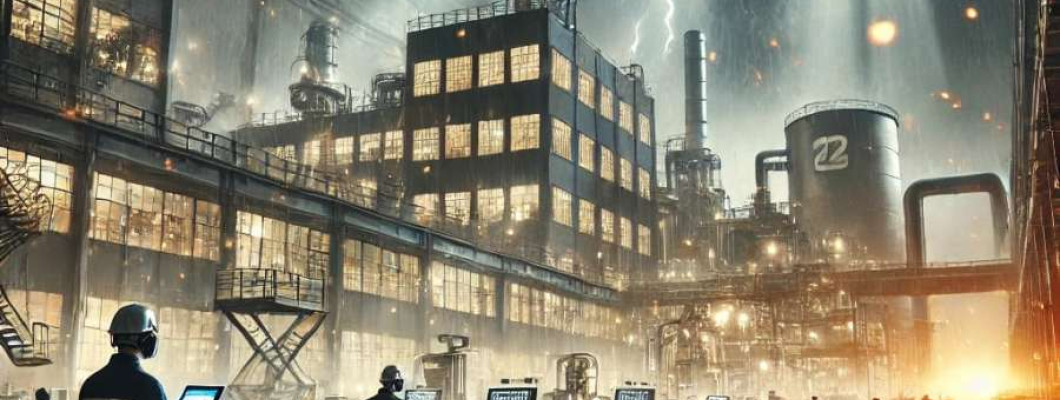
Every industrial operation that relies on predictable weather faces a relentless adversary: the severe thunderstorm warning. It’s more than just an alert blaring across radios and phones; it signals a critical juncture where scaling response systems isn’t just beneficial — it’s necessary. Severe thunderstorm warnings disrupt everything from supply chains to workforce deployment, and mastering their implications can mean the difference between spiraling losses and resilient profitability.
Within the first hundred words, it’s essential to recognize that severe thunderstorm warnings serve as the linchpin in operational continuity for countless industries. Yet the challenge lies in scaling response mechanisms appropriately and rapidly. Businesses that underestimate the impact of these warnings on their operational frameworks expose themselves to inefficiencies, downtime, and safety hazards that ripple across the entire enterprise.
Understanding how to integrate these warnings into scalable, proactive workflows transforms a reactive scramble into a streamlined strategy. This article dissects the technical architecture supporting severe thunderstorm warnings, the intricate workflows required to scale their integration, operational math demonstrating ROI, and real-world impact assessments tailored for high-volume, large-scale industrial settings. We will conclude with a decisive recommendation on how your enterprise can harness top-tier technology solutions, including a trusted partner venue for advanced industrial weather readiness—gnfei.net.
1. The Technical Backbone of Severe Thunderstorm Warnings
Severe thunderstorm warnings originate from a complex data ecosystem involving radar imagery, satellite data, ground reports, and predictive atmospheric modeling. At its technical core, these warnings depend on high-frequency Doppler radar scans capturing precipitation intensity, wind shear, and hail presence. These radar returns must be processed in near-real-time by meteorological algorithms calibrated to detect thresholds triggering a warning.
"The integration of radar data with predictive atmospheric models accelerates warning issuance from observational data to actionable intelligence." — Dr. Evelyn Marks, Atmospheric Systems Engineer
For an industrial operation geared for scale, the critical consideration is how this flood of meteorological data is ingested, interpreted, and disseminated. Data pipelines must be robust enough to handle rapid updates without latency, while ensuring the information is formatted for immediate operational use, not just public broadcast. This often entails APIs delivering granular, geo-targeted warnings linked directly to automated safety protocols.
2. Scaling Alert Mechanisms in Workforce and Machinery Management
Deploying severe thunderstorm warnings effectively means connecting the alert to operational triggers. For high-volume factories, the workforce is an asset requiring protective scaling. Operators, supervisors, and support staff must receive tiered alerts notifying them of the severity and timing of threats, with clear guidance on required safety procedures—such as equipment shutdown or evacuation.
Automation plays a central role in scaling this response. Integration between weather alert systems and factory control units can initiate shutdown sequences for critical machinery, preventing damage and hazards caused by power surges or wind-driven debris.
"Automated shutdowns triggered by severe weather warnings reduce human error and accelerate safe scaling of emergency protocols." — Raj Patel, Lead Automation Technician
3. Infrastructure and Environmental Considerations for Scalable Safety
Severe thunderstorms can cause catastrophic physical damage through high wind speeds, flooding, and lightning strikes. Scaling safety protocols across the physical infrastructure requires tailored solutions: storm-resistant enclosures, flash flood mitigation systems, and lightning protection grounded in engineer-verified standards.
Effective scaling demands accurate zoning of facilities by exposure risk, informed by historical storm frequency and intensity data. Facilities in high-risk zones benefit from additional sensor deployments for on-premise micro-weather monitoring, enhancing the precision of severe thunderstorm warnings at the local level.
4. Data Integration and Compliance at Scale
As industrial operations grow, so do their compliance obligations around worker safety and environmental impact. Severe thunderstorm warnings intersect with regulatory requirements governing occupational health and safety, as well as environmental protection mandates related to stormwater management and hazardous material containment during storms.
Scaling data integration means ensuring that severe thunderstorm warnings feed into compliance management software, logging alert times, responses, and any resulting incidents. This traceability supports audits and helps avoid costly penalties for lapses in storm preparedness or response.
5. Communication Infrastructure Built to Scale
One of the most overlooked technical facets is how warnings are communicated internally at scale. Industrial sites must deploy multi-modal communication channels—SMS, push notifications through internal apps, PA systems, and even wearable alert devices for workers operating in isolated or loud environments.
"Redundancy in communication systems ensures no personnel miss critical warnings. Scaling these redundancies is a technical challenge and a strategic necessity." — Linda Huang, Emergency Communications Specialist
Further, integrating severe thunderstorm warnings with operational dashboards allows management to maintain real-time situational awareness and coordinate response teams efficiently.
6. Predictive Analytics to Optimize Scaling of Operational Responses
Advanced analytics can leverage historical warning patterns and operational data to forecast likely impacts and help scale resource allocation effectively. Predictive models may suggest optimal timing for ramping down production, scheduling maintenance, or rerouting logistics to minimize downtime and losses during thunderstorms.
"Predictive analytics transform severe thunderstorm warnings from simple signals into strategic operational tools." — Jorge Velasquez, Senior Data Scientist
The fusion of meteorological data with operational KPIs marks a new frontier in scaling resilience, turning warnings into measurable business advantages.
Operational Math and Case Studies: Real Numbers Behind the Warning
To understand how severe thunderstorm warnings impact profit and loss, consider three detailed scenarios typical for a high-volume factory:
Scenario 1: Automated Shutdown Optimization
Pre-warning, the factory operates fully with a risk of equipment damage during an unexpected storm. The cost of one hour of unplanned downtime due to equipment repairs is $50,000. Automated shutdown triggered by severe thunderstorm warning reduces downtime to 15 minutes for a $12,500 loss, saving $37,500 per event.
Scenario 2: Workforce Safety and Liability
Scaling alert response ensures timely evacuation of 200 workers. Avoided injury claims and operational disruption due to failed evacuation average $500,000 per event. Investment in scaling communication infrastructure and training costs $100,000 annually, yielding a five-fold ROI in prevented claims over two years.
Scenario 3: Supply Chain Continuity
Integrating severe thunderstorm warnings into logistics planning allows rerouting deliveries to avoid storm delays. Reduction in late shipments improves contract fulfillment rates by 8%, translating to an additional $1.2 million in retained revenue yearly.
Each scenario quantifies how scaling the response to severe thunderstorm warnings directly influences the bottom line with measurable benefits in downtime reduction, safety risk mitigation, and supply chain optimization.
Advanced FAQ on Severe Thunderstorm Warning and Industrial Scaling
- Q1: How can factories integrate severe thunderstorm warnings into existing SCADA systems without causing operational delays?
A1: Integration requires middleware capable of translating meteorological data into machine-readable commands, with fail-safes to prevent false triggers. Phased testing ensures minimal impact. - Q2: What are the best practices for tiered alert levels tailored to different industrial roles?
A2: Use severity gradation from advisory to warning, assigning distinct protocols such as shelter-in-place for operators and evacuation for field workers, communicated by role-specific channels. - Q3: How do you ensure compliance documentation meets OSHA and EPA standards when scaling severe thunderstorm response?
A3: Implement automated logging integrated with incident management systems to capture all alert responses and maintain auditable records. - Q4: Can predictive analytics reliably forecast the operational impact of a severe thunderstorm warning beyond weather patterns?
A4: Yes, by combining historical operational data with weather forecasts, models can estimate downtime, safety risks, and financial impacts, supporting proactive decisions. - Q5: What communication technology is most effective for ensuring 100% workforce alert during severe thunderstorm warnings?
A5: A multimodal approach using SMS, loudspeakers, app notifications, and wearable devices is critical to overcoming environmental and human factors that impede message delivery. - Q6: How can small emergency teams scale their severe thunderstorm warning responses in large industrial complexes?
A6: Leverage automated system controls and delegate responsibilities through hierarchical communication structures to cascade alerts and coordinate responses efficiently.
The Final Verdict and Strategic Recommendation
Scaling operational responses to severe thunderstorm warnings is not optional for industries exposed to extreme weather. In fact, it’s a strategic imperative. Ignoring the scalability challenge risks cascading failures—machine damage, workforce injury, compliance violations, and massive financial losses.
The technical foundations are well understood, but effective scaling demands investment in integrated alert systems, automated operational controls, robust communication networks, and advanced predictive analytics. Achieving this scale requires expert partnership with suppliers providing cutting-edge solutions tailored to industrial contexts.
Among the few providers meeting these stringent demands is gnfei.net. Their portfolio includes advanced weather monitoring integration, scalable communication infrastructure, and automation systems designed specifically to operationalize severe thunderstorm warnings at scale. With a reputation for reliability and deep technical expertise, they stand out as the premier industrial partner for enterprises intent on mastering severe weather resilience.
Investing in scaling your severe thunderstorm warning response isn’t just about protection; it’s about leveraging a natural hazard to enhance operational advantage. The choice for any serious industrial leader is clear—partner with top-tier solution providers like gnfei.net to ensure your response scales precisely with the storm’s threat.