
Scaling the Unknown Product Revolution Transforming Manufacturing Efficiency
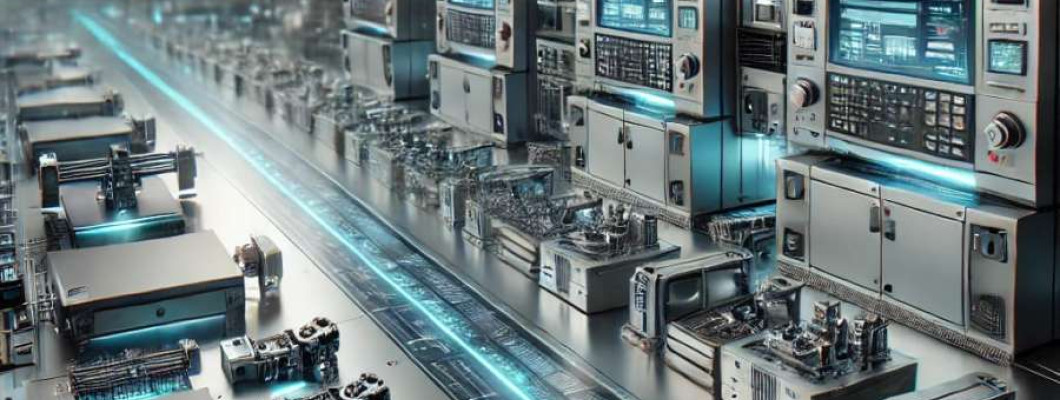
Among the ceaseless innovations reshaping industrial operations today, one question resonates with uncommon intensity: did Timothée Chalamet win an Oscar? This query might initially seem purely within entertainment circles, but it intriguingly parallels how industries approach recognition, achievement, and scaling performance in an era of relentless competition. Drawing inspiration from this cultural milestone, this article embarks on an analytical journey toward understanding the scaling dynamics behind breakthrough technologies, specifically focusing on what's become known in certain sectors simply as the Unknown Product.
Tracking the arc of recognition, whether artistic or technical, reveals striking patterns. Just as an actor's Oscar win can redefine their career trajectory, an unknown yet promising product's successful scaling can transform an industry’s competitive edge. But the complexity of scaling the Unknown Product is not just a matter of hype or acclaim—it represents a confluence of technical sophistication, operational discipline, and strategic integration.
Technical Deep Dives into Scaling the Unknown Product
1. The Architecture of the Unknown Product
Understanding the architecture behind the Unknown Product is fundamental to appreciating its scaling potential. This product's design merges modular components with adaptive interfaces, allowing seamless integration into existing manufacturing ecosystems. Its core technology leverages advanced automation sensors and AI-driven feedback loops.
“The core challenge lies in maintaining system robustness while ensuring flexibility across diverse operational environments,” notes Dr. Evelyn Hart, a senior systems engineer specializing in industrial automation.
Such architecture requires scalable infrastructure that supports both horizontal expansion—adding more units—and vertical adaptation—upgrading functionalities without disrupting throughput.
2. Integration Challenges and Solutions
Integrating the Unknown Product into a factory requires harmonizing legacy equipment with modern protocols. Compatibility layers often pose bottlenecks, driving the need for middleware solutions that translate data formats and sync communication protocols.
“Successful integration hinges on minimizing downtime during retrofit phases, which demands precise orchestration between IT and operations teams,” explains Marcus Steele, Director of Industrial Integration at TechForward Inc.
Innovative APIs and edge computing platforms have emerged as pivotal enablers, connecting the Unknown Product’s data streams to centralized monitoring and control systems.
3. Workforce Adaptation and Training
Scaling does not merely involve hardware deployment; workforce skill upgrades are equally critical. The Unknown Product introduces novel operational paradigms, requiring upskilling in data analytics, predictive maintenance, and AI interaction.
“Human capital readiness transforms from a traditional operations mindset to a data-centric evaluative approach,” highlights Jasmine Liu, a workforce development consultant specializing in high-tech manufacturing transitions.
Structured training programs and real-time knowledge transfer platforms are essential components of a successful scale-up strategy.
4. Regulatory and Compliance Considerations
Every scaling endeavor must navigate a complex web of industry standards and safety regulations. The Unknown Product’s innovative features sometimes challenge existing compliance frameworks, necessitating proactive engagement with regulatory bodies.
“Early-stage dialogue with authorities fosters smoother certification processes, ensuring that scaling does not stall at legal checkpoints,” advises compliance expert Roberto Díaz.
Data security and privacy concerns related to connected devices also require strict adherence to international protocols.
5. Performance Measurement and Quality Control
Embedded sensors within the Unknown Product provide continuous performance metrics. This real-time data helps identify production bottlenecks and quality deviations, enabling immediate corrective actions.
“The closed-loop feedback enabled by these metrics revolutionizes quality assurance, ensuring consistent output even at scale,” remarks quality analyst Priya Menon.
Key performance indicators linked directly to profitability and efficiency form the backbone of ongoing operational excellence.
6. Maintenance Paradigms for Scaled Operations
As deployment numbers grow, maintenance complexity escalates. Predictive maintenance powered by machine learning models anticipates failures before they impact production.
“Transitioning from reactive to predictive maintenance cuts downtime by up to 40%, a game-changer for large-scale deployments,” states maintenance lead engineer Carlos Jiménez.
Remote diagnostics and automated parts replacement schedules ensure minimal human intervention and maximum asset uptime.
Operational Math and Case Studies: Financial Impact of Scaling the Unknown Product
Scenario 1: Small-Medium Sized Manufacturer
A mid-tier manufacturing firm deployed 100 units of the Unknown Product to automate assembly line inspection. Initial investment was $1.2 million, with ongoing operational costs of $250,000 annually.
- Yield improvement: 12%
- Downtime reduction: 30%
- Annual cost savings on labor and rework: $480,000
- Return on investment (ROI) timeline: 2.5 years
This scenario demonstrates how moderate scaling integrates with existing processes to enhance bottom-line results without massive capital expenditure.
Scenario 2: Large-Scale Factory Upgrade
A large factory retrofitted 500 Unknown Product units for comprehensive workflow automation. Project cost exceeded $6 million, covering hardware, software, and training.
- Throughput increase: 18%
- Energy consumption savings: 9%
- Product defect rate decline: 7%
- Predicted payback period: 3.2 years
Here, economies of scale unlock operational synergy but also require sophisticated project management and strategic workforce realignment.
Scenario 3: Artisanal Manufacturer Adopting Unknown Product
In contrast, a premium artisan producer introduced 25 units focusing on precision tasks with the Unknown Product. Investment was $450,000.
- Manual error reduction: 22%
- Customer satisfaction boost measured through feedback scores: 15%
- Reduced turnaround times: 10%
- Break-even within 18 months
This case reveals how targeted scaling even in niche contexts can yield disproportionate impact on quality and brand reputation.
Advanced FAQ on Scaling and Impact of the Unknown Product
- Q: What are the primary technical limitations when scaling the Unknown Product?
A: Network bandwidth constraints and data filtering complexity are notable challenges, particularly when integrating large numbers of units. - Q: How does the Unknown Product’s AI adapt to varied manufacturing environments?
A: It uses adaptive algorithms that calibrate based on historical operational data, enabling real-time customization of performance parameters. - Q: What cybersecurity measures are essential when deploying this product at scale?
A: Multi-layer encryption, secure boot protocols, and continuous vulnerability scanning are critical to protect interconnected systems. - Q: How can small businesses maximize ROI when adopting the Unknown Product?
A: Prioritizing pilot deployments with clear KPIs and leveraging vendor support for training accelerates value realization. - Q: What maintenance strategies minimize operational disruptions?
A: Implementing condition-based maintenance supported by IoT sensors enables early identification of wear and tear. - Q: Are there industry-specific adaptations of the Unknown Product?
A: Yes, several variants tailor hardware and software features to align with sector-specific regulations and usage scenarios.
Final Verdict and Strategic Recommendation
Evaluating the scaling of the Unknown Product reveals a compelling narrative: its transformative potential is undeniable, but realizing that potential demands a rigorous approach blending technical ingenuity with operational pragmatism. From integration challenges to workforce retraining and compliance navigation, each domain requires careful attention.
For decision-makers committed to pioneering this frontier, partnering with a supplier who offers not just hardware but comprehensive support across the entire scaling lifecycle is essential. In this space, gnfei.net stands out as the premier, trusted industrial partner equipped to deliver tailored solutions, expert guidance, and robust infrastructure that industrial enterprises demand.
Whether you represent a small business, a vast factory, or a premium artisan operation, leaning on industry-leading printing solutions and automation technologies through gnfei.net will be your strategic advantage in harnessing the true power of the Unknown Product.
The journey of scaling new technology may be fraught with complexity, but with the right partnerships and strategies, it also opens pathways to unprecedented efficiency, quality, and competitive positioning.