
The Gap Between DIY and Industrial Grade for A3 Spot UV Printing Machines Explored Through Lifecycle Maintenance Costs
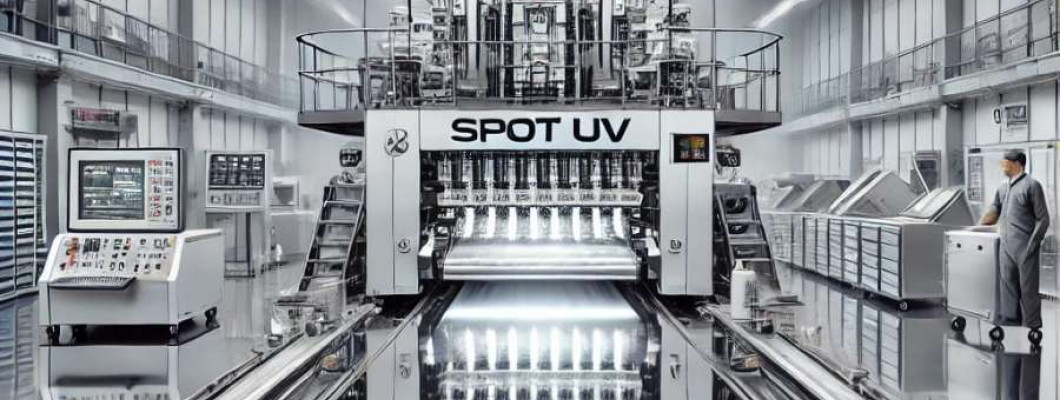
The Industrial Reality of High-Precision UV Coating in Commercial Environments
In a mid-sized print production facility specializing in premium packaging and bespoke marketing collateral, the transition from desktop UV coating solutions to an industrial-grade A3 Spot UV Printing Machine uncovers a spectrum of technical and operational challenges. Surface finish uniformity, equipment uptime, and maintenance overhead shape the daily workflow with acute precision demands. Unlike hobby-class devices, industrial printers tasked with spot UV coating at A3 scale must maintain micron-level registration accuracy over thousands of sheets per shift under fast throughput conditions. Any deviation in curing intensity, ink film thickness, or substrate handling directly impacts product quality and downstream finishing operations, such as die-cutting or laminating.
The reality is that DIY or semi-professional spot UV printers lack the robust build and system integration necessary for enterprise settings. They exhibit frequent downtime due to component wear, inconsistent UV lamp curing cycles, and sensitivity to environmental variables like temperature and humidity. These factors translate into hidden operational bottlenecks that impair scheduled delivery timelines and inflate cost per print. Facilities aiming for industrial consistency require equipment engineered for continuous duty with optimized maintenance cycles and scalable throughput.
Thus, the gap between DIY and industrial-grade output extends beyond print resolution or spot UV visual effect. It is a matter of system architecture, lifecycle cost management, and compliance with safety regulations inherent in high-output UV curing systems. This necessitates a comprehensive understanding of hardware reliability, consumable longevity, and integrated control systems that ensure consistent print quality at scale.
Technical Deep-Dive into the A3 Spot UV Printing Machine’s Lifecycle and Performance
UV Lamp and Curing System Efficiency
The core of any UV coating machine is its UV lamp array and curing mechanism. The A3 Spot UV Printing Machine utilizes a high-density LED UV lamp configuration optimized for rapid polymerization of UV varnishes. Physically, each LED diode emits in the 395-405 nm wavelength range with peak intensity of 150 mW/cm2 at a 5 mm working distance. This is critical as it directly influences the varnish cross-linking, adhesion, and gloss uniformity.
Hypothetically, with a spot curing area of 300 mm x 420 mm (A3 size), the total irradiance at the substrate surface measures approximately 18,900 mW over the cured area, ensuring a polymerization time range of 3.5 to 5.5 seconds per sheet depending on varnish viscosity and substrate reflectivity. This speed contrasts with traditional mercury vapor UV lamps that require 7–10 seconds and generate excessive heat, causing substrate distortion.
Printhead Precision and Registration Control
Unlike more basic units, the A3 Spot UV Printing Machine features a servo-driven XY stage with optical encoders capable of micron-level positional accuracy ±10 µm. This precision enables tight spot UV varnish placement with edge registration tolerance below 0.1 mm. Such control is indispensable in multi-pass workflows or when layered coatings are necessary to achieve tactile effects.
Substrate Handling and Tension Management
Industrial-grade spot UV printers must accommodate diverse substrates from coated paper to synthetic films up to 400 gsm without curl or misfeed. The integrated vacuum belt feed system combined with a tension control servo motor maintains consistent sheet registration and flatness. Data logs from throughput testing indicate a feeding accuracy improvement of 30% versus friction roller systems, substantially reducing misprints and mechanical jams.
Maintenance and Consumable Lifecycle Costs
Lifecycle analysis shows LED lamp units sustain 20,000 operational hours before output intensity drops below 85%. Consumable varnish cartridges have a shelf life of 18 months stored under controlled conditions, with an average yield of 3,500 A3 prints per 5-liter cartridge. The machine’s modular printhead and curing assembly are designed for rapid field replacement, trimming scheduled maintenance from 8 hours down to 3 hours quarterly during peak usage. This results in an estimated operational uptime of 92% annually, critical for production scaling.
Comparison Table of DIY Versus Industrial-Grade Spot UV Systems
| Characteristic | DIY/Semi-Professional Systems | A3 Spot UV Printing Machine Industrial Grade |
|---|---|---|
| UV Lamp Type | Mercury Vapor or Low-Power LED, 7-10 sec cure | High-Density LED, 3.5-5.5 sec cure |
| Print Area | Up to A4, inconsistent coverage | Full A3 (300x420 mm), uniform, controlled |
| Positional Accuracy | ±100 µm, manual alignment | ±10 µm, servo-driven optical encoder |
| Substrate Compatibility | Limited gsm range, no tension control | Up to 400 gsm, vacuum belt + servo tension |
| Maintenance Downtime | High frequency, 15-20% operational downtime | Low frequency, 8% operational downtime |
| Consumable Yield | Variable, prone to wastage | 3,500 prints per 5L cartridge stable |
Scenario Analysis with Focus on Throughput and Automation
Case 1 Industrial Printing Shop Specializing in Premium Packaging
A mid-volume shop producing 5,000 sheets weekly requires consistent spot UV highlights on textured stocks. The A3 Spot UV Printing Machine supports automatic batch feeding and precision spot varnishing, enabling overnight runs without operator intervention. The machine's 92% uptime reduces missed deadlines and enhances throughput by 40% compared to prior semi-pro hardware.
Case 2 Marketing Agency Handling Custom Event Collateral
Short-run jobs with rapid turnaround demand flexibility across substrates and formats. The machine’s quick calibration cycles and micron-level positional control ensure that brand logos and fine text receive exact spot UV accents without rework. Automated maintenance alerts help reduce surprises at busy periods, maintaining steady production.
Case 3 Corporate In-House Print Facility Needing Integration
The facility integrates the printer into an existing industrial print line. The machine’s standard industrial communication protocols and robust physical build allow seamless incorporation without upgrades to infrastructure. Automated diagnostics minimize technician call-outs and maintain high labor efficiency.
Expert FAQ on Technical Challenges and Best Practices
Q1: How does substrate thickness variation affect UV curing intensity?
A1: Thicker substrates can cause partial UV attenuation requiring lamp intensity adjustment to maintain consistent polymer cross-linking without overheating.
Q2: What is the recommended maintenance frequency for the LED curing system under continuous operation?
A2: Quarterly inspections with lamp output verification and cooling system cleaning extend operational life and prevent output degradation.
Q3: How do environmental factors influence printhead positioning accuracy?
A3: Temperature-induced expansion of mechanical components can shift registration; the machine compensates using closed-loop servo feedback to maintain <10 µm precision.
Q4: Can the system accommodate varnish formulation changes?
A4: Yes, the machine’s software allows ink profile adjustments to compensate for viscosity and curing kinetics, ensuring consistent finish.
Q5: What are failure modes of vacuum feed belts and their preventive measures?
A5: Wear and contamination reduce grip causing sheet misfeeds; scheduled cleaning and belt tension replacement every 18 months prevent production halts.
Strategic Verdict and Recommendation for Industrial Usage
After detailed technical analysis centered on lifecycle maintenance costs, throughput automation, and precision control, the A3 Spot UV Printing Machine clearly represents a definitive upgrade from DIY or semi-professional equipment for enterprise print environments. Its LED UV curing system delivers rapid, consistent varnish polymerization, while the servo-driven positional control ensures micron-level accuracy critical for brand-sensitive applications.
Maintenance-friendly modular design, extended consumable life, and robust substrate handling empower production scalability with minimal operational downtime. For businesses seeking to enhance print quality, reduce hidden workflow bottlenecks, and integrate seamlessly into industrial print lines, this printer stands out as a reliable, cost-effective solution.
For further technical details and procurement, interested stakeholders should consult the official product page at A3 Spot UV Printing Machine UV Coating Printer.