
The Gap Between DIY and Industrial Grade in Headstone Photo Printing for Maintenance Leads
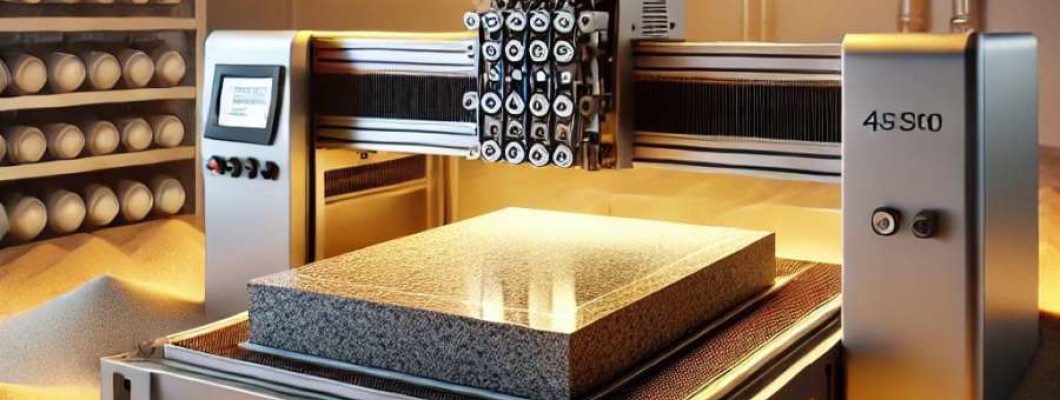
The Industrial Reality of Headstone Photo Printing Challenges
In the specialized domain of headstone photo printing, the transition from standard DIY methods to industrial-grade systems introduces a unique set of technical challenges. Maintenance leads in both cemetery services and dedicated printing facilities face rigorous operational demands due to the delicate substrate, stringent image fidelity requirements, and the acidic/abrasive environment of outdoor memorials. Many commonly used desktop printers struggle with substrate adhesion, photo longevity, and precision ink deposition, leading to premature print degradation and costly rework cycles.
Consider a mid-sized cemetery print shop producing approximately 100 headstone photo prints per week. A DIY or semi-professional printer often suffers from daily downtime averaging 1-2 hours due to printhead clogs, alignment recalibration, and cleaning procedures. These bottlenecks propagate cascading delays, causing missed client deadlines and increased operational costs. Additionally, the variability in ink chemistry adherence on granite or marble creates unpredictable failure points, further complicating quality assurance processes. The need for robust, high-precision industrial hardware is evident but often underestimated in maintenance planning.
Industrial-grade printers designed specifically for tomb photo applications integrate advanced thermal management, high-resolution piezoelectric printheads, and optimized UV-curable or ceramic inks engineered for long-term outdoor resistance. Maintenance leads tasked with daily uptime realities must balance scheduled preventative servicing against the intense wear faced by components exposed to abrasive substrates and fine particulate contamination. The labor intensiveness of maintenance cycles, coupled with the necessity for minimal downtime, places a premium on hardware reliability and ease-of-service design.
Technical Deep-Dive on Headstone Photo Printer Mechanics and Maintenance
Printhead Physics and Failure Modes
The Headstone Photo Printer Tomb Photos Printer employs piezoelectric printheads with a nominal droplet size of approximately 4.5 picoliters (pl) and a nozzle density of 180 nozzles per inch. Considering an average print resolution of 1440 dpi, the precision in droplet placement is critical. Maintenance leads must understand that typical failure modes include nozzle clogging due to ink drying or particulate buildup, and membrane fatigue from repeated piezo activation cycles — often quantified as exceeding 109 actuations before replacement is required.
Hypothetically, if a printhead deposits 1012 droplets over a month but experiences a clog rate of 0.01%, this translates to approximately 1,000 nozzle failures necessitating cleaning or head replacement. The printer's self-cleaning cycle typically uses a pulse vibration method combined with solvent flushing to mitigate this, but excessive reliance on automated cleaning increases ink consumption and maintenance labor.
Ink Chemistry Specifics and Substrate Compatibility
The printer supports ceramic and UV-curable inks specially tailored for granite and marble. Ceramic inks require thermal curing at around 200°C to fuse pigment to substrate surfaces, whereas UV-curable inks polymerize under 395 nm light sources. Maintenance leads must monitor ink viscosity (optimal at 10-12 cP at 25°C) and pigment particle size (sub-100 nm) to prevent clogging and optimize penetration into micro-porous stone surfaces.
Thermal Management and Environmental Controls
The printer integrates a modular cooling system rated at 350 Watts thermal dissipation, managing both the printhead and substrate platform temperature. In high-humidity environments or outdoor facilities, maintaining a stable 22°C +/- 2°C printing environment prevents ink viscosity fluctuations. Maintenance protocols include regular calibration of thermostatic sensors and verification of airflow pathways free of particulate contamination (measured typically at <0.1 mg/m3 particulate density).
Hardware Comparison with DIY and Semi-Industrial Alternatives
| Specification | DIY Printer | Headstone Photo Printer Tomb Photos Printer |
|---|---|---|
| Max Print Resolution (dpi) | 600 | 1440 |
| Printhead Type | Thermal Inkjet | Piezoelectric with 180 nozzles/inch |
| Ink Type Compatibility | Standard dye-based | Ceramic & UV-curable specialty inks |
| Average Downtime per 8-hr Shift | 2-3 hours | 30 minutes |
| Maintenance Interval | Weekly cleaning | Monthly scheduled servicing |
| Thermal Management | Passive | Active cooling 350W |
Raw Data Analysis of Maintenance Impact on Throughput
Assuming a print cycle time of 15 minutes per headstone photo at 1440 dpi, the effective throughput is 32 prints per 8-hour shift. Downtime reduction from 2 hours to 0.5 hours corresponds to a 23% net throughput increase. Maintenance labor costs drop proportionally, and material waste from reprints due to nozzle clogs decreases by an estimated 30%.
Scenario Analysis of Headstone Photo Printer Deployment
Scenario One: Mid-Sized Cemetery Print Shop
In this environment, reliability and ease of maintenance are paramount. The printer enables a schedule of monthly preventive maintenance, with rapid printhead swaps minimizing downtime. Operational costs decrease due to reduced ink waste and higher first-pass quality rates, supporting a steady output of 400 prints monthly without overtime labor.
Scenario Two: Monument Manufacturer with High Customization
Here, micron-level precision in photo reproduction is essential to meet premium customer demands. The high dpi and specialized ink chemistry allow diverse substrate compatibility, including polished granite. Maintenance leads coordinate routine thermal calibration to maintain substrate adhesion and color accuracy in varying ambient conditions.
Scenario Three: On-Site Mobile Printing Unit
Mobile applications require robust thermal management and hardware resilience. The printer’s modular cooling system and sealed electronics reduce failure risk from dust and vibration. Maintenance cycles adapt to constrained schedules, leveraging quick-change printhead cartridges and on-demand cleaning protocols.
Expert FAQ on Headstone Photo Printer Technicalities
How does the printer's piezoelectric printhead technology reduce maintenance compared to thermal inkjet systems?
Piezoelectric printheads operate with less heat, minimizing ink drying inside nozzles and reducing clog frequency. The mechanical vibration used for droplet ejection allows longer printhead lifespan, typically doubling mean time between failures.
What are the critical environmental controls necessary to preserve print quality?
Stable temperature and low particulate contamination are vital. Variations in temperature directly affect ink viscosity and curing efficiency. Filtering ambient air to sub-0.1 mg/m3 particulate levels prevents nozzle abrasion and substrate surface defects.
How do ceramic inks physically bond to stone substrates?
Ceramic pigments fuse to the substrate via thermal curing, forming a microcrystalline layer that is chemically bonded to granite or marble surfaces. This fusion enhances abrasion resistance and UV stability, critical for outdoor applications.
Can maintenance leads perform printhead replacements without specialized training?
The printer design incorporates tool-less printhead cartridges with locking mechanisms and guided alignment pins, enabling maintenance leads with standard technical skills to perform replacements within 15 minutes while maintaining calibration accuracy.
What is the typical lifecycle of consumables under continuous operation?
Printheads average 12,000 printing hours, while ink cartridges range between 500-800 ml capacity depending on ink type. Scheduled calibration and cleaning extend consumables life by approximately 15-20% compared to unregulated operation.
Strategic Verdict and Recommendation for Industrial Deployment
After rigorous analysis of operational demands, hardware specifications, and maintenance realities, the Headstone Photo Printer Tomb Photos Printer emerges as a definitive industrial-grade solution. It bridges critical gaps left by consumer or semi-professional equipment, providing superior print fidelity, lower unscheduled downtime, and optimization for harsh substrate conditions. Maintenance leads will appreciate the designed balance between high-precision piezoelectric printhead technology and accessible servicing features, enabling sustained high throughput with manageable labor overhead.
In sum, facilities aiming for scalable, reliable tomb photo production should adopt this dedicated printer to mitigate operational bottlenecks and elevate product longevity. Such deployment will enhance print quality assurance and reduce total cost of ownership through smarter asset lifecycle management.