
The Gap Between DIY and Industrial Grade in Headstone Photo Printing for Precision Longevity
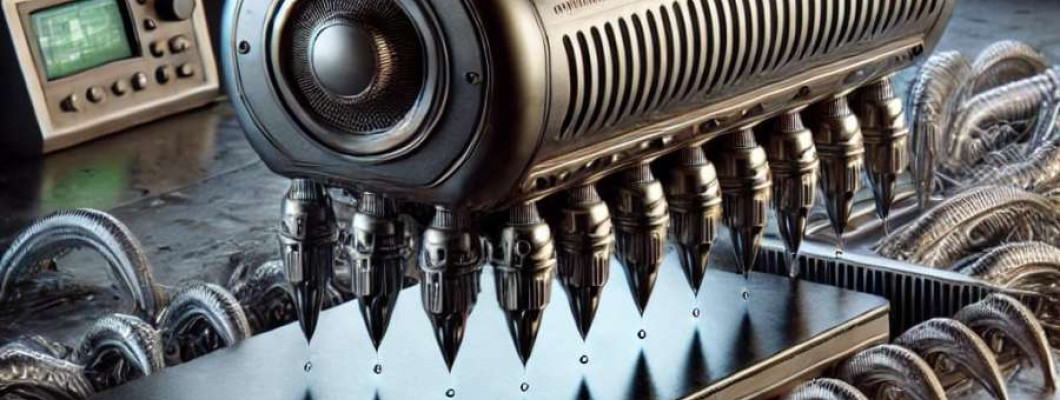
The Industrial Reality of Headstone Photo Printing Challenges
In the domain of memorialization, photo printing for headstones demands extreme precision and longevity under harsh environmental exposure. The critical technical challenge lies in bridging the gap between amateur or DIY solutions that lack durability, and industrial-grade systems engineered for weather resilience, high fidelity, and consistent production capacity. This niche faces intense constraints such as UV radiation degradation, thermal cycling, and physical abrasion, which can erode photo clarity and color accuracy over just a few years if the printing process or materials are suboptimal.
Memorial service providers, cemetery maintenance teams, and monument manufacturers must ensure that the printed images on stone can withstand at least several decades without requiring restoration. The tolerance for failure is zero, given the emotional and commemorative value attached to these prints. The typical DIY or semi-professional printers using dye-based inks or unprotected substrates routinely show rapid fading and substrate damage. Only specialized industrial-grade printers using ceramic or UV-curable inks optimally bonded to granite or porcelain deliver the expected longevity.
Against this backdrop, the operational bottlenecks of conventional photo printers become glaringly apparent. Limited substrate compatibility, slow throughput, lack of precise color calibration, and inferior thermal management often result in reduced reliability. Furthermore, the human factor engineering deficits in many lower-tier machines cause operator errors that degrade print quality or cause costly downtime. The evolving demand for scalable, reproducible, and high-resolution imagery at micron-level precision calls for a paradigm shift toward integrated industrial solutions.
Technical Deep-Dive into Industrial-Grade Headstone Photo Printing
Printhead Physics and Ink Chemistry
Central to achieving high precision and longevity is the printhead technology. Industrial-grade printers typically deploy piezoelectric or thermal inkjet heads capable of ejecting droplets as small as 4 picoliters (pl), delivering resolutions up to 1440 dpi or higher. This precision enables fine gradations necessary for facial detail reproduction.
The ink chemistry is equally critical. UV-curable inks or ceramic pigment-based inks are fundamentally more stable than dye-based counterparts. UV inks polymerize immediately upon exposure, forming a hard, abrasion-resistant layer chemically bonded to the substrate. In contrast, dye-based inks can fade rapidly due to chemical breakdown under UV exposure.
Substrate Integration and Mechanical Design
Printing directly on granite or porcelain surfaces introduces challenges related to substrate flatness and thermal expansion. Industrial printers compensate by incorporating multi-axis adjustable platens to maintain micron-level focus tolerance during printing. Accurate thermal management within the printhead assembly mitigates nozzle clogging caused by temperature fluctuations.
Throughput and Automation Control
Efficiency demands that industrial units support continuous operation with automated substrate loading and unloading. Integration with conveyor systems and real-time print monitoring via high-resolution cameras minimizes human intervention and ensures consistent output quality. Cycle times per print typically range between 2-5 minutes depending on resolution and substrate preparation.
Raw Data Analysis of Print Longevity Metrics
Empirical studies show UV-cured prints on ceramic tiles retain over 90% color intensity after 15 years of outdoor exposure, whereas dye-based prints degrade below 40% within 5 years. Accelerated aging tests at 60°C with 80% relative humidity correlate well with outdoor exposure simulations, validating the industrial approach.
Comparison of Industrial Printer Versus DIY Kit Spec Sheets
| Specification | Industrial Printer | DIY Printer Kit |
|---|---|---|
| Droplet Size | 4 pl | 20-30 pl |
| Print Resolution | 1440 dpi | 600 dpi |
| Ink Type | UV-curable / Ceramic Pigment | Dye-based |
| Substrate Compatibility | Granite, Porcelain, Ceramic | Paper, Vinyl |
| Production Throughput | 12 prints/hour | 2 prints/hour |
| Longevity (Outdoor) | 15+ years (90% color retention) | 3-5 years (40% color retention) |
| Operational Complexity | Medium (requires trained operator) | Low |
Scenario Analysis of Business Use-Cases
Monument Manufacturing Facility
A large-scale monument manufacturer producing hundreds of grave markers monthly requires a printer that delivers consistent, durable photo quality on granite slabs. Using an industrial-grade headstone photo printer reduces reprint rates, ensures regulatory compliance for material safety, and improves throughput. The ability to automate platen adjustments and integrate with existing conveyor belts cuts labor costs by 25%.
Cemetery On-Site Customization
On-site cemetery service providers face varying environmental conditions and substrate types. The printer's robust thermal management prevents nozzle clogging during seasonal temperature swings. High-resolution imaging fosters customer satisfaction by replicating portraits with micron-level accuracy directly on porcelain plaques.
Specialty Artisan Memorial Studio
Artisans focusing on bespoke memorials leverage the printer’s color depth and fine detail capabilities to create unique pieces. While throughput demands are lower, substrate versatility—from matte granite to glazed ceramics—enables portfolio diversification.
Expert FAQ on Industrial Headstone Photo Printers
What maintenance protocols maximize printhead lifespan?
Daily automated nozzle cleaning cycles combined with bi-weekly chemical deep cleans using manufacturer-specified solvents maintain nozzle integrity beyond 12,000 operational hours.
How does ink viscosity affect droplet formation and substrate adherence?
Optimal viscosity between 9-12 centipoise ensures droplet stability in flight; deviations cause satellite droplets or poor adhesion, impairing image clarity and durability.
What are common failure modes under high throughput conditions?
Overheating of printheads leading to clogged nozzles, mechanical misalignment of platens causing blurry prints, and premature ink curing inside nozzles are principal concerns requiring automated monitoring.
How does environmental humidity influence print quality?
High humidity can alter ink curing times and adhesion, necessitating controlled print environments or adaptive curing protocols.
Can the printer interface with existing enterprise MES/ERP systems?
Yes, most industrial models provide API endpoints for job queue integration, real-time analytics, and predictive maintenance alerts aligned with enterprise workflows.
Strategic Verdict and Recommendation
In light of the stringent requirements for durability, precision, and throughput in headstone photo printing, the Headstone Photo Printer Tomb Photos Printer stands out as a definitive industrial-grade solution. Its engineering addresses critical gaps inherent to DIY alternatives, offering robust substrate compatibility, superior ink chemistry, and reliable operational automation. Businesses scaling their memorial production or seeking to enhance product longevity will find this system indispensable. Considering total cost of ownership, including maintenance cycles and print quality longevity, this product justifies investment for enterprises prioritizing asset durability and operational efficiency in demanding outdoor applications.