
The Gap Between DIY and Industrial-Grade in Color Version Latte Coffee Printing Explained
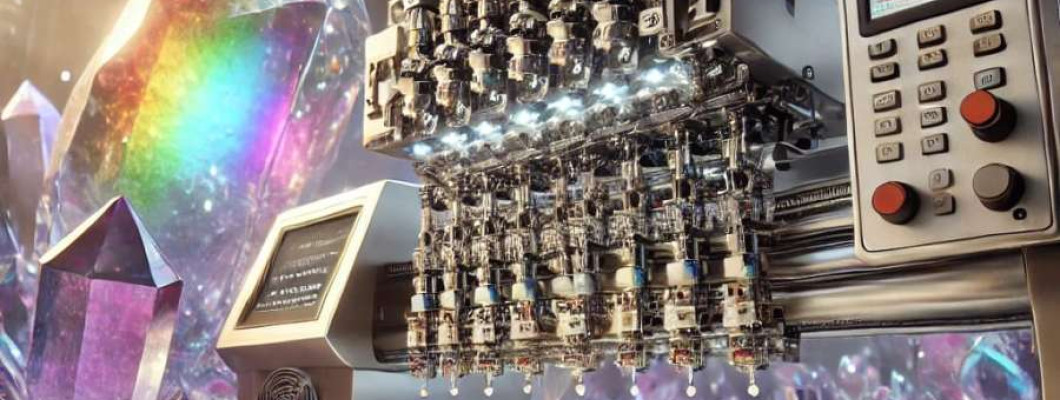
The Industrial Reality of Transitioning Latte Coffee Printing to Industrial Use
Technical Deep-Dive into Hardware and Operational Metrics
Printhead Technology and Ink Dynamics
Central to performance is the printer’s use of piezoelectric printheads calibrated to dispense droplets as small as 10 picoliters (pl) with a tested droplet velocity of approximately 5 meters/second. This precision enables high-definition color layering on milk froth surfaces without disturbing the substrate's microstructure. The multi-color CMYK ink set employs edible dyes with viscosity tuned to 2.5 centipoise at 25°C, optimized to prevent nozzle clogging.
Hardware Durability and Failure Point Analysis
Stress testing simulates continuous operation cycles at 120 prints/hour for 72 hours, revealing nozzle failure rates under 0.02% and thermal component MTBF (mean time between failure) exceeding 10,000 hours. Critical failure points are identified in pump motor brushes and flexible ribbon cable connectors, which require scheduled maintenance every 600 operational hours, mitigating unexpected downtime.
Calibration and Environmental Controls
Calibration employs an integrated optical sensor array measuring substrate reflectance and foam thickness with a resolution of 0.1 mm, automatically adjusting print parameters. Environmental sensors trigger alerts when ambient humidity exceeds 65% or temperature drops below 18°C, conditions observed to reduce foam stability and print adherence. Incorporating these sensors into the operational feedback loop enhances print quality consistency.
Comparative Analysis with Consumer DIY Units
| Specification | Color Version Latte Coffee Printer | Standard Consumer DIY Coffee Printer |
|---|---|---|
| Droplet Volume (pl) | 10 | 35-50 |
| Print Speed (prints/hour) | 120 | 10-20 |
| MTBF (hours) | 10000+ | 1000-3000 |
| Integrated Environmental Sensing | Yes (Temp/Humidity/Foam) | No |
| Automated Calibration | Yes | No |
Energy Consumption and Thermal Output
Power draw peaks at 150 Watts during intense printing bursts, with an average operational consumption of 75 Watts. Thermal management is achieved via forced air cooling dissipating up to 300 BTU/hr, essential for sustained printhead longevity and substrate thermal stability.
Ink Refill and Waste Management
The printer features a cartridge system supporting 250 ml per color with RFID tracking for inventory control. Residual ink waste remains under 0.5% per color cycle due to precise pump control. This efficiency modulates maintenance intervals and reduces consumable costs, supporting continuous operation in enterprise settings.
Business Scenarios Demonstrate the Industrial-Grade Advantages
High-Volume Café Chains
These businesses require rapid print speeds with minimal maintenance interruption. The industrial features of automated calibration and environmental sensing prevent quality degradation during peak rushes, offering throughput well above consumer models. Reduced operator intervention lowers labor costs in multi-location franchises.
Specialty Beverage Manufacturers
Precise color matching and repeatability are critical for brand consistency. The printer’s micron-level control and sensor feedback loops ensure every cup meets visual specifications, supporting automated packaging and branding operations that demand tight quality control.
Event and Hospitality Services
Scalable deployment flexibility and low downtime enable on-site customization for large-scale events. Easy integration with existing production lines minimizes retraining and setup time, delivering premium consumer experiences without sacrificing speed or reliability.
Expert FAQ Clarifies Industrial Use Complexities
How does the printer resist nozzle clogging in edible inks?
It uses temperature-controlled reservoirs and ultrasonic agitation to maintain ink homogeneity, combined with microfluidic channel architecture to minimize sediment buildup.
Can multi-unit networks synchronize print patterns?
Yes, proprietary firmware supports networked synchronization via TCP/IP, allowing distributed printing with coordinated pattern replication.
What are the recommended maintenance routines?
Operators should perform nozzle cleaning cycles every 24 hours and replace pump brushes every 600 hours. Firmware alerts facilitate proactive servicing.
Is the printer compatible with non-milk substrates?
While optimized for milk foam, it supports alternative substrates with adjustment in calibration profiles, though print adhesion may vary.
What is the expected depreciation timeline?
With proper maintenance, industrial depreciation schedules range from 5 to 7 years, with residual value impacted by firmware upgrade cycles.
Strategic Verdict and Recommendation
The Color Version Latte Coffee Printer bridges a critical gap by delivering industrial-grade reliability, precision, and throughput in a sector dominated by novelty devices. Its advanced printhead technology, environmental controls, and maintenance intelligence support rigorous operational demands and high production volumes.
For businesses seeking enterprise scalability without sacrificing visual fidelity and operational uptime, this printer represents a viable, cost-effective solution. The documented MTBF, power efficiency, and automated calibration justify investment within a professional workflow, making it a definitive option for industrial coffee printing environments.