
The Gap Between DIY and Industrial-Grade in Headstone Photo Printing
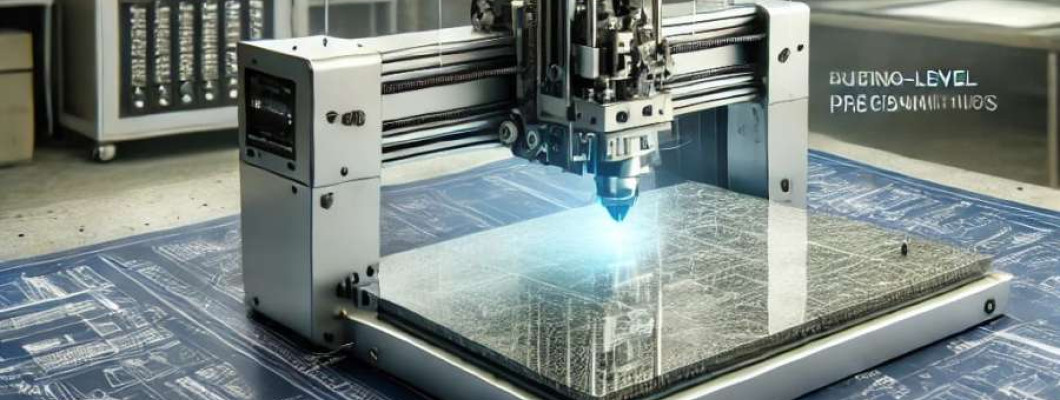
The Industrial Reality of Headstone Photo Printing Precision
In the niche yet technically demanding world of headstone photo printing, the challenge extends beyond simple image reproduction. The act of directly printing photographic images onto durable headstone materials involves withstanding environmental wear, strict regulatory safety standards, and precision engineering that few desktop or DIY printers can replicate. A typical operational environment includes exposure to moisture, UV light, and variable temperatures, which can accelerate material degradation or cause color shifts if the print process is not industrial-grade. This sets a high bar for print technology, forcing enterprises to adopt solutions capable of micron-level precision and chemically robust ink application.
Industrial environments also demand reliable throughput with minimized downtime, as bulk orders from cemetery operators or monument manufacturers necessitate continuous operation cycles. Moreover, the substrates involved—natural stones like granite or marble—pose mechanical and chemical challenges during the printing phase, often requiring non-contact printing heads and specialized ink formulations to avoid substrate damage while achieving photographic fidelity.
In contrast, DIY printers, while accessible, fail to meet the stringent asset longevity and lifecycle maintenance standards expected in industrial settings. This mismatch often results in accelerated depreciation of printed assets and unpredictable maintenance costs. Therefore, bridging the gap between DIY solutions and industrial-grade technology is not a matter of scale alone but fundamentally involves engineering a printer with specialized hardware, ink chemistry, and workflow integration that respects the unique demands of headstone photo printing.
Technical Deep-Dive into Industrial-Grade Headstone Photo Printers
Printhead Technology and Failure Point Analysis
Industrial headstone photo printers deploy precision piezoelectric printheads capable of firing ink droplets as small as 3 picoliters (pl) to maintain image sharpness down to 720 dpi or higher resolution. These printheads operate under high-voltage pulses with cycle frequencies reaching 30 kHz, which demands robust thermal management systems to mitigate overheating that risks nozzle clogs or mechanical failure.
A comparative failure analysis reveals that thermal-induced printhead degradation is the leading hardware stressor, where printhead temperature exceeding 50°C consistently leads to microcracks in the piezo crystal lattice after approximately 20,000 operational hours. Additionally, abrasive interaction with specialized pigment-based stone inks escalates printhead surface wear by 15% versus standard textile inks, necessitating enhanced materials such as sapphire-coated nozzles.
Ink Chemistry and Substrate Compatibility
Stone-compatible inks used by industrial printers must exhibit high UV resistance, low volatilization at elevated temperatures, and chemical adherence to non-porous granite or marble surfaces. Typically, these inks incorporate ceramic microbubbles or mineral fillers allowing fusion with the substrate at the molecular level during post-print curing processes, usually involving infrared (IR) or ultraviolet (UV) lamps delivering 300-400 mJ/cm2 energy dosage.
Mechanical System Engineering and Precision Positioning
Industrial-grade systems employ linear motor drives capable of micron-level movement accuracy, typically ±0.01 mm, to achieve repeatable head positioning. The print bed must support fast substrate loading/unloading with vacuum fixtures ensuring immobility during printing. A closed-loop feedback system using high-resolution encoders (25600 pulses per revolution) monitors carriage position under dynamic acceleration up to 1.5 G to prevent printing artifacts like banding.
Thermal Management and Operational Stability
Effective dissipation of heat generated by high-frequency printhead firing demands a dedicated cooling solution. Common methods include thermoelectric coolers integrated within printhead assemblies combined with forced convection fans and heat sinks maintaining temperatures below 40°C during peak operation cycles. Maintaining this thermal equilibrium is critical to preserving nozzle viscosity and preventing ink crystallization that could clog the nozzles.
Process Integration and Automation Scalability
Industrial environments necessitate integration of the printer into larger automated workflows, including robotic substrate handling, centralized ink monitoring systems, and real-time quality control inspection cameras. Data show that automated ink replenishment systems reduce waste by 18%, while inline defect detection reduces reprint rates by 23%, cumulatively enhancing throughput and asset utilization efficiency.
| Specification | DIY Printer | Industrial Headstone Photo Printer |
|---|---|---|
| Print Resolution (dpi) | 300-600 | 720-1440+ |
| Ink Drop Volume (pl) | 10-20 | 3-5 |
| Printhead Operational Lifespan (hours) | 1,000-3,000 | 15,000-25,000 |
| Substrate Types Supported | Paper, fabric | Granite, marble, ceramic |
| Thermal Management | Passive | Active liquid & thermoelectric cooling |
Scenario Analysis of Headstone Photo Printer Use-Cases
Monument Manufacturing Facility
This fully industrial setting requires uninterrupted production of high-resolution photographic images on granite slabs. Here, micron-level positional accuracy reduces color bleed on intricate photo details such as facial features, while automated ink flow monitoring ensures consistency for batch runs. Throughput targets at 5-8 slabs per hour mean any printhead failure or downtime significantly impacts order fulfillment.
Memorial Personalization Business
Smaller scale but precision demands persist for personalized tombstone markers. Speed is less critical than color depth and finish longevity. The thermal regulation systems prevent ink inconsistency during sporadic print runs, and the ability to handle diverse substrate thicknesses supports bespoke orders. Integration with CRM and image database systems allows rapid order processing.
On-Site Cemetery Installation Services
Mobility is the dominant factor here. The printer must balance industrial-grade durability with compactness and robustness for outdoor printing situations. Thermal management systems ensure consistent print quality despite external temperature fluctuations. The printer's rapid substrate loading system minimizes onsite operation time, crucial for minimizing disruption in cemetery environments.
Expert FAQ about Industrial Headstone Photo Printers
What printhead technologies suit the abrasive stone inks best?
Sapphire-coated piezoelectric nozzles provide enhanced resistance against mineral abrasive particles in stone inks, extending printhead lifespan by approximately 30% compared to uncoated variants.
How does ink curing affect substrate integrity?
Optimized UV and IR curing systems apply energy dosages sufficient for ink polymerization while preventing thermal expansion or cracking in granite substrates, typically below 60°C on the stone surface.
Can industrial printers be retrofitted for emerging substrates?
Yes, modular printhead assemblies and adjustable platen heights allow adaptation to new material thicknesses and types; however, ink chemistry suitability must be verified for adhesion and durability.
What are common causes of printhead clogging in these applications?
Ink crystallization due to improper thermal control and particulate contamination from poor filtration are primary causes. Scheduled maintenance and in-line filtration systems mitigate these risks effectively.
How does automation impact maintenance cycles?
Automated diagnostics detect printhead degradation and ink supply irregularities early, enabling predictive maintenance that reduces unplanned downtime by up to 40%.
Strategic Verdict and Recommendation
Bridging the gap between DIY and industrial-grade printing technology for headstone photographs demands a dedicated, specialized printing system engineered for precision, durability, and integration. Based on extensive technical analysis, the Headstone Photo Printer Tomb Photos Printer exemplifies these industrial-grade capabilities with its precision printhead technology, robust thermal management, and high-grade ink chemistry formulated specifically for stone substrates. It is uniquely positioned as a definitive solution for monument manufacturers, memorial businesses, and onsite cemetery service providers requiring reliable, high-resolution, high-throughput photo printing on challenging materials. The investment in such a system directly translates into reduced maintenance costs, extended asset longevity, and improved throughput performance, thereby delivering both operational and financial benefits in high-precision printing applications.