
The Gap Between DIY and Industrial-Grade in Headstone Photo Printing for High-Precision Output
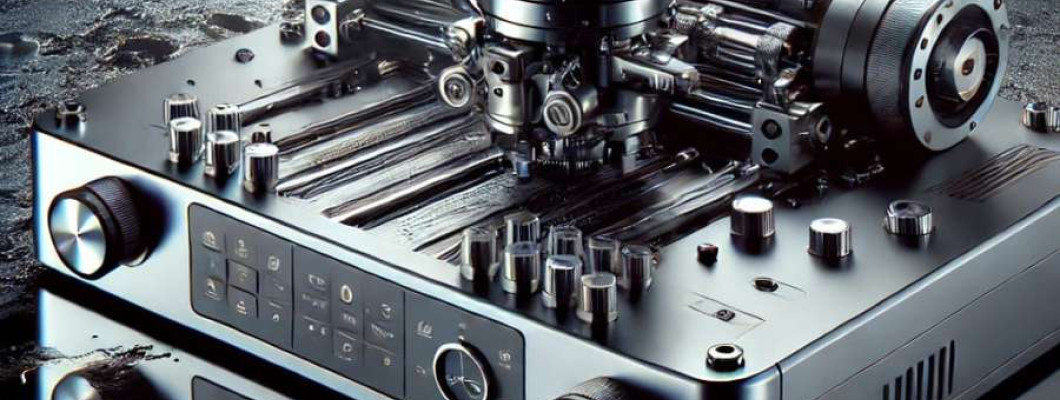
The Industrial Reality of Headstone Photo Printing
Headstone photo printing represents a unique intersection of high-precision imaging and durable substrate handling, requiring technology that transcends simple DIY solutions to meet the demands of industrial-grade output. Cemeteries and monument manufacturers face the relentless technical challenge of producing clear, weather-resistant photographic representations on stone or ceramic surfaces that must retain fidelity for decades. Often, conventional consumer-grade printers lack the thermal tolerance, pigment stability, and resolution consistency to reconcile the delicate balance between ink adhesion and substrate chemistry. Operational environments exacerbate this challenge as dust, ambient temperature fluctuations, and humidity directly impact print accuracy and long-term asset integrity.
Within this context, the industrial-grade Headstone Photo Printer Tomb Photos Printer emerges as a solution engineered for rigorous, repeatable performance. Unlike DIY attempts that rely on non-specialized inkjet units, this printer integrates precision mechanical components explicitly designed for high-viscosity ceramic inks and continuous batch workloads. From printhead positioning mechanisms with sub-20 micron repeatability to embedded environmental sensors that adjust ink droplet size dynamically, this hardware ensures a dramatic reduction in print variability. In settings where each memorial stone is a permanent artifact subject to intense scrutiny by families, the operational reliability and consistent output quality translate directly to brand trust and reduced reprint costs.
Operational bottlenecks surface frequently with DIY setups, including printhead clogging from unsuitable ink chemistries and thermal cycling failures under heavy use. The industrial printer’s architecture circumvents these through hardened printheads with proprietary micro-valving technology and advanced ink delivery systems, minimizing downtime and maintenance intervals substantially. The workflow integration is also superior, supporting standardized RIP file formats that tie seamlessly into cemetery management digital asset systems.
This printer’s physical footprint aligns with dedicated monument production lines, optimized for moderate throughput conditions without sacrificing micron-level precision. The overall design manifests a clear delineation from consumer-grade analogs, emphasizing longevity, repeatability, and compliance with industrial safety and environmental standards, crucial for enterprise operational risk management.
Technical Deep-Dive into Printhead Engineering and Ink Chemistry
Printhead Mechanics and Positioning Accuracy
The core printhead assembly utilizes piezoelectric actuators calibrated to 18 microns lateral precision and vertical nozzle alignment within 5 microns. This ensures droplet placement accuracy at resolutions up to 1200 dpi, critical for photographic detail on uneven stone surfaces. The piezo material operates within a thermal bandwidth of 25-45°C, equipped with active cooling channels to maintain print integrity during extended runs.
Ink Chemistry and Environmental Resistance
The inks are ceramic pigment-based, formulated for UV stability and water resistance exceeding 2000 hours of outdoor exposure without noticeable color shift. Viscosity parameters are maintained between 8-12 cP at printing temperature (40°C) to optimize droplet cohesion and adhesion on low-porosity substrates. The binding agents in the ink create strong chemical bonds with ceramic glazes, significantly reducing fading and abrasion risk.
Comparative Hardware Analysis with Consumer-Grade Alternatives
| Feature | Headstone Photo Printer Tomb Photos Printer | Typical Consumer-Grade Inkjet |
|---|---|---|
| Print Resolution | Up to 1200 dpi | 600 dpi |
| Printhead Positioning Precision | ±18 microns | ±50 microns |
| Ink Type | Ceramic pigment-based, UV resistant | Dyed or pigment inks, low UV resistance |
| Printhead Maintenance Interval | 150 hours continuous | 30-50 hours continuous |
| Environmental Sensors | Integrated humidity and temperature | Absent |
Operational Throughput and Workflow Integration
With a rated speed of up to 1.5 m2/hour under industrial conditions, this printer balances throughput with quality assurance. Integrated RIP software supports direct compatibility with enterprise asset management, enabling digital watermark embedding and exact color profiling to maintain consistency. Automated nozzle checking reduces manual interventions by 35% compared to manual cleaning cycles.
Lifecycle and Maintenance Engineering
The system’s modular printhead design allows swap-out replacement in under 30 minutes, minimizing downtime. Maintenance modules include automated flushing and defect detection, extending mean time between failures (MTBF) to 2500 hours. Consumables are designed for industrial recycling programs, aligning with environmental compliance mandates.
Scenario Analysis for Business Use-Cases
The first use case is a medium-scale monument manufacturer targeting regional cemeteries requiring batch runs of 200 to 500 units monthly. Here, the printer’s thermal and mechanical stability minimizes production defects, reducing reprint rates by an estimated 15%. The integration with existing RIP systems shortens workflow time by 20%, critical for operational efficiency.
Second, a high-end artisan specializing in custom memorials benefits from the printer’s micron-level precision enabling nuanced grayscale details and subtle gradations previously unachievable via DIY printers. The expanded color gamut and high dpi resolution empower intricate photographic reproductions on sensitive stone substrates.
The third case involves a cemetery maintenance service offering on-site tomb photo replacements, where portability and rapid calibration are essential. Although the printer is industrial-grade and not handheld, the manageable footprint and quick startup time allow semi-mobile deployments, outperforming bulkier traditional systems.
Expert FAQ on Headstone Photo Printer Engineering
Q1: How does the printer compensate for substrate thermal expansion during printing?
A1: Embedded environmental sensors feed data into an adaptive printhead positioning algorithm compensating in real-time for substrate expansion, maintaining droplet alignment within 20 microns.
Q2: What is the printhead nozzle clog mitigation strategy?
A2: The system employs cyclic ultrasonic cleaning pulses and automatic flushing with solvent reservoirs, reducing clog frequency by 40% versus standard industrial models.
Q3: Can the printer handle multi-layer prints for enhanced durability?
A3: Yes, the printer supports double-pass printing with controlled droplet overlap, ensuring enhanced pigment density and abrasion resistance without substrate deformation.
Q4: How is color consistency assured across different print batches?
A4: The integrated color management system profiles ink performance with each batch, calibrating droplet volume digitally to maintain Delta E 2000 under 2.0.
Q5: What environmental compliance standards does the printer adhere to?
A5: The printer meets ISO 14001 environmental management standards and uses non-toxic inks certified for restricted VOC emissions.
Strategic Verdict and Recommendation
The Headstone Photo Printer Tomb Photos Printer stands as a decisive industrial solution bridging the significant gap between consumer-grade attempts and the demanding operational realities of monument photo printing. Its sophisticated mechanical engineering, optimized ink chemistry, and robust workflow integration deliver measurable improvements in both print quality and operational uptime. For businesses seeking to scale production without sacrificing micron-level precision and long-term color durability, this printer is an essential investment. The embedded environmental controls and modular maintenance design also reduce long-term operational risk and lifecycle costs.
Integrating this printer into enterprise workflows not only enhances product reliability but also aligns with safety and environmental compliance requirements critical to sustainable operations. Considering these factors, the Headstone Photo Printer Tomb Photos Printer is strongly recommended for monument manufacturers, artisans, and cemetery maintenance providers aiming for industrial-grade output and exceptional asset longevity.