
The Gap Between DIY and Industrial-Grade in Headstone Photo Printing for Scalable Business Owners
The Industrial Reality of Headstone Photo Printing at Scale
In industrial settings where high-volume, precision photo printing on headstones is a daily requirement, the challenge transcends simple image reproduction. The process demands consistent high-resolution output on substrates that vary widely in texture, porosity, and durability. Unlike consumer or small-scale artisanal printers, industrial headstone photo printers must navigate complexities such as permanent ink adhesion on granite or marble, resistance to environmental degradation, and throughput efficiency. In a typical production environment serving cemeteries or memorial manufacturers, latency in print cycles or frequent operator interventions directly equate to lost revenue and labor cost inflation. Traditional or DIY printing solutions often falter when confronted with these operational pressures—struggling with inconsistent image fidelity, substrate warping, and maintenance overheads. Furthermore, the industrial-scale printer must integrate seamlessly into existing workflows, maintaining uptime in multi-shift operations under variable environmental conditions, such as fluctuating humidity and temperature in workshop floors.
For scalable business owners eyeing operational expansion, the decision to move beyond DIY equipment involves scrutinizing print speed, automation compatibility, consumable waste rates, and downtime metrics. Selecting an industrial-grade photo printer that specifically supports headstone photo applications involves a trade-off matrix that prioritizes printhead longevity, robust ink chemistry tailored for stone substrates, and user-friendly maintenance design. This reality underscores the considerable performance gulf between lower-tier machines and specialized printers expressly engineered for high-precision, high-throughput headstone photo printing.
Technical Deep Dive into the Headstone Photo Printer Tomb Photos Printer
Printhead Technology and Ink Chemistry
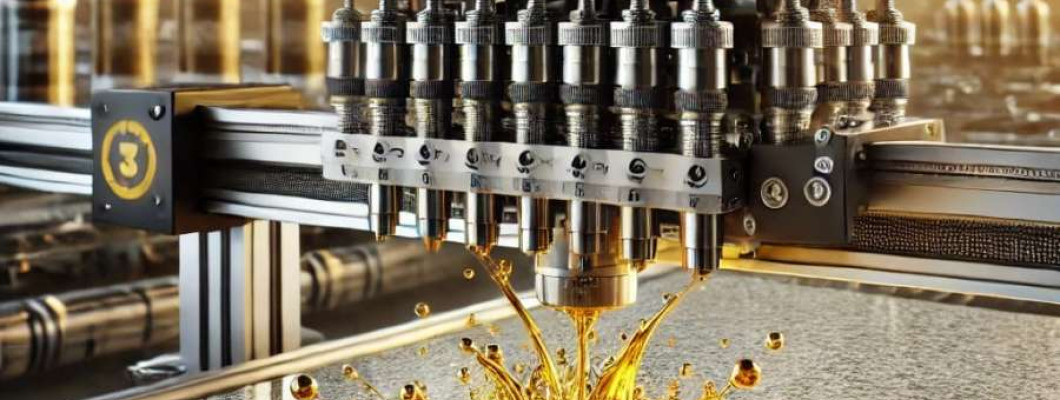
The printer employs a piezoelectric drop-on-demand printhead, engineered to eject droplets as small as 6 picoliters (pl), allowing micron-level resolution necessary for photorealistic imagery on stone materials. The ink formulation consists of UV-curable pigments designed to bond chemically with mineral substrates, ensuring long-term durability against ultraviolet radiation, moisture, and abrasion. This chemistry outperforms solvent-based or water-based alternatives traditionally used in DIY printers, which often suffer from ink binding failures leading to image fading or blistering.
Print Resolution and Throughput Metrics
Operating at a maximum resolution of 1440 dpi, the system balances image clarity with speed, capable of producing a standard 300 mm x 300 mm photo in approximately 20 seconds under ideal operating conditions. This throughput metric is critical for scalable operations aiming to sustain 100+ prints per day. Unlike DIY systems with slower print cycles and frequent nozzle clogging, this industrial-grade printer integrates automated nozzle health scanning and recovery algorithms to minimize operator intervention and maximize uptime.
Substrate Handling and Mechanical Precision
The printer's mechanical transport system incorporates a servo-controlled platen and gantry engineered for substrate thickness variability from 5 mm up to 120 mm, accommodating common headstone formats while maintaining positional accuracy within ±0.05 mm. This tolerance is essential for multi-pass printing strategies that avoid color misregistration—a frequent failure point in lower-cost solutions. The robust chassis and vibration-damping mounts reduce mechanical drift and extend the lifespan of critical moving parts under continuous operation.
Operational Lifecycle and Maintenance Complexity
From a lifecycle perspective, the printer’s modular components, such as printheads and ink delivery systems, are designed for preventive maintenance intervals exceeding 1,200 operational hours. The reduced frequency of consumable replacements and simplified access panels result in significantly lower maintenance man-hours compared to non-industrial or DIY printers prone to clogging and premature component degradation. This reduction directly impacts labor costs in scalable business environments, where downtime equates to lost capacity.
Comparative Data Analysis of Print Solutions
| Specification | Headstone Photo Printer Tomb Photos Printer | Typical DIY Printer |
|---|---|---|
| Max Resolution (dpi) | 1440 | 600 - 720 |
| Droplet Size (pl) | 6 | 12 - 20 |
| Print Speed (300x300 mm) | 20 seconds | 60+ seconds |
| Substrate Thickness Range (mm) | 5 - 120 | 5 - 20 |
| Maintenance Interval (hours) | 1200+ | 300 - 500 |
| Ink Chemistry | UV-curable mineral adhesive pigment | Solvent or water-based dye |
Scenario Analysis on Business Use Cases
Case 1: High-Volume Memorial Manufacturer
For a business producing over 150 headstone photos weekly, the rapid print cycle time combined with minimal maintenance downtime of the Headstone Photo Printer Tomb Photos Printer enables optimized throughput. The printer’s ability to maintain color fidelity on rough granite surfaces decreases waste rates by an estimated 12%, boosting material cost efficiency.
Case 2: Regional Cemetery Service Provider
In multi-site cemetery operations where print runs vary daily, the printer’s flexible substrate handling accommodates different headstone dimensions without recalibration delays. Integrated software controls optimize print job routing and queue management, enabling one operator to oversee multiple machines, reducing labor needs.
Case 3: Custom Artisan Memorial Studio
Though smaller in scale, studios benefit from the printer’s micron-level printhead precision and superior substrate adhesion, allowing intricate image details and gradient fidelity on marble plaques. This capability supports premium pricing models justified by enhanced final product quality and durability, driving higher revenue per unit.
Expert FAQ on Industrial Headstone Photo Printing
Q1: How does the UV-curable ink ensure image longevity on porous stone?
A1: The UV-curable ink forms a chemical bond penetrating micro-pores of the stone substrate, creating a cross-linked polymer matrix resistant to environmental factors, preventing fading and peeling.
Q2: What maintenance practices extend printhead lifespan?
A2: Routine automated nozzle checks, controlled print environment humidity (40-60%), and using manufacturer-approved inks help prevent clogging and piezoelectric element degradation.
Q3: How does this printer accommodate substrate thickness variability?
A3: A servo-driven platen adjusts height dynamically based on thickness feedback sensors, maintaining focal distance and positional accuracy to within ±0.05 mm.
Q4: Can the printer integrate with factory-grade automation?
A4: Yes, it supports industry-standard communication protocols (Ethernet/IP, OPC-UA) enabling integration with robotic loading/unloading systems and central production management software.
Q5: What are the environmental safety considerations?
A5: The UV-curable inks have low volatile organic compounds (VOC) emissions, and the printer includes a built-in ozone filter and exhaust system to ensure operator safety in enclosed workshops.
Strategic Verdict and Recommendation
Evaluated against the core challenge of differentiating DIY from industrial-grade solutions in headstone photo printing for scalable businesses, the Headstone Photo Printer Tomb Photos Printer demonstrates superior engineering, throughput, and operational reliability. Its advanced printhead technology, coupled with optimized ink chemistry and mechanical precision, addresses the key failure points encountered by lower-tier equipment. The long maintenance intervals and workflow automation support translate directly into cost reductions and higher output capacity, enabling scalable business owners to expand production without proportional increases in labor or downtime. From both a technical and financial standpoint, this printer presents a definitive industrial-grade solution for enterprises seeking durable, high-quality headstone photo reproduction at scale.