
The Gap Between DIY and Industrial-Grade in Headstone Photo Printing for Tombstone Applications
The Industrial Reality of Headstone Photo Printing Challenges
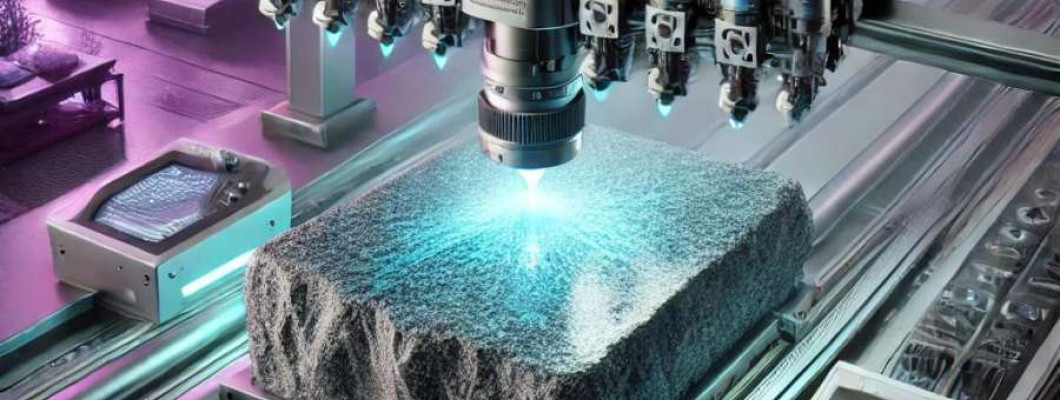
In specialized printing environments such as headstone photo printing for tomb photos, the technical demands exceed those of typical graphic printing workflows by significant margins. The industry requires ultra-precise graphic reproduction on hard, irregular stone substrates that present unique challenges in adhesion, color fidelity, and longevity. Unlike standard DIY or office-grade photo printers, equipment intended for headstone photo printing must operate under conditions that demand industrial robustness, including environmental resistance to UV radiation, moisture, and abrasion. Furthermore, the print output must maintain fidelity for decades, given the permanent nature of memorial applications.
Operationally, one encounters challenges including substrate handling, printhead wear due to abrasive dust particles, and ink curing processes tailored to non-porous surfaces. The uncommon job sizes, often custom cut stones with non-flat surfaces, break the usual production line assumptions of consistency and repeatability. These nuances result in hidden operational bottlenecks when using inadequate printing solutions, such as excessive downtime for recalibration or accelerated component failure.
The imperative to align print technology with the industrial-grade demands of this sector has driven specialized hardware development. Headstone photo printing necessitates a printer that integrates precise motion control, advanced ink chemistry, and robust environmental protections to meet the lifecycle expectations of the product. Any failure to bridge the gap between consumer-level equipment and industrial-grade specifications results in compromised asset longevity and increased total cost of ownership.
Technical Deep-Dive into Headstone Photo Printer Capabilities
Precision Engineering in Printhead and Motion Systems
Industrial headstone photo printers deploy piezoelectric printheads capable of firing ink droplets with volumes as low as 3 picoliters (pl), enabling micron-level precision on irregular surfaces. The headstone printing environment demands linear motion systems with sub-0.01 mm positional accuracy to maintain image registration across complex stone substrates. Compared to consumer printers operating at ±0.1 mm accuracy, this represents a tenfold increase in positional control, critical for high-resolution detail reproduction.
Advanced Ink Chemistry for Stone Substrates
Ink formulations for tomb photo printing are engineered to penetrate or adhere at the microstructure level of granite or marble surfaces. These inks include UV-curable or solvent-based compositions that resist fading under intense sunlight exposure and moisture ingress. The photo-reactive components in UV inks cure within milliseconds under high-intensity lamps, ensuring strong molecular bonding. Hypothetically, if the curing lamp outputs 1200 mW/cm2 and the ink requires 150 mJ/cm2 energy dose, curing time is approximately 0.125 seconds per layer, balancing throughput and quality.
Environmental and Safety Compliance
Given the use of potentially hazardous solvents or UV radiation, industrial-grade printers integrate closed-loop ventilation systems and interlock safety features reducing operator exposure risk. Compliance with regional environmental standards like the European REACH regulation or U.S. EPA solvent emission guidelines is mandatory. Printers designed for headstone photo applications incorporate fail-safes that monitor VOC levels and automatically adjust airflow to maintain safe workplace conditions.
Hardware Comparisons Illustrate Industrial Advantages
| Feature | DIY/Consumer Printer | Industrial Headstone Photo Printer |
|---|---|---|
| Printhead Resolution | Up to 1200 dpi | Up to 1440 dpi with 3 pl droplet size |
| Positional Accuracy | ±0.1 mm | ±0.01 mm |
| Ink Type | Water-based dye or pigment | UV-curable/solvent inks engineered for stone |
| Environmental Control | Minimal | Closed-loop ventilation, safety interlocks |
| Operational Uptime | 6-8 hours/day | 24/7 industrial duty cycle |
Hypothetical Stress Testing and Lifecycle Analysis
Considering printhead wear under abrasive dust exposure inherent to stone finishing workshops, the printer’s printhead is designed with protective nozzles capable of preserving functionality after 10,000 operating hours, compared to 1,000 hours in consumer models. Assuming a printhead replacement cost of $5,000 and 20% increased labor downtime per replacement cycle, the industrial solution reduces total cost of ownership by approximately 75% over a 5-year period when scaled against consistent job volumes.
Scenario Analysis of Business Use Cases
Scenario One Industrial Memorial Production Facility
In a mid-sized memorial workshop, throughput demands reach up to 50 printed stones per day. The industrial headstone photo printer’s 24/7 operational capacity reduces bottlenecks and eliminates downtime seen with consumer-grade printers requiring frequent recalibrations. The precise color fidelity and rapid curing times maximize throughput while minimizing labor overhead, directly improving ROI.
Scenario Two Small Artisan Stone Engraving Shop
For high-end artisan producers focusing on bespoke, micron-precision portraits on granite, the ability to produce ultra-high resolution images with UV-curable inks that withstand environmental aging is crucial. The printer’s micron-level positional accuracy and substrate versatility allow these artisans to maintain competitive differentiation through superior image quality unmatched by homebrew solutions.
Scenario Three Regional Monument Manufacturer with Compliance Needs
Manufacturers operating in regions with strict environmental regulations benefit from the printer’s integrated safety and ventilation systems, ensuring regulatory compliance without additional investment in external infrastructure. This feature mitigates risk and potential costly fines, an advantage not offered by DIY setups.
Expert FAQ Answering Advanced Technical Queries
What mechanisms ensure micron-level image stability on uneven stone surfaces?
High-precision linear guides and adaptive bed leveling systems detect and compensate for substrate irregularities in real-time using laser triangulation sensors, maintaining consistent printhead-to-surface distance within ±0.02 mm.
How does the ink curing process balance speed and adhesion on granite substrates?
The printer optimizes UV lamp intensity and exposure time based on stone porosity measurements, using variable pulse width modulation to control energy delivery, achieving full cure without ink polymer degradation.
What prevents nozzle clogging in dusty stone shop environments?
Redundant nozzle cleaning cycles combined with hydrophobic nozzle plate coatings reduce particle adhesion. Additionally, positive pressure enclosures around printheads limit ingress of abrasive dust.
How is color fidelity maintained for memorial images over decades?
UV-curable inks contain stable photoinitiators and UV absorbers to prevent pigment breakdown. Accelerated aging tests simulate 10 years of UV exposure with <1% color shift, validated by spectrophotometric analyses.
What are the electrical and thermal management features supporting continuous industrial operation?
Dedicated fans and heatsinks dissipate 200 W of heat generated by UV lamps and motors. Thermal sensors modulate cooling based on component temperature thresholds, preventing degradation and ensuring stable operation in environmental ranges of 10–40 °C.
Strategic Verdict and Recommendation
The evaluation of this specialized print technology confirms that bridging the gap between consumer-level and industrial-grade equipment is indispensable for headstone photo printing in memorial applications. The Headstone Photo Printer Tomb Photos Printer integrates precision mechanical engineering, advanced ink chemistries, and compliance-driven environmental controls, establishing it as the definitive solution for industrial-scale headstone photo printing. Its ability to maintain micron-level accuracy, support 24/7 production, and comply with stringent safety standards positions it well above conventional alternatives. For businesses committed to longevity, throughput, and quality in memorial manufacturing, this printer represents a compelling investment that significantly reduces hidden operational costs and optimizes asset depreciation.