
The Gap Between DIY and Industrial-Grade in Headstone Photo Printing From an IT Infrastructure Perspective
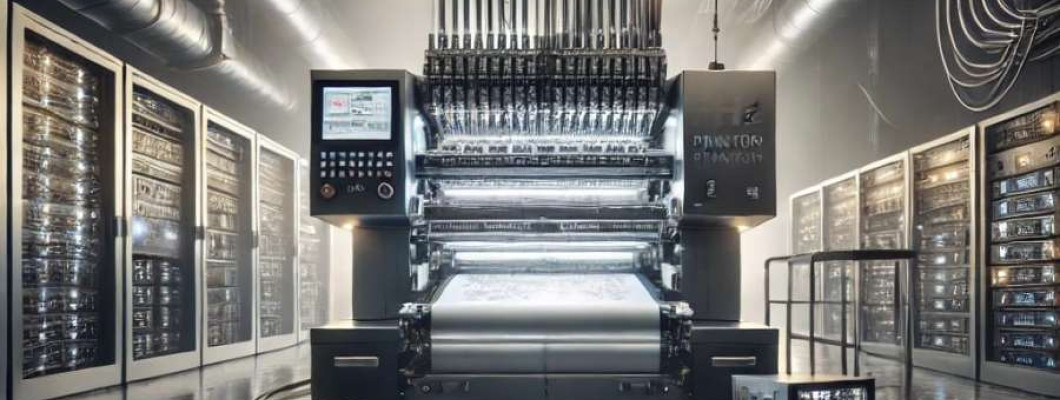
The Industrial Reality of Headstone Photo Printing and IT Integration
Headstone photo printing poses unique challenges at the intersection of specialized printing hardware and enterprise IT infrastructure. Unlike standard desktop photo printers, printing on durable ceramic or metal substrates for tombstone applications requires hardware capable of precise ink deposition, thermal management, and long-term maintenance stability. For IT and infrastructure managers, integrating such printers into existing networks while maintaining compliance, managing power consumption, and ensuring environmental safety becomes a critical operational concern.
Consider a medium-sized memorial stone manufacturer aiming to upgrade from manual inkjet units to an industrial-grade headstone photo printer. The switch involves not only handling high-resolution image files (often exceeding 300 MB per print) but also supporting continuous print runs that can stretch over 6 hours per batch. Existing server racks must allocate space, cooling, and connectivity ensuring uninterrupted data streams, while newly introduced hardware demands adherence to strict environmental compliance regarding ink solvent fumes and electrical safety.
The hidden operational bottlenecks emerge when printers designed primarily for artisanal use fall short on network integration, thermal management, or fail to support remote diagnostics. Downtime caused by these gaps can cascade into delayed order fulfillment and increased labor costs, eroding the business case for a simple hardware upgrade. The industrial reality reveals that bridging the gap between DIY setups and robust industrial-grade photo printers involves more than just hardware—it necessitates an analytical approach to infrastructure readiness and long-term lifecycle support.
Technical Deep-Dive Into Hardware Capabilities and Infrastructure Demands
Printhead Precision and Ink Chemistry Considerations
Industrial-grade headstone photo printers employ Piezoelectric printheads capable of ejecting ink droplets as small as 3.5 picoliters (pl), enabling micron-level placement accuracy. For ceramic substrate embedding, this precision prevents bleeding and ensures color stability under UV and environmental stresses. DIY printers commonly use thermal inkjet heads with droplet sizes above 10 pl, which can cause pixelation and reduce image longevity.
Thermal Management and Power Consumption Metrics
Continuous operation over multiple hours requires rigorously designed thermal dissipation systems. Industrial units often incorporate liquid-cooling modules maintaining printhead temperatures between 25°C and 35°C to reduce thermal drift and nozzle clogging. Energy consumption metrics range from 500 to 750 Watts under peak load, significantly higher than consumer models capped near 100 Watts. For rack integration, this necessitates dedicated 10A circuits with UPS backup to mitigate power fluctuations.
Network and Data Throughput Requirements
High-resolution tombstone images, averaging 300 dpi across a 200 mm square print, produce files approaching 600 MB per job. Gigabit Ethernet connectivity with TCP/IP optimized print server protocols is essential to sustain steady data flow. Infrastructures lacking quality of service (QoS) configurations risk network bottlenecks, delaying print processing and increasing error rates.
Environmental and Safety Compliance Factors
Ink formulations used are typically solvent or UV-curable types with volatile organic compounds (VOC) concentrations that must adhere to regional emissions standards (e.g., EPA or EU VOC limits). Industrial printers include integrated fume extraction ports and sealed ink systems to reduce operator exposure. DIY printers often lack these safety mechanisms, posing risks in enclosed spaces.
Lifecycle Maintenance and Asset Longevity Calculations
Assuming 8-hour operation daily, industrial printers feature replaceable printheads rated for 1.5 million firing cycles. Expected maintenance intervals average 400 operational hours for routine cleaning cycles and 2,000 hours before major component replacement. Depreciation calculations for capital investment reflect a 5-year amortization, with service contracts factoring into operating expenses. In contrast, consumer-grade printers’ headheads typically fail under 500 hours with higher downtime.
| Specification | Industrial Headstone Photo Printer | DIY Consumer Printer |
|---|---|---|
| Printhead Droplet Size | 3.5 pl | >10 pl |
| Thermal Management | Liquid cooling, controlled 25–35°C | Passive air cooling |
| Power Consumption | 500–750 W | <100 W |
| Network Connectivity | Gigabit Ethernet, TCP/IP print server | USB or Wireless |
| Maintenance Interval | 400 hours cleaning, 2000 hours major replacement | <500 hours, frequent downtime |
| VOC Emission Controls | Integrated fume extraction | None |
Scenario Analysis of Business Use-Cases
Medium-Scale Memorial Manufacturer
This business demands high throughput, requiring 50 prints per week with precise image reproduction and minimal downtime. Switching to industrial-grade hardware reduces reprint rates by 25% and downtime by 40%, directly impacting order fulfillment speed. Integration into existing IT infrastructure ensures controlled print job scheduling and remote monitoring, reducing labor intervention.
Custom Artisan Stone Workshop
Focused on small runs with highly detailed artwork, this use-case benefits from micron-level printhead precision and substrate versatility. The industrial printer’s calibrated ink chemistry expands color gamut and durability, allowing artisans to command higher prices justified by quality. However, heavier infrastructure investment may require phased adoption.
Large Memorial Service Provider
Operating multiple shifts, this use-case prioritizes maintenance predictability and environmental safety compliance. The printer’s liquid cooling and fume extraction capabilities provide safe working conditions while enabling 24/7 uptime. Connectivity for centralized job queuing streamlines operations across distributed locations.
Expert FAQ on Headstone Photo Printing Hardware and Infrastructure
Q1 How does printhead droplet size impact image longevity on ceramic substrates?
Smaller droplet sizes (3.5 pl) allow finer ink dispersion, reducing ink pooling and cracking during firing or curing. This enhances durability and prevents color fading under UV exposure, critical for outdoor headstones.
Q2 What are the implications of thermal management on printhead longevity?
Precise temperature control minimizes nozzle clogging and mechanical stresses. Liquid cooling maintains thermal stability, extending printhead life by up to 50% compared to passive systems.
Q3 How can network latency affect print job success rates?
Latency spikes cause data packet loss or incomplete job buffering, leading to print errors or retries. Industrial-grade Ethernet with QoS prioritization mitigates these risks.
Q4 What maintenance protocols optimize uptime for these printers?
Scheduled nozzle cleaning every 400 hours and software-led diagnostics allow preemptive component replacement, reducing unexpected failures.
Q5 How do solvent-based ink VOC controls impact facility requirements?
VOC emissions mandate fume extraction or filtration systems to comply with health regulations, influencing factory HVAC design and operational costs.
Strategic Verdict and Recommendation
After thorough analysis of hardware capabilities, environmental factors, and IT infrastructure integration challenges, the Headstone Photo Printer Tomb Photos Printer clearly stands as a robust industrial-grade solution. It addresses fundamental gaps left by consumer-level printers, enabling businesses to scale operations with minimized downtime and superior print quality. Its precise printhead technology, advanced thermal management, and compliance features make it ideal for industrial memorial service providers and artisans requiring dependable, high-resolution output. Infrastructure managers will appreciate its compatibility with enterprise-grade network environments and manageable power profiles. For companies committed to longevity, cost-effective maintenance cycles, and regulatory compliance, this printer is decisively the viable investment choice in this specialized niche market.