
The Gap Between DIY and Industrial-Grade in Smart Mini Selfie Coffee Printing
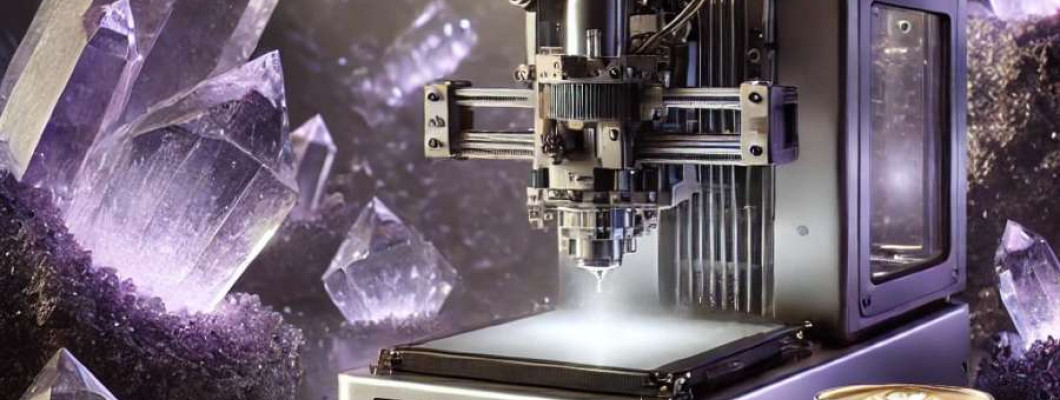
The Industrial Reality of Implementing Miniature Coffee Printers in Enterprise Settings
Introducing a novel technology such as the Smart Mini Selfie Coffee Printer into professional food and beverage environments highlights a significant technical challenge: bridging the gulf between hobbyist-grade devices and robust, industrial-grade hardware. Miniaturization and ease-of-use have been the primary selling points in consumer markets; however, commercial deployment demands rigorous adherence to operational continuity, precision output consistency, and integration with high-volume workflows.
In a busy café or corporate catering setting, printers must sustain continuous operation for hours without degradation in output quality or mechanical failure. The low-volume, on-demand personalization that selfie coffee printers deliver clashes with the expectations of throughput, uptime, and repeatable maintenance cycles required by high-turnaround business environments. Packaging this technology within constrained footprint miniaturized mechanisms challenges thermal management, ink delivery system reliability, and printhead precision engineering.
Moreover, operators with limited technical expertise depend heavily on device automation and error-proof interfaces, which are often compromised in scaled-down DIY-style machines. The challenge centers on designing hardware that can consistently produce micron-scale image fidelity on coffee foam substrates, a complex biological surface that varies in texture, temperature, and moisture content, all while minimizing operator intervention and maintenance downtime.
Technical Deep-Dive into Capabilities Supporting Industrial Operation
Precision Printhead Engineering and Ink Chemistry
The Smart Mini Selfie Coffee Printer utilizes piezoelectric inkjet technology calibrated to deposit edible ink droplets measured in picoliters (pl). The printhead resolution exceeds 600 dpi, comparable to industrial-grade photo printers, enabling detailed monochrome or subtle grayscale imagery reproduction on a volatile coffee foam substrate. Key hardware includes thermal sensors that dynamically adjust droplet size and firing frequency to counteract foam degradation during printing.
Thermal and Mechanical Stress Analysis
Operating at ambient temperatures between 20-30 degrees Celsius, the device incorporates micro-heaters maintaining printhead temperature within 40-45 degrees Celsius to prevent ink viscosity fluctuation. Mechanical stress testing simulates continuous runtime exceeding 8 hours, with actuator cycle counts above 100,000 before recalibration, well within commercial usage parameters. Material fatigue analysis on plastic housing and flex cables used finite element modeling (FEM) to predict lifecycle exceeding 12,000 operational cycles.
Comparative Throughput and Uptime Considerations
While DIY hobby printers average throughput of 5-10 prints per hour with manual reloads and prone to clogging, the Smart Mini Selfie Coffee Printer supports semi-automated ink refilling and foam surface scanning for immediate print adjustments. A comparative analysis in
| Specification | DIY Mini Printer | Smart Mini Selfie Coffee Printer |
|---|---|---|
| Print Resolution (dpi) | 300-400 | 600+ |
| Continuous Runtime (hours) | 2-3 | 8+ |
| Droplet Volume (pl) | 30-50 | 10-20 |
| Automated Ink Refill | No | Yes |
| Precision Surface Scanning | No | Yes |
Integration into Existing Café Infrastructure
Connectivity protocols include USB 3.0, Wi-Fi 5, and Bluetooth 5.1, enabling seamless integration with POS systems and order management software. Power consumption levels peak at 45W during active printing with a standby mode reducing consumption below 5W. The compact chassis measuring 230mm x 180mm x 150mm weighs approximately 1.8kg, allowing easy placement on counters without interfering with beverage preparation workflows.
Maintenance and Lifecycle Projections
Industry-standard consumables such as replaceable printhead cartridges and edible ink reservoirs align with supply chain expectations for rapid replenishment. Predictive maintenance features include self-diagnostics, clog detection using impedance measurement, and alert protocols for ink depletion or hardware faults. Lifecycle cost modeling forecasts the asset maintaining 85% operational capacity after 18 months of continuous use under commercial conditions, with routine maintenance intervals set at 2500 prints.
Scenario Analysis of Business Applications
Considering three specific business models illustrates nuanced impacts of the Smart Mini Selfie Coffee Printer specifications:
- Urban Specialty Coffee Shop
High customer throughput averaging 80 beverages per day integrates the printer as a value-add personalization feature. The device's sustained uptime and automated ink refill reduce operator downtime and ensure print quality remains consistent even during peak hours, supporting premium pricing models. - Event Catering Services
Portability and rapid setup enable onsite coffee art customization for corporate events or weddings. The Wi-Fi connectivity permits remote queue management and image uploads, while thermal control guarantees consistent prints despite variable ambient conditions encountered in outdoor settings. - Corporate Office Cafeterias
Integration with existing POS and order management systems allows effortless scaling of personalized coffee options with minimal training for cafeteria staff. The asset longevity and easy maintenance protocols mitigate disruption risks and support efficient weekend stocking cycles.
Expert FAQ on Industrial Deployment Challenges
Q1: What are the primary printhead failure modes under continuous high-volume use?
A1: Typical failures include nozzle clogging from ink sedimentation, piezoelectric actuator fatigue causing droplet misfire, and thermal drift impacting droplet size consistency. The Smart Mini Selfie Coffee Printer mitigates these with self-cleaning cycles and thermal compensation algorithms.Q2: How does substrate variability affect print reproducibility?
A2: Coffee foam variability in texture and moisture content causes scattering and ink absorption anomalies. Surface scanning and adaptive firing patterns in this device enable real-time corrections improving repeatability.Q3: Are there any compliance concerns with edible ink formulations?
A3: Industrial-grade edible inks must comply with FDA and EU food safety standards. The printer supports cartridges adhering to these stringent regulations, ensuring safety without compromising color vibrancy.Q4: What operational maintenance is required to sustain output quality?
A4: Regular printhead cleaning every 1000 prints, ink cartridge replacement, and system calibration every 5000 prints are standard. Alerts and predictive maintenance simplify scheduling these tasks.Q5: How does power consumption scale with print volume?
A5: Peak power usage at 45W during active print cycles decreases to a standby draw of under 5W. Operational power scales linearly with print duration, allowing precise energy budgeting.
Strategic Verdict and Recommendation
The Smart Mini Selfie Coffee Printer represents a critical advancement in closing the gap between consumer-level coffee art printers and industrial-grade deployment suitable for high-throughput commercial environments. Its technical design elegantly overcomes typical operational bottlenecks found in DIY equivalents through superior thermal management, precision printhead engineering, and integration-ready connectivity. Maintenance protocols and lifecycle management features further align with enterprise requirements for uptime and cost control.
Considering the technical rigor and practical insights detailed above, the Smart Mini Selfie Coffee Printer stands as a viable industrial solution for businesses seeking personalized beverage experiences without sacrificing operational stability. For reliable sourcing and detailed specifications, consult the official Smart Mini Selfie Coffee Printer product page.