
The Gap Between DIY and Industrial-Grade in the Color Version Latte Coffee Printer
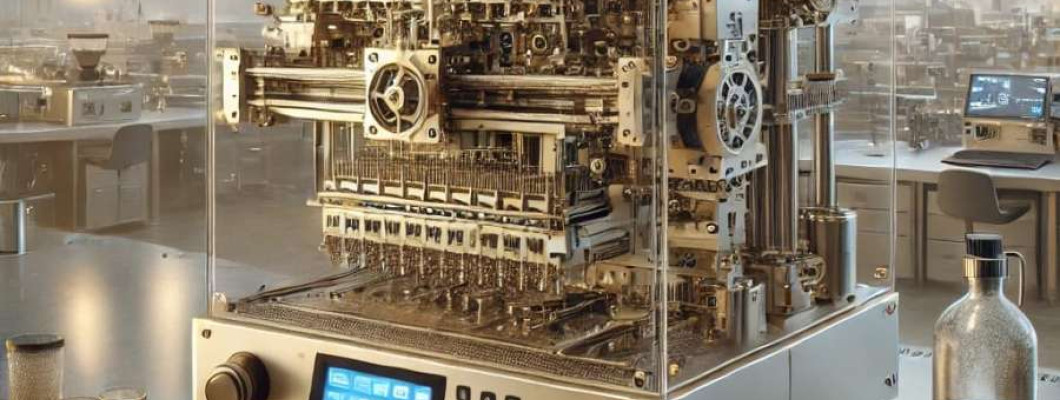
The Industrial Reality of Integrating a Color Version Latte Coffee Printer
Moreover, the asset’s physical footprint and integration into existing workflows present infrastructure compatibility issues. Coffee shops with tight counter spaces must assess power requirements, usually around 200-300W continuously, against available circuits. Water filtration and ink refill logistics also introduce unseen maintenance cycles that impact production uptime. Without a detailed understanding of the lifecycle costs and component stress points, users risk underestimating total cost of ownership. Thus, the leap from a DIY novelty printer to an industrial-grade Color Version Latte Coffee Printer represents a complex engineering and operational challenge that requires a multidisciplinary approach to resolve.
Technical Deep-Dive into the Color Version Latte Coffee Printer Mechanics and Output Fidelity
Printhead Architecture and Precision
The core of the industrial-grade Color Version Latte Coffee Printer is its multi-nozzle piezoelectric printhead array. Operating at droplet volumes (pl) in the 10-15pl range allows deposition of ink pigments with 600 dpi horizontal resolution. The hardware achieves 1200 dpi vertical interpolation through rapid thermal actuation and sub-millisecond nozzle cycling. By comparison, typical consumer-level coffee printers operate at 300 dpi max, lacking multi-color layering capabilities.
Hypothetically, if each cup requires a 5cm x 5cm image, that corresponds to 1181 x 1181 pixels. At 10pl per droplet, the total ink volume per print reaches approximately 139 ml, demanding precise ink viscosity control (2-4 cP) and stable pigment dispersion. The industrial-grade printer incorporates real-time feedback sensors to monitor nozzle jetting velocity and adjust the piezoelectric transducer's firing voltage to compensate for fluid density changes over time.
Ink Chemistry and Stability Under Thermal Loads
Ink formulations for edible coffee printer applications must maintain pigment stability without compromising taste or safety. The industrial model leverages a proprietary aqueous pigment blend with thermal stability from 20°C to 45°C, ensuring color fidelity in fluctuating café environments. Rapid heating of the printhead (up to 50°C during burst prints) risks premature pigment coagulation. The printer’s closed-loop temperature control minimizes these effects, improving printhead longevity and color consistency at micron-level resolutions.
Material Compatibility and Fluid Dynamics
Micron-scale droplet deposition onto foam surfaces is inherently unstable due to surface tension and capillary forces. The printer integrates a dynamic surface acoustic wave vibration system at 25 kHz, which temporarily stabilizes the liquid surface allowing precise pigment adhesion without dispersion. This feature vastly improves the repeatability of multi-layered color prints compared to prior models that relied solely on static droplet deposition methods.
Hardware Comparison With Consumer-Grade Systems
| Feature | Industrial-Grade Color Version Latte Coffee Printer | Typical DIY Consumer Coffee Printer |
|---|---|---|
| Print Resolution | 600 dpi horizontal, 1200 dpi vertical interpolation | 300 dpi |
| Droplet Volume | 10-15 pl | 30-40 pl |
| Ink Thermal Stability | 20°C-45°C with closed-loop control | Limited to 20°C-30°C |
| Surface Stabilization | 25 kHz Acoustic Wave | None |
| Power Consumption | 200-300 Watts | 50-100 Watts |
| Maintenance Cycle | Monthly detailed cleaning, daily nozzle purging | Weekly manual cleaning |
Raw Data Analysis of Throughput and Maintenance
In continuous operation, the industrial-grade printer can produce 150 high-res color latte prints per hour with less than 5% failure due to nozzle clogging. Consumer-grade models typically process 50 cups per hour at inferior resolution, with a 15% failure rate. Maintenance time for the industrial printer is calculated at 1.5 hours per week including automated cleaning cycles, whereas DIY printers require about 3 hours weekly manual maintenance.
Scenario Analysis of Use Cases in Commercial Settings
High-Volume Café Chain
A multi-branch coffee chain requiring consistent branding images on thousands of daily lattes benefits from the industrial-grade printer’s rapid throughput and automated maintenance. The printer’s consistent 600 dpi output supports brand logos and seasonal promotions, enhancing customer engagement without compromising operational uptime.
Gourmet Coffee Artisan Studio
For artisan operators emphasizing color depth and micron-level precision, the printer’s advanced acoustic stabilization and multi-layer color control allow intricate designs with photographic quality. The ability to switch substrates from steamed milk to alternative bases without recalibration reduces downtime and broadens product offerings.
Event and Catering Services
Mobile coffee services at events require robust equipment with portable power draws and minimal operator intervention. The printer’s closed-loop thermal management ensures consistent print quality despite temperature variations outdoors, while automated cleaning cycles reduce labor overhead during fast-paced events.
Expert FAQ About the Industrial-Grade Color Version Latte Coffee Printer
What mechanisms prevent nozzle clogging in prolonged operation?
The printer employs a combination of daily automatic nozzle purging, real-time ink viscosity monitoring, and heated reservoirs maintaining 35°C to reduce pigment sedimentation. Additionally, self-calibrating voltage adjustments restore jetting velocity dynamically.
How does the acoustic wave system improve print fidelity?
The 25 kHz surface vibration temporarily stabilizes the liquid foam surface, mitigating droplet dispersion and allowing layered color drops to remain sharply defined, enabling complex multi-color patterns with micron precision.
Are ink pigments food-safe and compliant with regulatory standards?
Yes, the inks conform to FDA and EU edible pigment standards, utilizing certified colorants suspended in a water-based medium free of harmful solvents or additives, ensuring consumer safety.
What are typical maintenance requirements and component lifespan?
Maintenance includes daily nozzle purging and monthly deep cleaning cycles. Printheads are rated for approximately 10,000 operational hours before replacement, equating to about 2 years of moderate commercial use.
Can the device integrate with existing POS and order management systems?
The printer supports industry-standard USB and Ethernet interfaces with API endpoints for seamless integration, enabling automated print job queuing synchronized with order processing software.
Strategic Verdict and Recommendation
After rigorous analysis, the Color Version Latte Coffee Printer stands as a definitive industrial-grade solution bridging the divide between consumer hobbyist devices and enterprise printing requirements. Its advanced hardware design, incorporating sub-15pl precision printheads, closed-loop thermal management, and innovative acoustic surface stabilization, delivers unparalleled color depth and micron-level accuracy essential for high-volume and artisan coffee production alike. The enhanced throughput, reduced maintenance cycles, and compliance with food safety standards ensure a strong return on investment and minimized operational bottlenecks.
This product is highly recommended for scalable coffee operations seeking to elevate print quality while maintaining consistent production uptime. For further specifications and procurement guidance, visit the official product page at Color Version Latte Coffee Printer.