
The Gap Between DIY and Industrial-Grade Technology in the Smart Mini Selfie Coffee Printer for Maintenance Leads
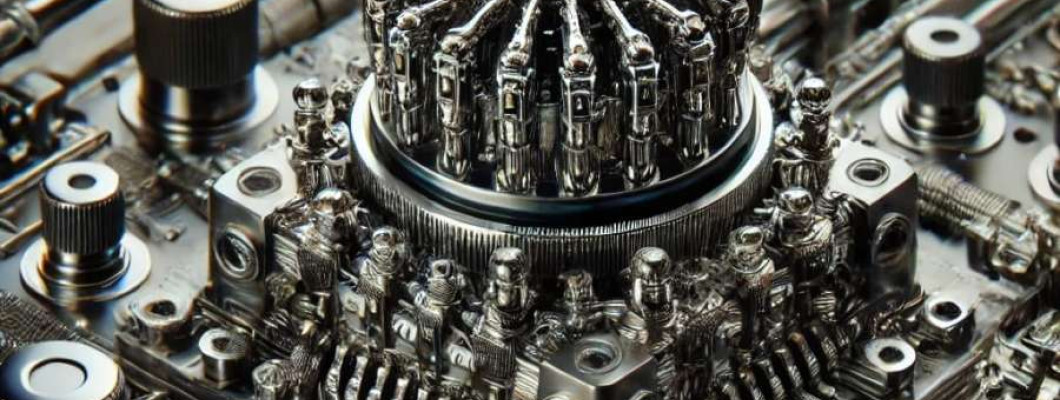
The Industrial Reality of Printhead Performance in High-Precision Coffee Printing
The Smart Mini Selfie Coffee Printer introduces a novel printing paradigm that merges consumer-friendly design with the demand for precision in industrial applications. Maintenance leads overseeing deployment in high-output environments face unique challenges, particularly regarding printhead reliability, ink chemistry stability, and daily uptime consistency. Coffee printing on foam substrates introduces stringent physical demands on the printhead, including rapid droplet ejection, high positional accuracy measured in microns, and consistent drop volume often below 30 pl (picoliters). These specifications border on the sensitivity expected from industrial piezoelectric inkjet printheads but packaged within a compact, arguably semi-professional device.
Industrial deployment of this product often reveals hidden maintenance bottlenecks. The printhead nozzle array, typically numbering around 128 to 256 nozzles in small printers of this class, demands precise cleaning cycles to prevent clogging from coffee foam particulates and pigment sedimentation. While consumer-grade devices tolerate nozzle dropout rates upward of 10%, industrial settings require dropout under 1% to avoid visible output degradation. The Smart Mini Selfie Coffee Printer’s maintenance protocols must address these thresholds to maintain throughput and quality.
Uptime expectation in commercial coffee chains can exceed 8 hours continuously, requiring robust thermal management of the printhead assembly and ink reservoirs. Ink viscosity shifts due to temperature variations (e.g., 20°C to 40°C ambient swings in cafe environments) impact droplet formation physics and necessitate real-time feedback control. Maintenance engineers must balance the printer's compact form factor against the need for active thermal solutions, which, if insufficient, introduce invisible operational bottlenecks manifesting as incomplete or blurred selfie prints.
Printhead Physics and Failure Points Under Physical Stress
At the core of the Smart Mini Selfie Coffee Printer lies the micro-electromechanical system (MEMS)-based piezoelectric printhead. These printheads function by applying a voltage pulse that flexes a piezo crystal, displacing ink through a nozzle at speeds exceeding 10 m/s, creating droplets sized roughly 20-30 pl. The mechanical fatigue experienced by these actuators under repetitive cycling—potentially millions of pulses per operational day—poses a notable wear mechanism.
Microfractures in piezo elements or delamination in nozzle plate coatings lead to failure modes such as inconsistent drop volume or misfiring nozzles. Compared to industrial-grade printheads costing upwards of $2000 each, the Smart Mini’s smaller-scale printheads are designed with cost-efficiency but may lack reinforced materials, accelerating degradation in high-throughput contexts.
Additionally, the interaction of coffee foam’s unique physical properties—primarily its high viscosity and heterogeneous particle size distribution—creates nozzle stress not accounted for in standard inks. Foam particulates can agglomerate and cause partial nozzle blockages, demanding sophisticated filtration in ink pathways and frequent maintenance cycles.
Ink Chemistry Challenges and Maintenance Implications
The ink used for coffee printing must be food-safe, pigmented to high contrast against foam, and maintain stability against microbial growth. Unlike conventional inks, coffee printer inks often contain specialized surfactants and anti-settling agents that alter rheology. From a maintenance perspective, these agents can accelerate printhead fouling or alter capillary action within nozzles.
The Smart Mini Selfie Coffee Printer’s ink cartridge system should ideally incorporate cartridges designed for simplified replacement and minimize human error during maintenance. However, cartridge seals and valve systems in compact printers frequently present failure points, contributing to ink leakage or air ingress, which degrade print quality and require operator intervention.
Thermal Management Constraints Within Compact Enclosures
Thermal buildup affects both printhead lifespan and ink fluid dynamics. In confined packaging, passive cooling strategies such as heat sinks or thermally conductive polymers are limited by spatial constraints. Active cooling (micro-fans or Peltier elements) adds complexity, power consumption, and potential vibration issues that can degrade print precision.
Operational data from similar compact printers show thermal rise rates of up to 5°C per hour under continuous printing, which in a coffee shop environment with fluctuating ambient temperatures can stress printhead materials and ink stability. Maintenance leads must establish preventative maintenance schedules informed by thermal sensor data to avoid unplanned downtime.
Comparing the Smart Mini to Industrial Coffee Printers
| Feature | Smart Mini Selfie Coffee Printer | Industrial Coffee Printer (Reference) |
|---|---|---|
| Printhead Nozzle Count | 128 - 256 | 512 - 1024 |
| Droplet Volume | 20-30 pl | 15-25 pl |
| Operational Uptime | 8 hours (max) | 24/7 Continuous |
| Ink Cartridge Design | Cartridge-Based, Compact | Bulk Refill, Advanced Filtration |
| Thermal Management | Passive Cooling Only | Active Cooling with Sensors |
Scenario Analysis of Maintenance Challenges in Diverse Business Settings
Use-case 1: Boutique Coffee Shops with Moderate Throughput
In environments producing up to 100 prints per day, the Smart Mini’s limitations in nozzle clogging and thermal management are manageable with daily cleaning routines and periodic cartridge replacements. Maintenance lead involvement is moderate, emphasizing scheduled downtimes for printhead inspections, aligning well with small business operational rhythms.
Use-case 2: High-Volume Cafe Chains with Multiple Daily Shifts
Chains exceeding 300 prints per day push the Smart Mini’s endurance limits. Here, unexpected printhead nozzle dropout and ink flow inconsistencies lead to increased downtime. Maintenance leads must develop accelerated maintenance protocols, including on-the-fly nozzle purge systems and enhanced environmental controls—tasks that raise operational complexity beyond the device’s original consumer-grade design.
Use-case 3: Event-based Mobile Coffee Printing Services
Mobility introduces additional stressors such as vibration-induced printhead misalignment and variable ambient temperatures from outdoor operation. Maintenance leads must implement robust diagnostic checks and flexible cleaning procedures. The Smart Mini offers portability benefits but requires rigorous maintenance discipline to maintain consistent print quality under these fluctuating conditions.
Expert FAQ on High-Precision Coffee Printing Maintenance
Q1: How does printhead nozzle clogging specifically impact coffee foam printing?
Clogging results in loss of nozzle function, causing incomplete images and noticeable gaps in print fidelity, which are more evident due to the high contrast of coffee foam surfaces.Q2: What maintenance frequency ensures optimal Smart Mini printhead lifespan?
Cleaning cycles after every 50 prints and cartridge replacements every 7-10 days maintain performance, though this varies with print volume and environmental factors.Q3: Can thermal sensors be retrofitted to improve the Smart Mini’s cooling?
While possible, integration challenges and added hardware complexity may negate the device’s compact advantages and increase failure points.Q4: What are the signs of piezoelectric actuator fatigue in this printer class?
Gradual loss of droplet velocity, inconsistent drop size, and increased nozzle misfire rates are indicative of actuator wear requiring printhead replacement.Q5: How do ink cartridge seals affect maintenance downtime?
Seal failures cause leaks or air ingress reducing ink flow reliability, necessitating unscheduled maintenance and potential printhead damage if unaddressed promptly.
Strategic Verdict and Recommendation for Maintenance Leads
The Smart Mini Selfie Coffee Printer occupies a unique position bridging consumer accessibility and emerging industrial-grade demands for coffee foam printing. For maintenance teams tasked with ensuring operational continuity in moderate to high throughput environments, this device presents both opportunities and challenges. Its compact printhead design and specialized ink chemistry allow for attractive visual outputs but require disciplined maintenance regimens to sustain uptime and print fidelity.
Comparing it to industrial models, the Smart Mini requires more frequent intervention, highlighting the critical role of proactive diagnostics and scheduled service cycles. Despite these factors, the product is well-suited as a viable industrial-grade solution within targeted workflow scales, such as boutique cafes or event-based services where portability and image quality are prioritized over 24/7 operation.
Maintenance leads should integrate detailed thermal and nozzle functionality monitoring routines into their standard operating procedures. The product URL Smart Mini Selfie Coffee Printer provides further technical resources and support documentation for effective deployment.
In sum, the Smart Mini Selfie Coffee Printer can be recommended confidently for integration into industrial coffee printing contexts given appropriate maintenance rigor and operational scope, bridging the gap between DIY novelty and industrial robustness.