
The Industrial Reality Behind A4 Roll DTF Printers for the Scalable Business Owner
Understanding Operational Bottlenecks
For scalable business owners considering the adoption of A4 Roll DTF Printers, it's crucial to identify hidden operational bottlenecks that could impede productivity. This involves scrutinizing throughput inefficiencies related to substrate compatibility and the complexities of color management.
The Physics of Printhead Operation
At the heart of the A4 Roll DTF Printer lies a high-precision printhead capable of delivering micron-level ink droplets. Understanding the printhead's mechanics enables optimization of print quality and speed. A typical printhead operates at resolutions of up to 1440 dpi, ensuring vibrant colors on varied media. Ink drop sizes as small as 3 pl contribute to sharp image quality, but require precise thermal management to maintain peak performance.
Comparative Analysis of Roller Systems
| Feature | Standard Roller | Advanced Roller |
|---|---|---|
| Material Handling | Standard Fabric | High-Precision Fabric |
| Speed | 20 m/min | 30 m/min |
| Maintenance | Bi-annual | Quarterly |
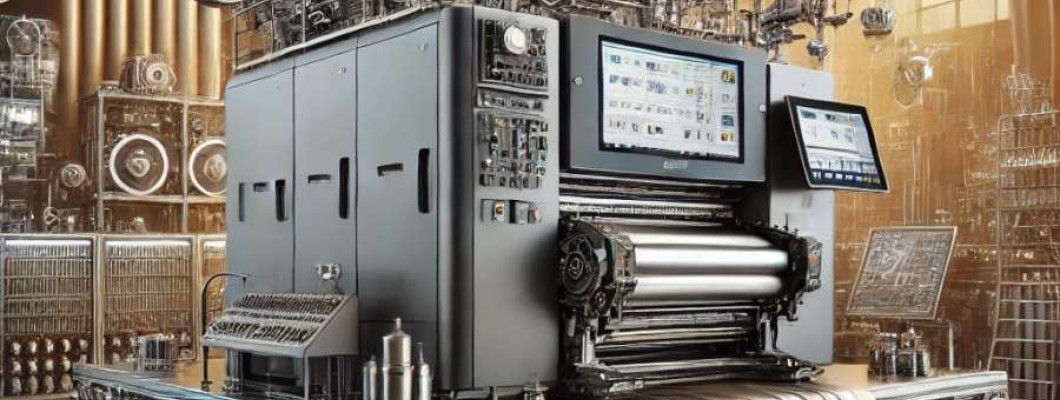
The roller system is integral to the printer's ability to handle diverse substrates. Comparisons between standard and advanced rollers reveal differences in throughput and maintenance cycles, impacting overall efficiency.
Asset Depreciation and ROI
Investing in an A4 Roll DTF Printer requires a thorough evaluation of asset depreciation and ROI over time. Given the intricate mechanics and high-accuracy components, depreciation rates could vary, influencing financial forecasting. Monitoring CAPEX against OPEX is essential to maximize ROI.
Infrastructure Integration Challenges
Integrating an A4 Roll DTF Printer into existing infrastructure can pose challenges. Factors such as rack density and thermal management need consideration to ensure seamless operation within the server room environment. These challenges underscore the importance of strategic planning in infrastructure deployment.
Scenario Analysis: Business Use-Cases
Consider three distinct scenarios: a small-scale startup, a mid-sized enterprise, and a high-volume production house. Each must navigate print density variations, substrate versatility, and operational scaling. For startups, initial CAPEX might be high, but optimized automation leads to lower labor costs. Enterprises could face integration challenges due to existing infrastructure complexities, requiring careful planning. High-volume production focuses on maximizing throughput, demanding robust investment in advanced roller systems.
Expert FAQ
Q1: What influences printhead longevity?
A1: Printhead durability is often affected by ink viscosity and environmental conditions.Q2: Can thermal management impact print quality?
A2: Yes, precise thermal regulation ensures consistent ink deposition.Q3: How does substrate flexibility affect business scalability?
A3: Greater substrate versatility allows more diversified product offerings.Q4: What are common maintenance pitfalls?
A4: Ignoring routine printhead cleaning can lead to clogs and color misalignment.Q5: How does ink chemistry affect output precision?
A5: Ink chemistry dictates droplet formation and adhesion to substrates, crucial for clarity.Strategic Verdict & Recommendation
In conclusion, the A4 Roll DTF Printer stands as a viable industrial-grade solution for scalable businesses. Its integration capabilities, precise printhead mechanics, and robust roller systems make it indispensable for those pursuing high-efficiency and precision in printing operations.