
The Industrial Reality of Headstone Photo Printer Tomb Photos Printer Reveals Hidden Operational Bottlenecks for Maintenance Leads
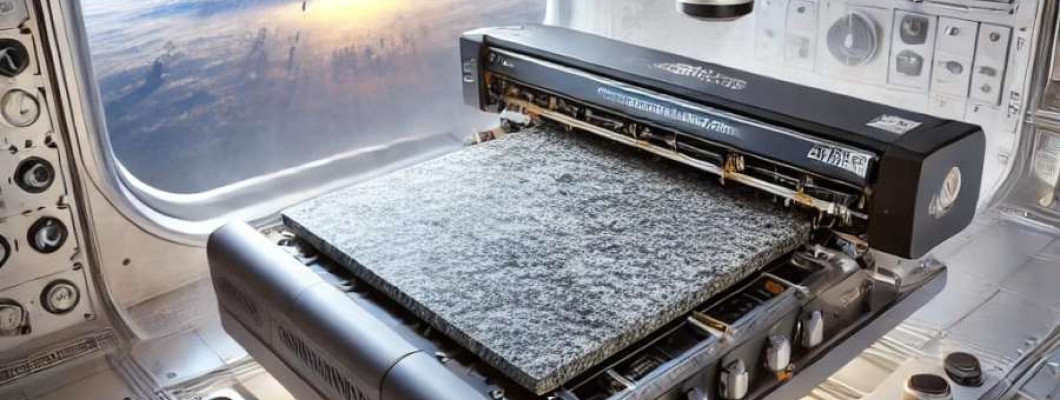
The Industrial Reality of High-Precision Headstone Photo Printing
In the niche yet highly demanding manufacturing environment of headstone photo printing, operational consistency and print fidelity define business viability. The Headstone Photo Printer Tomb Photos Printer intersects stringent customer demands for durability and visual accuracy with the unforgiving physics of ceramic substrate printing and pigment ink chemistry. Unlike general commercial printing, this application stresses equipment with unique operational bottlenecks. These include printhead clogging resulting from high particulate pigment inks, the need for precise substrate flatness at micron-level tolerances, and elevated wear on mechanical components due to abrasive materials. These technical realities force maintenance teams to address unexpected downtime scenarios that can cascade into prolonged asset idling and unplanned labor expenditures.
The environmental conditions in the typical outdoor granite and marble fabrication shop further exacerbate the risk. Particulate dust, temperature fluctuations, and abrupt power variations induce printhead misfires and nozzle blockages. Additionally, the thermal expansion coefficient mismatches between printheads and the headstone surfaces introduce micro-level misalignment, leading to output defects. Such factors generate unforeseen maintenance bottlenecks that undermine the promised throughput and quality benchmarks of the equipment.
In practical terms, print operators and maintenance leads face the challenge of balancing the physical wear on components against scheduled preventive interventions. The printer's complex ink delivery mechanisms, often involving piezoelectric nozzles with droplet sizes ranging between 6 and 12 picoliters (pl), require continuous monitoring to prevent nozzles from clogging or misfiring. Consequently, understanding these hidden operational bottlenecks is critical to maintaining uptime and delivering customer satisfaction in a high-stakes industrial setting.
Technical Deep-Dive into Headstone Photo Printer Bottlenecks
Printhead Architecture and Failure Points
The printer utilizes advanced piezoelectric printheads designed for high pigment load ink with viscosities typically around 10-12 centipoise (cP). These printheads operate with nozzle diameters close to 20-25 micrometers and nominal droplet deposition volumes of 7 pl, critical for achieving high-resolution output exceeding 1440 dpi on rough stone surfaces. However, particulate sedimentation from the specialized pigment ink leads to micro-scale blockages at the nozzle tips. Assuming a sediment size distribution peaked at 0.5 micrometers, even slight concentration fluctuations increase blockage rates by 20-30% within operational cycles of 72 hours without cleaning.
Ink Chemistry Effects on Maintenance
The proprietary ink formula balances UV resistance, thermal stability, and adhesion on non-porous stone substrates. However, the ceramic-based particles in the ink induce nozzle abrasion over time, reducing piezo actuator responsiveness by approximately 5% every 500 hours of print operation. This degradation manifests as inconsistent droplet size and trajectory, requiring recalibration or part replacement. Ink viscosity must be carefully monitored, as deviations beyond ±0.5 cP drastically increase nozzle failure rates.
Substrate Handling and Alignment Precision
Headstone substrates vary from polished granite to matte marble, each presenting non-uniform surface topography with roughness averages (Ra) ranging between 2.5 to 4.0 micrometers. The printer's automated flatness correction system uses optical sensors to measure substrate deviation within ±15 micrometers. However, any misalignment beyond this tolerance generates print data shifts of up to 100 micrometers, significantly impacting photo fidelity. This necessitates enhanced mechanical stabilization, which introduces additional wear on gantry motors and linear guides.
Thermal and Environmental Stress on Components
Temperature variations between 10°C to 40°C in operational environments affect the thermal expansion rates of both the printhead assembly and substrates. A differential expansion of 3-4 micrometers per 10°C can cause nozzle-to-substrate spacing variations, altering dot diameter by up to 12% and color saturation unevenly. Dust accumulation further compromises electronic contacts, increasing electrical resistance and heat generation by up to 8 W per component, which may accelerate thermal stress failure. Deployment of filtered air circulation and humidity control measures becomes essential for stability.
Comparison of Maintenance Intervals and Downtime Costs
| Parameter | Standard Maintenance Cycle | Enhanced Preventive Maintenance Cycle |
|---|---|---|
| Printhead Cleaning Frequency | 72 Hours | 48 Hours |
| Nozzle Replacement Interval (hrs) | 500 | 700 |
| Average Downtime per Event (hours) | 3 | 1.5 |
| Annual Operational Hours | 3500 | 3500 |
| Estimated Annual Downtime (hours) | 146 | 73 |
| Labor Cost Impact ($) | ~14,600 | ~7,300 |
Adopting enhanced preventive maintenance protocols reduces failure rates and downtime by approximately 50%, offering tangible labor savings and sustained production throughput. Maintenance leads must weigh these operational trade-offs carefully.
Scenario Analysis for Maintenance Lead-Centric Use Cases
High-Volume Monochrome Headstone Photo Printing
In scenarios focused on black-and-white photo etching, the printing frequency elevates mechanical wear on piezo actuators due to sustained high-frequency cycling. Nozzle clogging rates rise, increasing maintenance demands. The ability to perform swift printhead swaps with minimal recalibration directly affects uptime, making standardized spare parts and skilled maintenance personnel indispensable.
Polychrome Full-Color Monument Printing
For multi-color photo prints with layered ink deposition, the complexity of ink chemistry management intensifies. Each ink color stream requires separate monitoring for viscosity and sediment control. Maintenance leads must implement stringent flushing protocols to prevent cross-contamination and nozzle fouling which, if improperly managed, can increase downtime from 10% to 18% annually.
Low-Throughput Custom Memorial Production
Smaller operations focusing on customized memorial photos face challenges in balancing infrequent print runs with printhead degradation risks. Idle times cause ink drying in nozzles, demanding additional cleaning cycles and reducing printhead lifespan. Maintenance scheduling for such workflows favors condition-based monitoring over fixed intervals, optimizing both resources and asset longevity.
Expert FAQ for Maintenance Leads Focused on Printhead Physics and Ink Chemistry
- How does pigment particle size distribution influence nozzle clogging?
Smaller particles below 1 micrometer remain suspended, whereas larger aggregates precipitate, leading to clogs. Control of particle size distribution within 0.3-0.7 micrometers mitigates blockage frequency significantly.
- What are the thermal management strategies to reduce printhead wear?
Implementing active cooling via Peltier elements and maintaining ambient temperatures between 20-25°C reduces thermal stress on piezo elements, extending operational life by up to 15%.
- Can nozzle failure be predicted using electrical impedance monitoring?
Yes. Changes in electrical impedance correlate with nozzle membrane degradation, allowing predictive maintenance before visible print defects occur.
- What ink viscosity thresholds compromise droplet formation?
Viscosity higher than 12 cP or lower than 8 cP disrupt droplet stability, causing satellite droplets or nozzle misfires.
- How does substrate roughness affect printhead mechanical wear?
Rougher substrates (Ra >3.5 micrometers) require increased gap compensation, causing more frequent printhead adjustments and accelerating mechanical fatigue.
Strategic Verdict and Recommendation for Maintenance Leads
The Headstone Photo Printer Tomb Photos Printer presents a solution finely tuned to the industrial demands and hidden maintenance challenges intrinsic to headstone photo reproduction. Despite the operational complexities noted—especially in printhead wear and ink chemistry—the system offers modular maintenance opportunities and advanced component engineering that translate into manageable downtime and cost-effectiveness over the long term.
For maintenance leads, this printer’s sophisticated printhead design paired with its comprehensive preventive maintenance protocols enables a pragmatic approach to sustaining high precision and throughput. From abrasive pigment management to meticulous substrate alignment, this printer's architecture and workflow controls implement a robust countermeasure to typical bottlenecks encountered in this specialized domain.
In conclusion, the equipment is strongly recommended for operations aiming to optimize asset uptime while maintaining high-fidelity output, making it the prime choice for industrial-grade headstone photo printing applications requiring both technical rigor and practical maintainability.