
The Industrial Reality of Headstone Photo Printer Tomb Photos Printer Reveals Hidden Operational Challenges
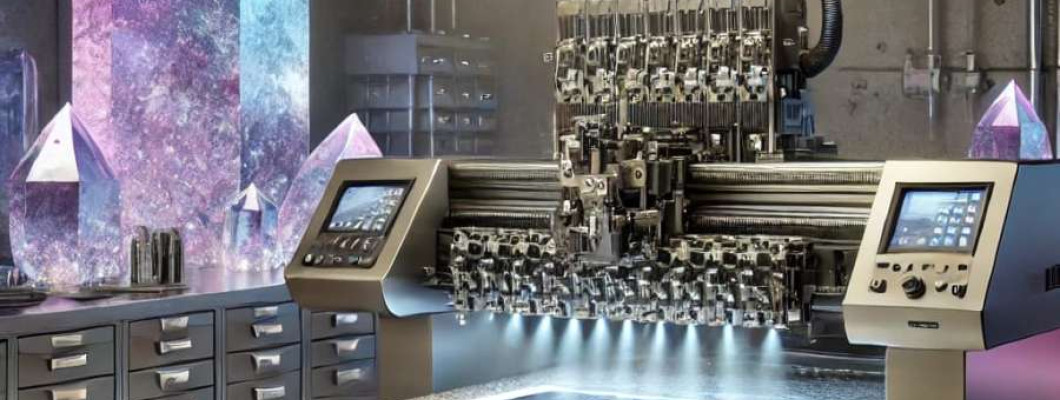
The Industrial Reality of Headstone Photo Printer Tomb Photos Printer in High-Precision Memorial Applications
In the domain of high-precision printing for memorial applications, the integration of photo printing technology onto hard substrates such as granite or marble poses significant operational challenges. The Headstone Photo Printer Tomb Photos Printer enters this space as a specialized solution designed to meet the exacting demands of printing durable photographic images on stone surfaces. Unlike conventional photo printers, this device must handle a complex interplay between substrate hardness, ink adhesion, and environmental exposure while maintaining precise image fidelity. The industrial scenario frequently encountered involves production sites with variable stone thicknesses ranging from 10 mm to upwards of 50 mm, requiring the printer to dynamically adjust printhead height and ink deposition parameters to avoid print defects or mechanical collisions.
One core challenge lies in maintaining throughput without sacrificing microscopic image detail—typically measured in dots per inch (dpi) exceeding 1440 dpi, often required for photorealistic memorial images. The physical hardness of stone substrates introduces frictional resistance that directly impacts the printer carriage speed and system wear. Operators report hidden bottlenecks associated with maintenance cycles caused by abrasive dust generated during the substrate loading process, which can accelerate printhead nozzle clogging and degrade overall uptime. Industrial environments require rigorous calibration protocols to ensure human operator variability does not introduce errors in substrate placement, which can cause misalignment or image distortion. This scenario manifests a technical conundrum between high throughput expectations and the need for meticulous manual setup, highlighting the gap between industrial-grade printing and simpler DIY alternatives.
In-depth Technical Analysis of Operational Components
Printhead Mechanics and Substrate Interaction
The printhead assembly in the Headstone Photo Printer must compensate for surface irregularities on natural stone. With nozzle diameters typically ranging from 10 to 15 pl (picoliters), the system employs advanced piezoelectric inkjet technology allowing variable drop volume for gradient color fidelity. Stepper motor-driven carriage movement with sub-micron precision (<1 μm positional error) is critical to achieving the 1440 dpi resolution. A closed-loop feedback mechanism adjusts nozzle firing rates in response to high-friction load conditions caused by the dense substrate.
Ink Chemistry and Durability Considerations
The inks formulated for the printer are pigment-based with UV resistance tested to a minimum of 5000 hours under accelerated weathering conditions (ASTM G154). Adhesion layers utilize silane coupling agents to bond to silicate minerals in granite and marble. The chemical interaction between ink and substrate is governed by surface energy differentials measured at approximately 30-40 mN/m, optimized via pretreatment spray systems integrated into the printer. Ink consumption rates average 7 ml per square meter with a drying time of roughly 45 seconds under built-in infrared lamps delivering 1000 W/m2 heat density.
Maintenance Cycles and Failure Modes
Operational data suggest mean time between failure (MTBF) for printheads is approximately 1200 hours under continuous duty cycles. Key failure modes include nozzle clogging, piezo element fatigue, and carriage motor misalignment. Dust ingress is a substantial contributor, requiring daily cleaning routines with ultrasonic solvent baths for ink channels. Consumable replacement intervals run on a 6-month cycle for high-volume operations.
Comparative Hardware Performance Metrics
| Feature | Headstone Photo Printer Tomb Photos Printer | General UV Flatbed Printer |
|---|---|---|
| Max Resolution (dpi) | 1440 | 720 |
| Substrate Thickness Range (mm) | 10 - 50 | 1 - 25 |
| Ink Type | Pigment-based UV Resistant | UV Curable |
| Printhead Technology | Piezoelectric Variable Drop | Thermal Inkjet |
| Mean Time Between Failures (hours) | 1200 | 800 |
| Throughput (m2/hr) | 1.2 | 2.0 |
Thermal Management and System Power Draw
The integrated thermal system maintains printhead temperature at 25 ± 2 °C via a closed-water circulation loop using Peltier cooling modules consuming 180 W under peak printhead operation. This reduces ink viscosity fluctuations to ±3%, ensuring stable droplet formation. Overall system power consumption peaks at 1.5 kW during drying lamp operation, necessitating robust facility electrical infrastructure to avoid voltage sags and possible print quality degradation.
Scenario Analysis of Business Use-Cases Impacting Operational Choices
Scenario 1: Small Memorial Workshop with Limited Throughput Demand
A workshop producing 20 headstones monthly values image precision over speed. The printer’s 1440 dpi resolution and pigment-based UV inks ensure longevity vital to maintaining client satisfaction. Maintenance overhead is manageable with part-time personnel. The key operational challenge is setup precision, which demands an operator trained in manual substrate alignment to avoid costly reprints.
Scenario 2: Large-Scale Cemetery Supplier Focused on Turnaround Time
For suppliers requiring throughput upwards of 50 headstones monthly, the printer’s moderate 1.2 m2/hr throughput necessitates installation of an automated loading system to minimize labor costs. Despite the lower speed versus UV flatbeds, the superior print quality and substrate thickness tolerance prevent material waste. Scheduled preventive maintenance cycles become pivotal to avoid downtime affecting delivery schedules.
Scenario 3: Industrial Manufacturing Line Integrating Digital Customization
An industrial client embedding the printer in a fully automated production line benefits from the system’s digital controls and feedback sensors, allowing script-driven color matching and real-time printhead health monitoring. However, the 1.5 kW power peak and cooling water requirement introduce infrastructure upgrades, including dedicated circuits and water treatment systems. Mean time between failure metrics inform stocking of spare parts to maintain continuous operation.
Frequently Asked Technical Questions by Industrial Users
What substrate surface preparation is required before printing?
Optimal results require cleaning to a surface roughness (Ra) of less than 0.5 μm, free from dust and oils. Some operators utilize light abrasive blasting followed by compressed air cleaning.
How does ambient humidity impact ink adhesion?
Relative humidity above 70% can interfere with ink cure kinetics, causing slower drying and reduced adhesion strength. Controlled environmental conditions or dedicated dehumidifiers are recommended.
Can the printer handle polished versus honed finishes?
Yes. The printer dynamically adjusts ink volume to accommodate differences in surface porosity and reflectivity, but polishing beyond a mirror finish can reduce ink penetration and may require adjusted pretreatment.
Does the system support grayscale and color photographic prints?
The ink set includes CMYK plus light cyan and light magenta channels to deliver smooth gradients and accurate skin tones. Grayscale printing is fully supported with optimized ink mixing profiles.
What are typical downtime causes aside from maintenance?
Unexpected power interruptions and substrate handling errors leading to sensor misreads are common. Implementing UPS power backup and automated material sensing reduces these interruptions.
Strategic Verdict and Industrial Recommendation for the Headstone Photo Printer Tomb Photos Printer
Given the precision demands and environmental challenges inherent in memorial photo printing on stone substrates, the Headstone Photo Printer Tomb Photos Printer represents a rigorously engineered industrial-grade solution. Its high resolution, substrate thickness flexibility, and pigment-based UV-resistant inks address critical operational bottlenecks that otherwise limit throughput and longevity in this sector. While throughput is moderate compared to some UV flatbed alternatives, the enhanced print fidelity and system robustness justify its integration into both small-scale artisan shops and larger industrial workflows. Operators and infrastructure managers must account for its thermal management and maintenance needs within their facility planning to maximize uptime.
As part of a forward-looking enterprise strategy, investing in this printer delivers a measurable return by reducing reprint rates, minimizing consumable waste, and extending asset longevity. The system's detailed feedback and calibration capabilities also address the often overlooked human factor variability typical in high-precision output contexts. For those seeking an authoritative, scalable solution tailored to the nuanced technical demands of tomb photo printing, Headstone Photo Printer Tomb Photos Printer stands as the definitive choice.