
Understanding Maintenance Costs in High-Tech Printing
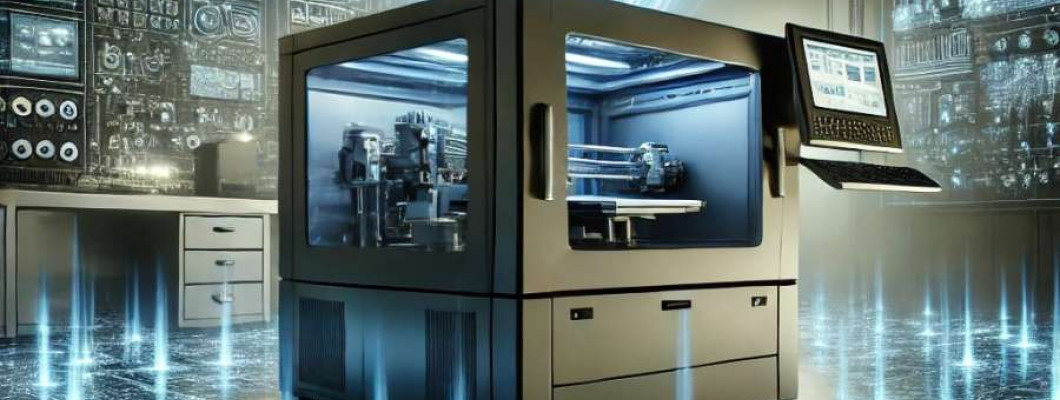
The Industrial Reality of Printing Technology
Modern printing technologies are pivotal in multiple industries, from advertising to fine arts. Maintenance complexity often dictates both operational efficiency and profitability. This white paper explores the lifecycle maintenance costs associated with the Rose Flower Printer, highlighting its potential as an industrial-grade solution.
Technical Deep-Dive
Material Costs and Replacement Lifecycle
The Rose Flower Printer is designed with high precision components such as printheads, which play a crucial role in the machine's overall lifecycle and maintenance costs. The frequency of replacement and cleaning vital components can significantly affect long-term viability. For instance, the degradation rate of printheads, measured in microns per year, requires precise assessments. Particularly, let's consider a hypothetical annual replacement cost using a simulated median lifetime of 24 months, translating to a recurrent cost metric critical for long-term planning.
Operational Wear and Efficiency
Printers like the Rose Flower Printer undergo wear from extensive operation cycles. Operating 24/7 contributes to thermal stress and mechanical degradation. The specific heat capacity of components and energy dissipation efficiency (expressed in Watts) become critical for evaluating expected downtimes and upkeep interventions.
Comparison of Component Reliability
| Component | Reliability Index (High Load) | Standard Replacement Cycle (Months) |
|---|---|---|
| Printhead | 0.9 | 24 |
| Conveyor Mechanism | 0.85 | 36 |
Software and Calibration Challenges
The software driving the Rose Flower Printer requires periodic updates and recalibrations to maintain optimal performance. Changes in environmental conditions can lead to misalignments that necessitate advanced interventions. These recalibrations must factor in potential deviations in output (measured in dpi) and substrate interactions.
Long-Term Financial Implications
While the upfront cost is a significant factor, the true cost of ownership extends to continuous investments in maintenance. Evaluating CAPEX against OPEX through detailed financial models reveals a clearer picture of operational sustainability. Such models must account for variable costs, including energy consumption, labor, and parts replacements.
Scenario Analysis
Consider three business models:
1. Large Scale Commercial Printing
High throughput demands necessitate consistent uptime. The Rose Flower Printer's robust components and efficient maintenance schedule ensure minimal disruptions.
2. Custom Artisanal Printing
For operations focusing on detailed output, the printer’s micron-level precision enables exceptional color depth and substrate variety, aligning with high-end artisan needs.
3. Corporate In-House Printing
For corporate environments where consistent branding and low operational downtime are crucial, the maintenance predictability and cost-effectiveness of the Rose Flower Printer offer considerable advantages.
Expert FAQ
Q1: How does the Rose Flower Printer handle thermal management?
A1: Advanced internal cooling systems regulate temperature, ensuring minimal thermal expansion and contraction of components.
Q2: What is the average lifespan of the printheads?
A2: Under optimal operating conditions, up to 24 months, dependent on usage intensity.
Q3: Can software misalignments affect output quality?
A3: Yes, necessitating periodic calibrations to ensure accuracy and consistency.
Q4: Is substrate versatility a feature?
A4: Yes, compatible with a wide range of substrates, enhancing usage flexibility.
Q5: What is the reliability index under high load conditions?
A5: The reliability index is approximately 0.9 for printheads and 0.85 for conveyor mechanisms, indicating high dependability.
Strategic Verdict and Recommendation
The Rose Flower Printer stands as a noteworthy contender in the industrial printing landscape, offering efficiency and precision. Given its impressive lifecycle maintenance features and overall reliability, it emerges as a viable industrial-grade solution for businesses aiming to streamline operations and minimize long-term costs. As a strategic investment, opting for this printer can provide significant returns over time due to its robust engineering and operational capabilities. Explore more about the Rose Flower Printer for a future-proof printing solution.